







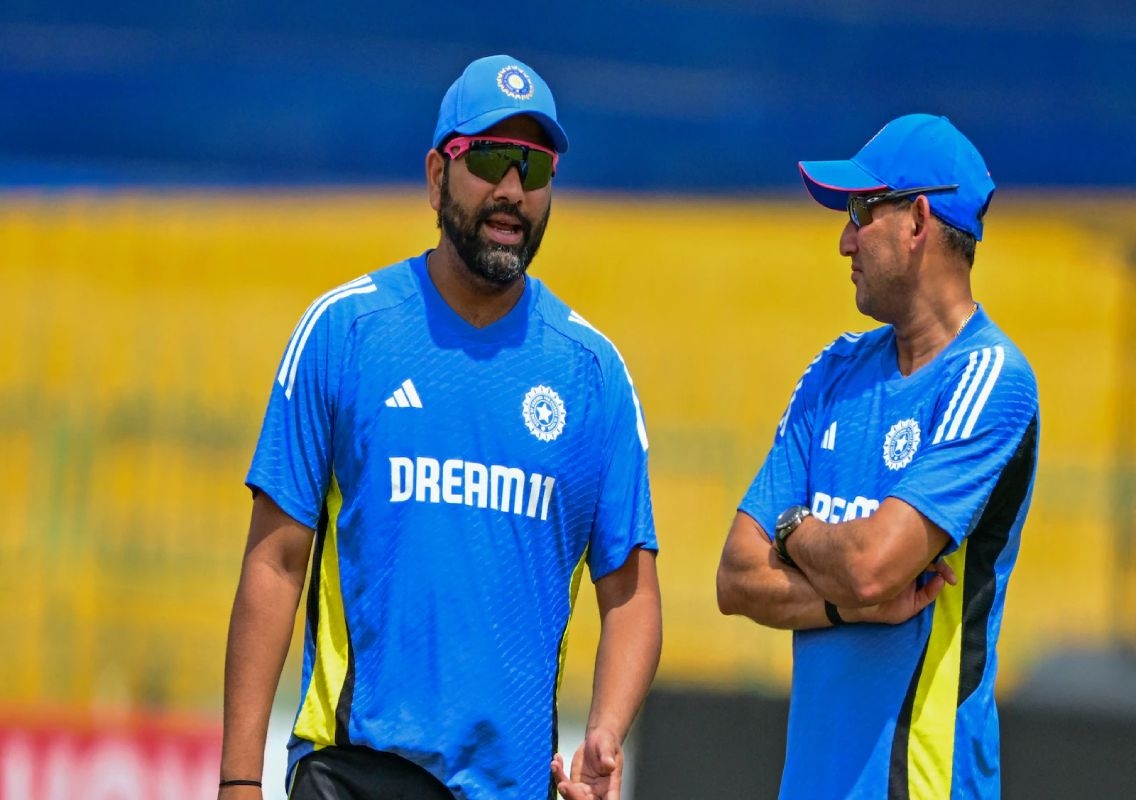


Mumbai: As India prepare for the 2027 ICC ODI World Cup, uncertainty surrounding the future of Rohit Sharma has become one of the most discussed topics in cricketing circles. Addressing the issue, former India batter Ajinkya Rahane has urged the Board of Control for Cricket in India (BCCI) and chairman of selectors Ajit Agarkar to clearly define Rohit’s role in the team’s long-term plans rather than taking a match-by-match approach.
Rohit, regarded as one of the finest ODI batters of his generation, has continued to deliver strong performances despite persistent speculation about his future. Much of the debate has centred on his age and fitness, rather than any significant decline in form.
Consistent form keeps Rohit in contention
Over the past year, Rohit has demonstrated that he remains a key contributor in the 50-over format. In his last 15 ODIs since October 2025, the opener has scored two centuries exceeding 120 runs and has crossed the 70-run mark on four occasions, underlining his consistency at the top of the order.
His recent innings of 138 at Lord’s against the England cricket team served as a timely reminder of his class. The knock came amid reports suggesting that the match could be his final ODI appearance, with selectors reportedly considering a transition towards younger players ahead of the next World Cup cycle.
However, Rohit’s commanding performance not only silenced critics but also reignited discussions about his potential role in the 2027 tournament.
Rahane stresses need for clarity
Rahane believes that the ongoing uncertainty is neither beneficial for the player nor the team. He emphasised that a cricketer of Rohit’s stature should not be evaluated on a series-by-series basis, particularly when long-term planning for a major tournament is underway.
According to Rahane, if the team management intends to include Rohit in the 2027 World Cup squad, the decision should be communicated clearly and decisively. Such clarity, he argued, would allow the veteran batter to focus on maintaining his rhythm and preparing effectively for the tournament.
He also highlighted Rohit’s immense contribution to Indian cricket over the years, stating that his experience and leadership qualities make him an invaluable asset in high-pressure competitions.
Experience vital for World Cup success
Rahane pointed out that experience often plays a decisive role in global tournaments like the ODI World Cup. Players who have participated in multiple campaigns bring composure, strategic awareness and the ability to handle pressure situations—qualities that are crucial in knockout stages.
He added that while grooming young talent is essential, completely overlooking experienced players could disrupt the balance of the team. In this context, Rohit’s presence could provide stability at the top of the batting order and guide younger players in the squad.
Rhythm and mindset key to performance
Highlighting the importance of mental clarity, Rahane said that cricket is as much about mindset as it is about skill. Uncertainty regarding selection can affect a player’s confidence and disrupt their rhythm, regardless of experience.
He stressed that providing a clear roadmap would enable Rohit to play with a free mind, which in turn could enhance his performance. Rahane also reiterated that Rohit’s quality as a batter is beyond question, and that discussions should focus on optimising his role rather than debating his place.
Selectors face crucial decision
The onus now lies on the selection committee, led by Ajit Agarkar, to strike the right balance between continuity and transition. With the 2027 World Cup still some distance away, the BCCI has time to assess options, but early clarity could help in building a settled core group.
The situation also reflects a broader challenge faced by teams worldwide—managing the transition phase while ensuring that experienced players are utilised effectively.
Conclusion
As India chart their path towards the 2027 ODI World Cup, the debate over Rohit Sharma’s future underscores the complexities of team selection in modern cricket. Ajinkya Rahane’s call for clear communication highlights the need for a structured approach that values both experience and long-term planning. Whether Rohit remains a central figure in India’s World Cup campaign will depend on the selectors’ vision, but his recent performances suggest he still has a significant role to play.