







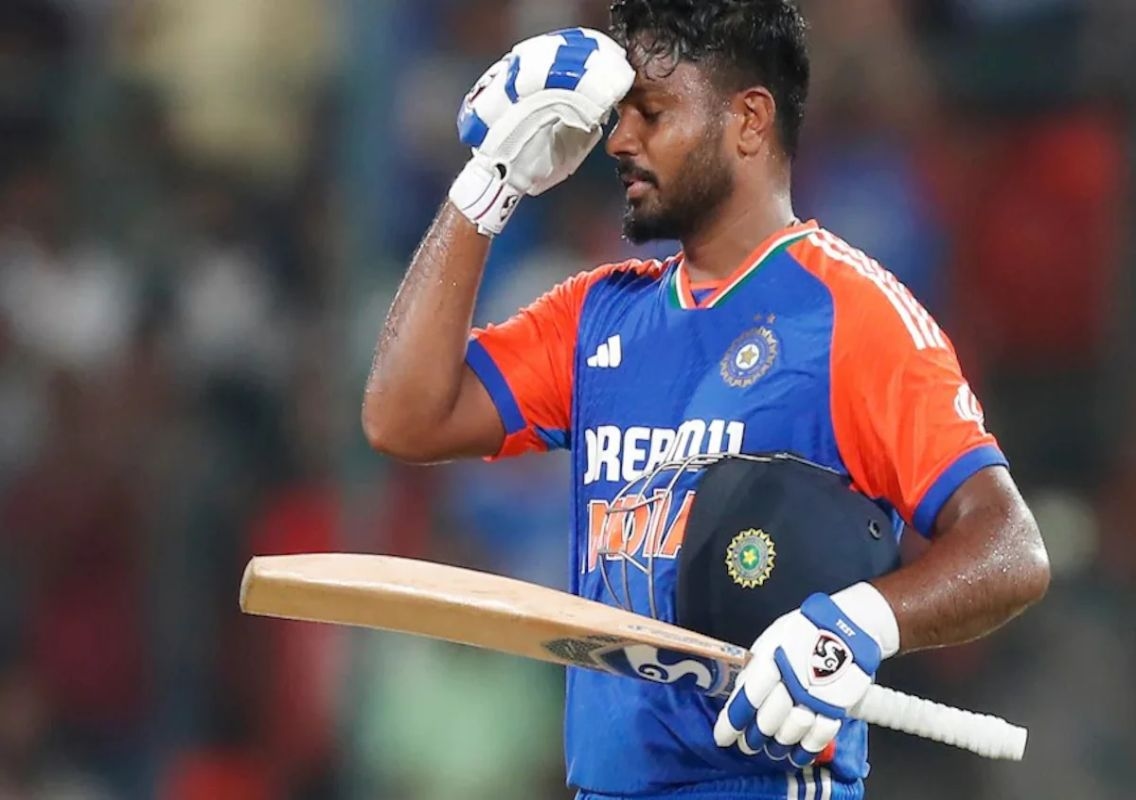


New Delhi: India are set to host Afghanistan for a multi-format series immediately after the conclusion of the Indian Premier League (IPL) 2026, but early reports suggest that wicketkeeper-batter Sanju Samson could be overlooked for the ODI squad despite his recent contributions in the shortest format.
The IPL 2026 final is scheduled for May 31 at the Narendra Modi Stadium in Ahmedabad. Within five days, India will shift focus to international cricket, beginning with a one-off Test against Afghanistan in Mullanpur from June 6. This will be followed by a three-match ODI series to be played in Dharamsala (June 14), Lucknow (June 17), and Chennai (June 20).
Selection dynamics and leadership expectations
As per reports, Shubman Gill is likely to lead the Indian side for this assignment, signalling a continued transition phase in leadership across formats. Senior pacer Jasprit Bumrah is expected to be rested to manage workload, especially with crucial international tournaments ahead.
The selection decisions for this series are being closely watched as they could indicate the team management’s strategy building up to the 2027 ODI World Cup and other global events. The Board of Control for Cricket in India is expected to announce the squads on May 19, giving players limited time to switch gears from franchise to international cricket.
Wicketkeeping race intensifies
The wicketkeeper-batter slot has emerged as one of the most competitive areas in the Indian ODI setup. KL Rahul is expected to retain his position as the first-choice wicketkeeper in ODIs, owing to his experience and consistency in the format.
Meanwhile, Ishan Kishan has reportedly surged ahead as the second-choice option. Kishan’s recent performances have strengthened his case significantly. He played a key role in India’s T20 World Cup 2026 triumph and has been in impressive form during the ongoing IPL season.
In IPL 2026, Kishan has scored 420 runs in 12 matches at an average of 35 and a strike rate of 185.84. His tally includes four half-centuries, with a highest score of 91. His aggressive batting and improved consistency have made him a strong contender for a return to the ODI side after more than two years.
Impact on Rishabh Pant and Sanju Samson
The emergence of Kishan could have implications for Rishabh Pant, who might be rested or rotated as part of workload management. However, the biggest talking point remains the potential exclusion of Samson.
Despite being part of India’s T20 World Cup-winning campaign earlier this year, Samson may find himself sidelined in the ODI format due to intense competition and team combination requirements. His inconsistent opportunities in ODIs over the years have made it difficult for him to cement a permanent place in the squad.
Selectors appear to be prioritising players who offer a balance of form, flexibility, and long-term value, especially with multiple ICC events lined up in the coming years.
Focus on long-term planning
The selection committee of the Board of Control for Cricket in India (BCCI) is reportedly aligning its decisions with long-term goals, including the World Test Championship cycle and the 2027 ODI World Cup. There is also an increasing emphasis on identifying a core group for the 2028 T20 World Cup.
The Afghanistan series, though relatively short, is expected to serve as an important platform for testing combinations and bench strength. With senior players being rested and younger talents being given opportunities, the team composition could reflect a strategic shift.
Conclusion
While no official announcement has been made yet, the reports surrounding Samson’s possible exclusion underline the intense competition within India’s cricketing ranks. As the team transitions towards a new core across formats, consistent performance and adaptability remain key factors for selection. The upcoming Afghanistan series could thus provide valuable insights into India’s evolving team strategy.