







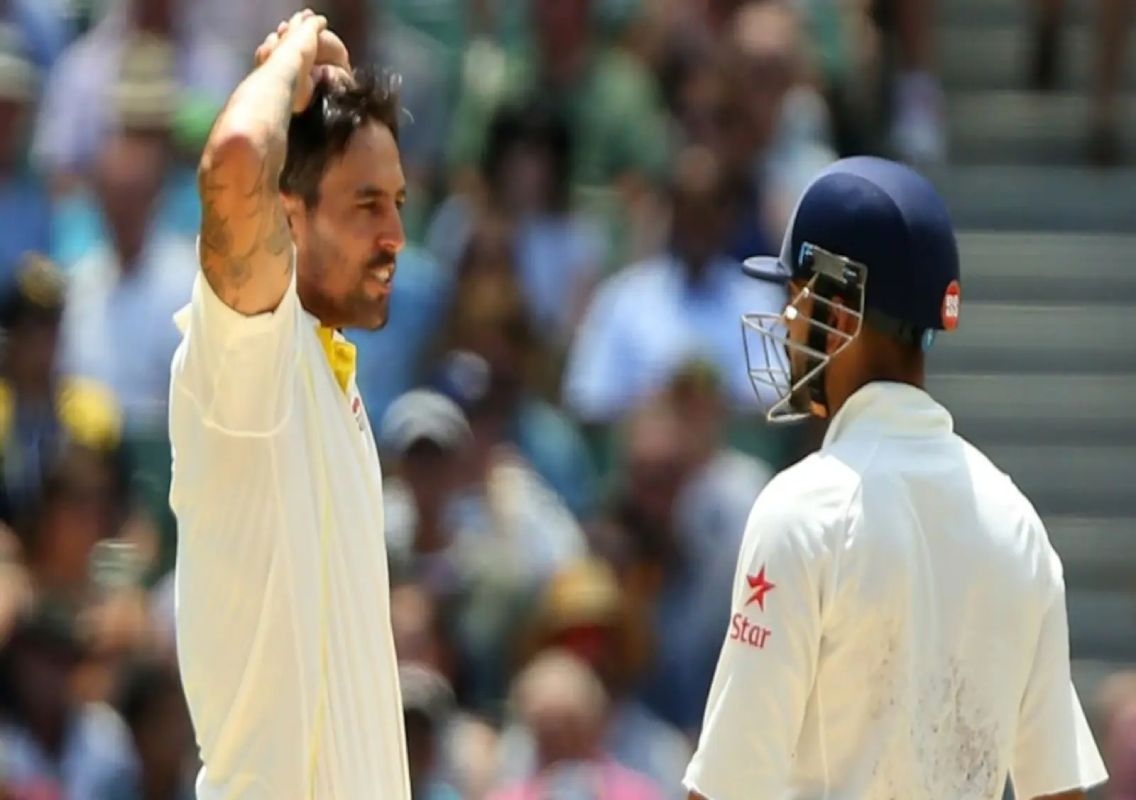


Melbourne: Former India head coach Ravi Shastri has revealed a rare behind-the-scenes moment when he had to step in and pull Virat Kohli away from a potential on-field confrontation during the 2014 Border-Gavaskar Trophy in Australia. The incident, which unfolded in Melbourne, remains the only time Shastri intervened to calm Kohli during their highly successful partnership.
Kohli and Shastri formed one of India’s most formidable captain-coach duos, leading the team to the top of the ICC Test rankings for five consecutive years between 2016 and 2021. Their tenure also saw India achieve historic milestones, including back-to-back Test series victories in Australia.
Heated exchanges with Mitchell Johnson
The 2014 Border-Gavaskar Trophy is widely remembered for Kohli’s aggressive batting and intense on-field battles, particularly with Australian pacer Mitchell Johnson. The rivalry added spice to an already competitive series and showcased Kohli’s fearless approach against one of the fastest bowlers of that era.
Recalling the incident during a podcast, Shastri shared how tensions escalated between Kohli and Johnson during the Melbourne Test.
“This was Melbourne. He and Mitch were constantly having a go. The first ball he faced hit him on the head, and from there it was intense,” Shastri said.
The confrontation reached a point where Shastri felt it necessary to intervene, especially as emotions continued to run high even off the field.
The moment Shastri stepped in
Shastri described the exact moment when he had to physically pull Kohli aside to prevent the situation from escalating further.
“As he entered the dressing room, he was still looking at Mitch. I had to catch him and say, ‘Come here, focus on your batting,’” Shastri recalled.
The former coach emphasised that such instances were rare, highlighting Kohli’s ability to channel aggression productively for the team’s benefit. However, the Melbourne episode stood out due to the intensity of the contest.
Kohli’s defining tour despite series loss
The 2014 tour of Australia proved to be a turning point in Kohli’s Test career. Despite India losing the four-match series 2-0, Kohli emerged as the standout performer with the bat.
He scored over 600 runs in the series, including four centuries and a half-century. His twin hundreds in Adelaide remain among the most memorable innings of his career, showcasing both his technical brilliance and mental toughness.
Kohli also took over the captaincy during the final Test in Sydney after MS Dhoni announced his retirement from Test cricket following the Boxing Day Test. The Sydney match ended in a draw, confirming Australia’s series victory.
Rise of a future leader
The series not only cemented Kohli’s reputation as one of the world’s leading batters but also marked the beginning of his journey as India’s Test captain. His aggressive leadership style, combined with consistent performances, laid the foundation for India’s dominance in the longest format over the next several years.
Under Kohli and Shastri’s leadership, India achieved significant milestones, including consecutive Test series wins in Australia — a feat previously considered extremely challenging.
Aggression as a defining trait
Kohli’s fiery on-field persona has always been a key aspect of his game. His willingness to take on opponents, whether through words or performance, has often inspired teammates and energised fans.
Shastri’s recollection of the Melbourne incident highlights the fine balance between aggression and discipline required at the highest level. While Kohli’s intensity has been instrumental in his success, moments like these underline the importance of maintaining focus in high-pressure situations.
Legacy of the Kohli-Shastri era
The partnership between Kohli and Shastri is regarded as one of the most successful phases in Indian cricket history. Their emphasis on fitness, fast bowling, and overseas success transformed the team into a formidable force across conditions.
India’s consistent performances during this period, including maintaining the No. 1 Test ranking for five years, reflect the impact of their leadership.
Conclusion
Ravi Shastri’s revelation offers a rare glimpse into the emotional intensity that defined India’s 2014 tour of Australia and the early days of Virat Kohli’s leadership journey. While the Melbourne incident was a brief moment of tension, it also symbolised Kohli’s passion and commitment to the game.
As Indian cricket continues to evolve, such stories serve as reminders of the determination and fire that have driven some of the team’s greatest achievements. Kohli’s journey from a fiery young batter to one of the game’s modern greats remains an inspiration for aspiring cricketers across the country.