







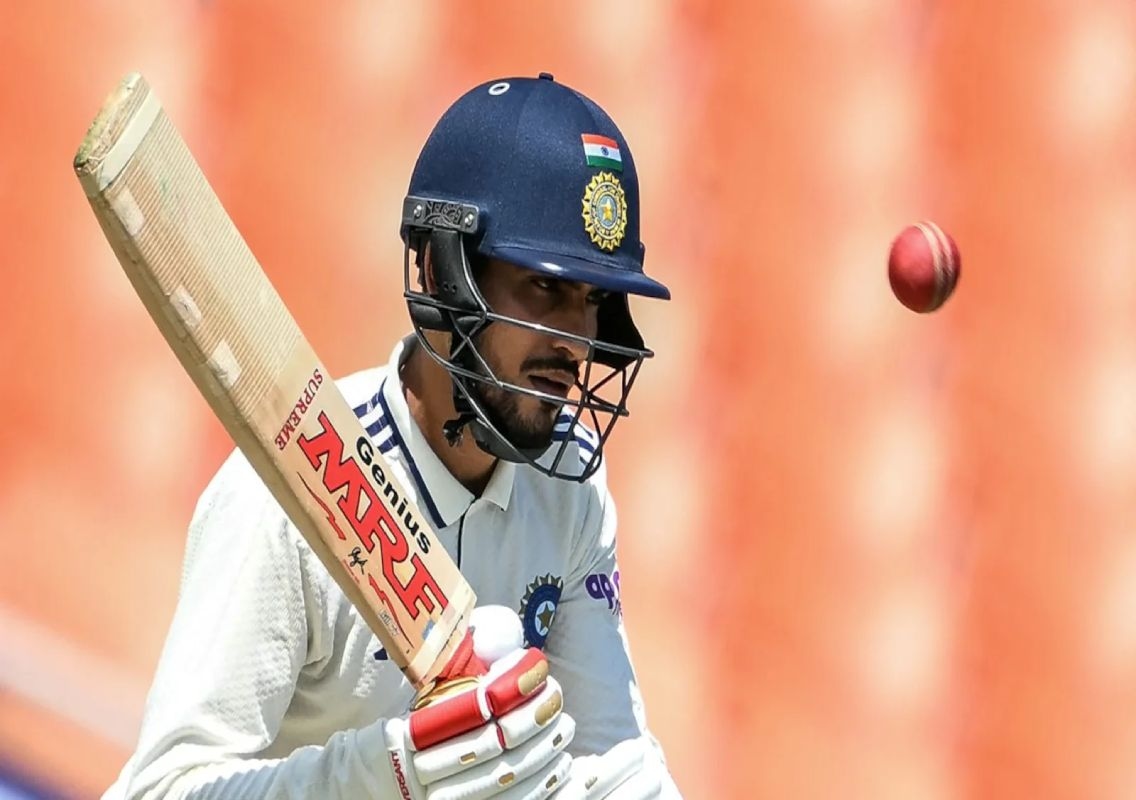


Mullanpur: India captain Shubman Gill etched his name into cricketing history with a remarkable century against Afghanistan in the one-off Test, achieving a milestone that places him alongside the legendary Don Bradman.
Gill’s composed knock of 126 on Day 2 not only anchored India’s dominant first innings but also saw him complete 1,000 runs as a Test captain at an astonishing average of 82.76. In doing so, he became only the second captain in the history of Test cricket to maintain such an extraordinary average after reaching the milestone, with Bradman being the only player ahead of him.
Historic milestone as captain
Gill’s achievement stands out in the annals of cricket. While 101 captains have scored 1,000 or more runs in Test cricket, none apart from Bradman have averaged above 70 at that mark. Gill’s current average of 82.76 places him firmly in elite company.
Former Sri Lanka captain Kumar Sangakkara follows in third place with an average of 69.6, highlighting just how rare Gill’s accomplishment is.
Adding to his growing list of records, Gill also became the second-fastest Indian captain to reach 1,000 Test runs, achieving the feat in just 15 innings. Only Sunil Gavaskar reached the landmark quicker, doing so in 14 innings.
Commanding innings leads India’s dominance
Gill’s century was the cornerstone of India’s imposing first-innings total of 564/8 declared. Resuming Day 2 at 368/3, India added 196 runs before the declaration, with Gill extending his overnight score of 103 to 126.
He displayed excellent control and shot selection, striking 15 boundaries and a six during his 177-ball innings. His leadership from the front ensured India capitalised on a strong position and put Afghanistan under immense pressure.
Significant contributions also came from Rishabh Pant, who scored 81, and Washington Sundar, who remained unbeaten on 52. On Day 1, KL Rahul and Sai Sudharsan had already laid a solid foundation with scores of 100 and 81 respectively.
Afghanistan struggle in reply
In response, Afghanistan found it difficult to cope with India’s disciplined bowling attack. By stumps on Day 2, they were reduced to 113/5, trailing by a massive 451 runs.
Debutant Manav Suthar impressed with the ball, picking up three wickets, including key dismissals of Rahmanullah Gurbaz and Afsar Zazai. Prasidh Krishna provided strong support with two wickets.
Afghanistan batter Rahmat Shah remained unbeaten on 43, offering some resistance as the visitors attempted to steady their innings.
Bowling highlights and match situation
Afghanistan pacer Mohammad Saleem was the standout performer with the ball for his side, claiming six wickets despite India’s batting dominance.
India’s commanding lead has put them firmly in control of the match, with the possibility of enforcing the follow-on looming large. The hosts will look to wrap up Afghanistan’s innings quickly on Day 3 and push for an innings victory.
Significance of Gill’s achievement
Gill’s record is not just about numbers but also about the consistency and maturity he has shown as a young captain. Achieving such a milestone early in his leadership career reflects his ability to balance responsibility with performance.
His rise also signals a new era in Indian cricket, where young leaders are stepping up and delivering at the highest level. With major ICC tournaments on the horizon, Gill’s form as both a batter and captain will be crucial.
Conclusion
Shubman Gill’s historic feat places him among the greats of the game, underlining his immense potential and growing stature in international cricket. As India tighten their grip on the Test against Afghanistan, Gill’s innings will be remembered not just for its impact on the match but for its place in cricket history. If he continues on this trajectory, more records and milestones are likely to follow.