









Global cricket is entering its most ambitious phase of growth as the 2026 T20 World Cup expands to twenty teams across India and Sri Lanka. The tournament arrives without familiar veterans and places pressure on structures, rankings, and adaptability under demanding Asian conditions.
Below, this article will explain how the format works, why every group match matters and which teams’ storylines and conditions are set to define the tournament. The focus stays on practical context for Indian fans following results, venues, and evolving rivalries from start to finish.
Rules and Format: How the Road to the Final is Built
The Group System and the Decisive Super 8s Stage
The 2026 T20 World Cup begins with twenty teams divided into four groups of five playing from February to March. Each team faces four opponents and only the top two advance, leaving no safety net for nations check betting at https://mostbet-1.com/en/app/ early.
This unforgiving structure means one slip against a newcomer can unravel an entire campaign in the Cricket World Cup context. In 2024 Pakistan and New Zealand learned this harsh lesson as surprise defeats destroyed their net run rate and ended hopes before the Super 8s even began.
Understanding this format is essential, yet it only explains part of the story. The deeper uncertainty now sits within team squads themselves as nations rebuild leadership cores, test new combinations, and search for players capable of surviving this pressure-heavy structure.
Team India Without Legends: The Start of a New Era
Who Will Replace Kohli and Sharma as Leaders?
India hosts the T20 World Cup without Virat Kohli and Rohit Sharma for the first time in 15 years, placing leadership pressure on a new generation. A home tournament amplifies scrutiny especially after the official tournament schedule confirmation clarified timing and venue distribution.
Suryakumar Yadav stands out as a potential captain within the India T20 World Cup squad, having won roughly 70% of matches when leading while striking above one hundred sixty-five. Alongside him Shubman Gill and Yashasvi Jaiswal bring high strike rates but limited experience handling prolonged pressure.
The question is whether raw confidence can replace calm authority during knockout tension at home venues. While India searches for new heroes, their traditional rivals are also reshaping squads, which means leadership stability may decide who survives this evolving tournament.
The Main Contenders: From Stable Australia to Bold Afghanistan
Who Bookmakers and Experts Consider the Favorites
Bookmakers and analysts view Australia, England, and South Africa as leading contenders based on form and rankings entering early 2026. Australia sit near the top while England remain close behind as regional cricket tensions in Asia add subtle pressure that can affect preparation and focus.
Afghanistan also received growing respect from experts because subcontinental pitches amplify their greatest strength, spin bowling. Ranked around 10th, they have beaten major sides in Bangladesh vs West Indies in Asia and regularly restrict powerful lineups, turning matches through control rather than raw pace alone under pressure.
However, these projections are never universal guarantees since performance shifts sharply by venue. Teams dominant on flatter Indian surfaces may struggle in Sri Lanka where patience matters more, meaning the identity of favorites changes with every city on the schedule.
India vs. Sri Lanka: The Difference in Conditions and Pitches
How Climate and Pitch Conditions Will Shift Team Tactics
Hosting the World Cup across India and Sri Lanka forces teams to rethink rigid strategies tied closely to the India cricket schedule. Indian venues like Mumbai usually produce fast-scoring games with first innings averages near 178 rewarding power hitters and seamers who exploit bounce and evening dew.
That attacking approach changes quickly once matches move to Sri Lanka where Colombo averages closer to 142. Slower surfaces bring spinners into play demanding patience, smart rotation, and lineups built to control tempo rather than chase explosive totals blindly.
Because squads must switch plans every few days, versatility becomes decisive across this schedule. Geography shapes more than tactics, as Bangladesh vs England duties also introduce the tournament’s loudest political intrigue that quietly influences venues, travel, and emotional dynamics throughout the competition.
The Pakistan Factor: Why the Team Plays Only in Sri Lanka
How Logistics Constraints Will Affect the Squad’s Chances
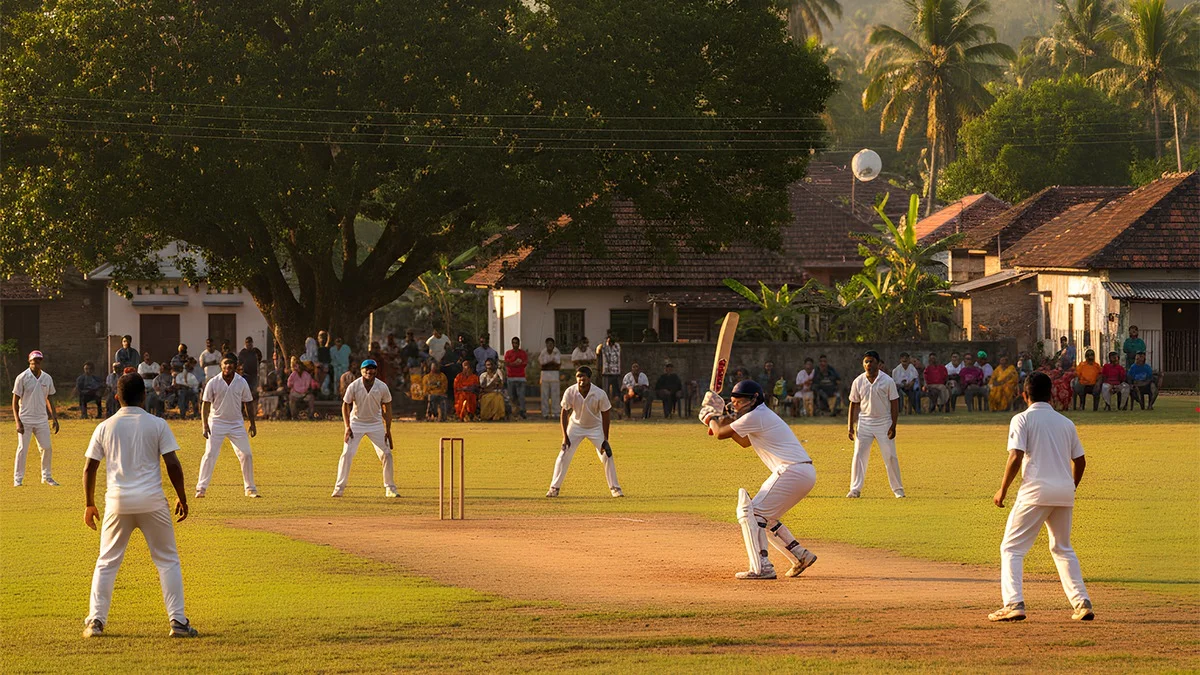
Pakistan will play every 2026 World Cup match in Sri Lanka following a BCCI-PCB agreement shaped by diplomatic realities impacting India’s matches across the calendar. Centralizing fixtures reduces travel fatigue and recovery strain, yet removes the charged atmosphere Pakistani players often experience inside packed Indian stadiums.
Neutral venues have never softened India-Pakistan contests as shown in recent global events where intensity stayed high despite location. Playing solely in Sri Lanka offers routine preparation but sacrifices emotional lift that traveling supporters sometimes provide during pressure moments.
Whether the balance favors Pakistan remains uncertain but logistics alone rarely decide outcomes. Broader debates around preparation depth echo themes from a recent SWOT analysis of India’s T20 World Cup squad, showing how planning and experience often outweigh travel advantages.
New Faces: Italy’s Debut and USA’s Ambitions
Can Newcomers Surprise the Giants on Their Home Turf?
Italy and the USA symbolize how far T20 cricket has spread beyond traditional centers. Italy qualified through Europe by beating Scotland, a rise supported by moments like the Italy-Netherlands World Cup qualifier, while the USA built confidence after hosting the 2024 World Cup.
Professional experience explains why these squads cannot be dismissed casually ahead of India vs USA encounters. Italy fields players from English county and Australian domestic cricket while the USA relies on talent sharpened in Major League Cricket against elite international opponents under sustained tournament pressure.
However, dismissing newcomers as easy wins ignores recent history and structural change. Upsets in 2024 showed preparation narrows gaps and as more nations invest questions grow about balance, quality, and how far expansion should go within modern international tournament structures.
Counter-argument Block: Does the Large Number of Teams Hurt Quality?
Critics argue that expanding the World Cup to 20 teams dilutes quality, producing predictable one-sided matches early like some past India vs Pakistan meetings. This view assumes gaps remain wide yet modern T20 cricket rarely follows scripts where a few overs can flip expectations instantly.
The format itself resists dominance because T20 rewards moments not depth. European and American programs now field professionals shaped by elite leagues, meaning emerging nations arrive prepared, disciplined, and capable of punishing complacency rather than surviving politely on big stages consistently.
Recent tournaments confirm this shift as 2024 delivered exits for established sides after single losses. More teams increase volatility forcing favorites to peak earlier which raises tension, Bangladesh vs Nepal, and overall competitive quality across the schedule for global audiences watching closely now.
Technology and Data as Silent Match Influencers
Technology influences matches long before the first ball is bowled, shaping preparation and in-game decisions for India vs Netherlands matchups. The table below compares how teams that effectively use data differ from those that rely mainly on instinct, especially under high-pressure moments in modern T20 tournaments.
| Aspect | Data-Driven Teams | Reactive Teams |
| Preparation approach | Build plans using opposition data-matchup trends and venue-specific insights gathered before the tournament begins | Depend mainly on recent results, intuition, and generic strategies without deep opponent profiling |
| In-game adjustments | Use live data to change fields, bowling lengths, and batting orders quickly in pressure situations | Make slower changes based on visible momentum shifts often after damage is already done |
| Knockout stage impact | Maintain clarity and composure with predefined decision pathways during tight matches | Struggle to adapt when pressure rises and margins shrink late in crucial games |
Conclusion
Based on squad depth, conditions, and scheduling India holds the clearest path to the 2026 title. Familiarity with venue rotation, flexibility, and a balanced calendar offer advantages others must earn while adapting quickly across two countries under constant competitive pressure.
The deeper question sits with leadership rather than talent when reviewing India upcoming matches. Without veteran anchors India gains freedom yet loses calm authority, a balance that will be tested repeatedly as expectations build across the tournament.
FAQs
Where will the final be held?
The final is scheduled to take place at the Narendra Modi Stadium in Ahmedabad, India. If Pakistan qualifies for the final, contingency planning allows the match to be moved to Colombo to comply with cross-board hosting agreements.
How to qualify for the playoffs?
Teams must finish in the top two of their initial five-team group to advance beyond the first phase. Those eight qualifiers then compete again, with only the top two from each Super 8s group reaching the semi-finals.
Why is Italy on the list?
Italy qualified by earning one of Europe’s allocated spots through a competitive regional pathway. Their campaign included consistent performances against established associate nations, demonstrating long-term development rather than a single isolated result.
Will Virat Kohli and Rohit Sharma play?
No, both players will not participate in the 2026 tournament. They officially retired from T20 international cricket after India’s 2024 title win, prompting a full leadership and squad transition ahead of the home World Cup.
Who is the favorite according to experts?
India is widely considered the leading favorite by analysts and bookmakers. Home conditions, squad depth, and scheduling advantages combine to give them a stronger probability than rivals like Australia, England, South Africa, or Afghanistan.