







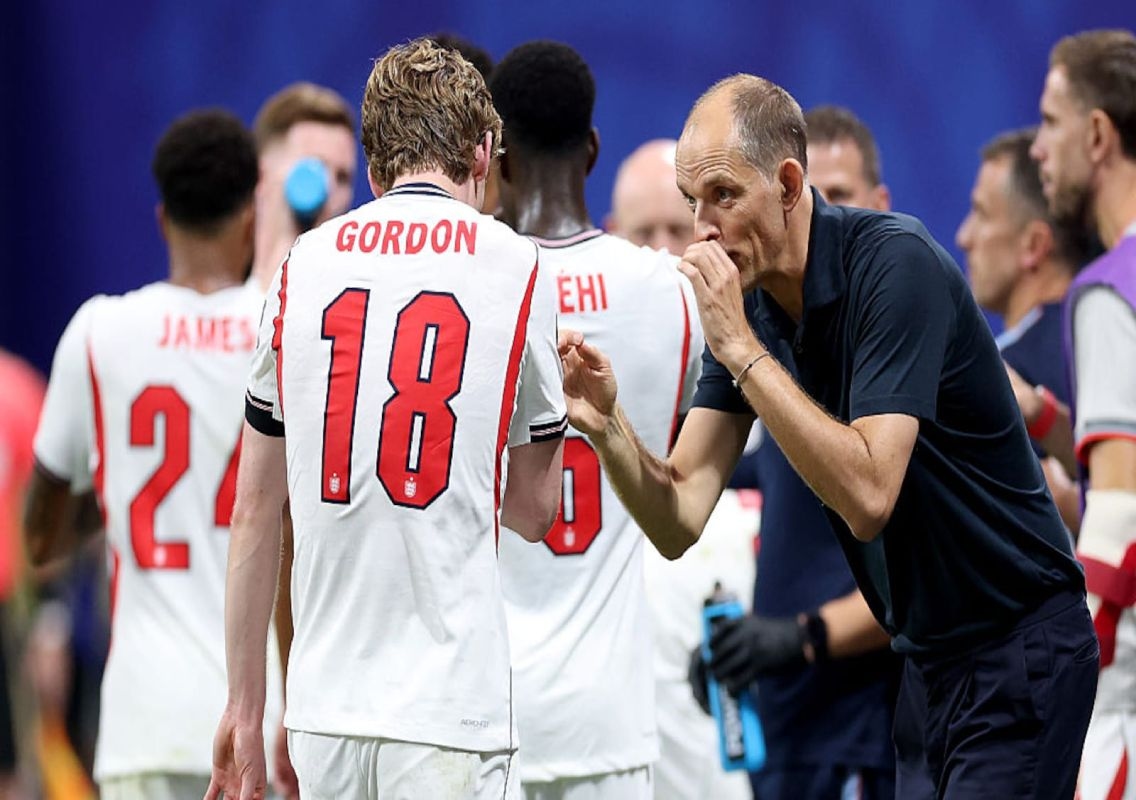


Atlanta: England’s dream of reaching the final of the 2026 FIFA World Cup came crashing down in dramatic fashion as a tactical misstep by head coach Thomas Tuchel allowed Argentina to stage a stunning late comeback in Atlanta.
The Three Lions were in control for large parts of the contest and even took the lead in the second half. However, a series of ultra-defensive decisions in the closing stages proved costly, as Argentina scored twice late on to secure a 2-1 victory and a place in the final.
Cagey first half sets the tone
The opening 45 minutes were marked by intense physical battles and cautious gameplay from both sides. Clear-cut chances were rare, reflected in the extremely low expected goals (xG), with England at 0.05 and Argentina at 0.03.
Both teams prioritised defensive discipline, with neither willing to take unnecessary risks in such a high-stakes encounter.
Gordon gives England the breakthrough
The match came alive in the 55th minute when Anthony Gordon broke the deadlock. Meeting a precise cross from Morgan Rogers, Gordon calmly finished to give England a 1-0 lead.
At that stage, England appeared to have executed their game plan perfectly. Argentina looked uncertain, particularly with defenders Lisandro Martinez and Cristian Romero both carrying yellow cards, limiting their ability to defend aggressively.
Tuchel’s defensive shift proves decisive
Rather than exploiting Argentina’s vulnerabilities, England retreated into a defensive shell. The turning point came in the 72nd minute when Tuchel substituted Gordon for Ezri Konsa, switching to a back-five system.
This move signalled a clear shift in intent—from controlling the game to merely protecting the lead.
Tuchel further reinforced this approach in the 82nd minute by withdrawing Reece James and Declan Rice, replacing them with Dan Burn and Nico O’Reilly.
The substitutions effectively removed England’s attacking threat and midfield control, inviting sustained pressure from Argentina.
Messi punishes England’s retreat
Argentina capitalised on England’s passive approach, with Lionel Messi orchestrating the comeback.
In the 85th minute, Messi’s short corner found Enzo Fernandez unmarked outside the box. With ample time and space, Fernandez unleashed a powerful strike to level the score.
The momentum had completely shifted. Deep into stoppage time, Messi surged down the right flank and delivered a precise cross into the six-yard box. John Stones failed to track his man, allowing Lautaro Martinez to score the decisive goal.
According to Opta data, England had just 12 per cent possession from the time they took the lead to the final whistle, highlighting the extent of their defensive retreat.
Players react to heartbreaking defeat
England captain Harry Kane summed up the team’s disappointment, admitting that trying to hold onto a narrow lead at this level proved insufficient.
His remarks reflected a broader sense of frustration within the squad, as a match that seemed under control slipped away in a matter of minutes.
Conclusion
England’s semi-final defeat will be remembered as a lesson in the dangers of excessive caution. While their defensive strategy initially appeared pragmatic, it ultimately handed control to a world-class Argentine side led by Lionel Messi.
As Argentina move on to face Spain in the final, England are left to reflect on what might have been. A place in the World Cup final was within reach, but tactical conservatism at a crucial juncture proved to be their undoing.