







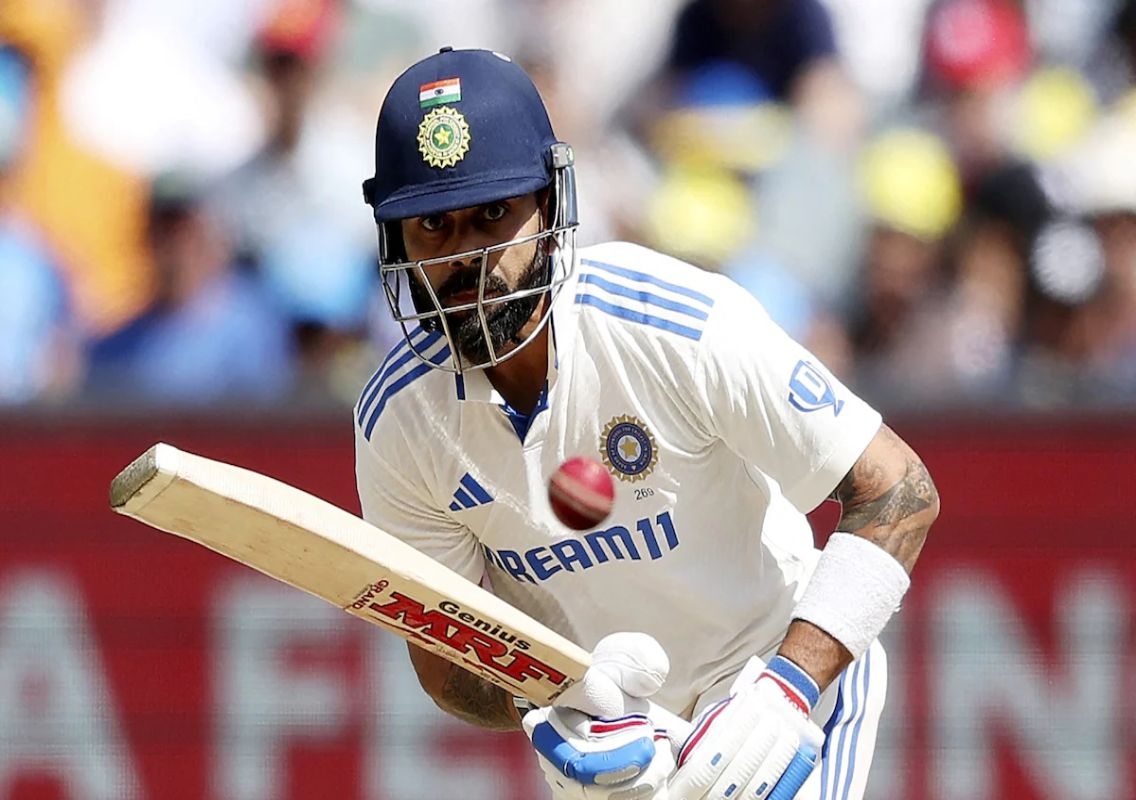


Bengaluru: Virat Kohli has finally opened up about his decision to step down as India’s Test captain in 2022, revealing that the intense mental and emotional demands of leadership left him “completely spent” by the end of his tenure.
Speaking at the third edition of the RCB Innovation Lab’s Indian Sports Summit in Bengaluru, Kohli reflected on the pressures he faced while leading the Indian team across formats. His candid remarks offered fresh insight into a decision that had surprised fans and marked the end of one of India’s most successful captaincy eras in Test cricket.
A successful yet demanding captaincy tenure
Kohli took over India’s Test captaincy in 2014 and went on to become one of the most successful leaders in the format. Under his leadership, India registered 40 wins in 68 matches, including historic overseas series victories and a sustained run as one of the top-ranked Test sides in the world.
His tenure was defined by an aggressive brand of cricket, a strong emphasis on fitness, and the development of a formidable fast-bowling unit. Kohli’s passion and intensity set new standards within the team, helping India compete consistently at the highest level.
However, the responsibility of being both the batting mainstay and the team’s leader gradually began to take a toll.
‘I was completely consumed by it’
During the interaction, Kohli admitted that he did not initially realise how deeply captaincy responsibilities were affecting him.
“I ended up being in a place where I became the focal point of our batting unit and leadership. I didn’t realise how much load both those things would present in my daily life,” he said.
Driven by a desire to keep Indian cricket at the top, Kohli pushed himself relentlessly. Over time, this approach led to mental fatigue and emotional exhaustion.
“By the time I left captaincy, I was completely spent. I was completely consumed by it. It was gruesome. It was difficult to manage expectations,” he added.
Kohli also highlighted that maintaining a secure and confident dressing room environment was one of his primary goals as captain, something he worked on closely with then head coach Ravi Shastri and the support staff.
Form dip and mounting pressure
Kohli’s decision came during a challenging phase in his career, when his batting form saw a dip across formats. He had already stepped down as India’s T20I captain in 2021 and was later removed as ODI skipper, making the Test captaincy exit the final step in a significant transition period.
He acknowledged that when individual form declines, the dual responsibility of leading the team and delivering with the bat becomes increasingly difficult.
“When the form doesn’t quite stay for long, both those responsibilities start weighing on you. So, it was tough,” Kohli explained.
The combination of expectations, workload and form contributed to his decision to step away and focus on rediscovering his rhythm as a player.
Support from Dravid and Rathour proved crucial
Following his resignation, Kohli went through what he described as a “distressing phase”. However, he credited India head coach Rahul Dravid and batting coach Vikram Rathour for helping him regain clarity and joy in the game.
“Only when I left captaincy, I opened up and shared a lot more with Rahul Bhai and Vikram Rathour,” he said.
Their support helped Kohli reconnect with his game, leading to a strong run in Test cricket in 2023. He emphasised that their caring and nurturing approach played a key role in his revival.
“They made me feel like I wanted to play for them, to perform and grind it out. They made me realise what I have done so far,” Kohli noted.
Conclusion
Virat Kohli’s revelation sheds light on the often unseen mental challenges of leadership in international cricket. While his captaincy record remains among the best in Indian Test history, his decision to step down underscores the importance of balance and mental well-being in elite sport.
By prioritising his longevity and rediscovering his passion for the game, Kohli has continued to contribute significantly as a senior player. His journey serves as a reminder that even the most driven athletes must occasionally step back to move forward stronger.