







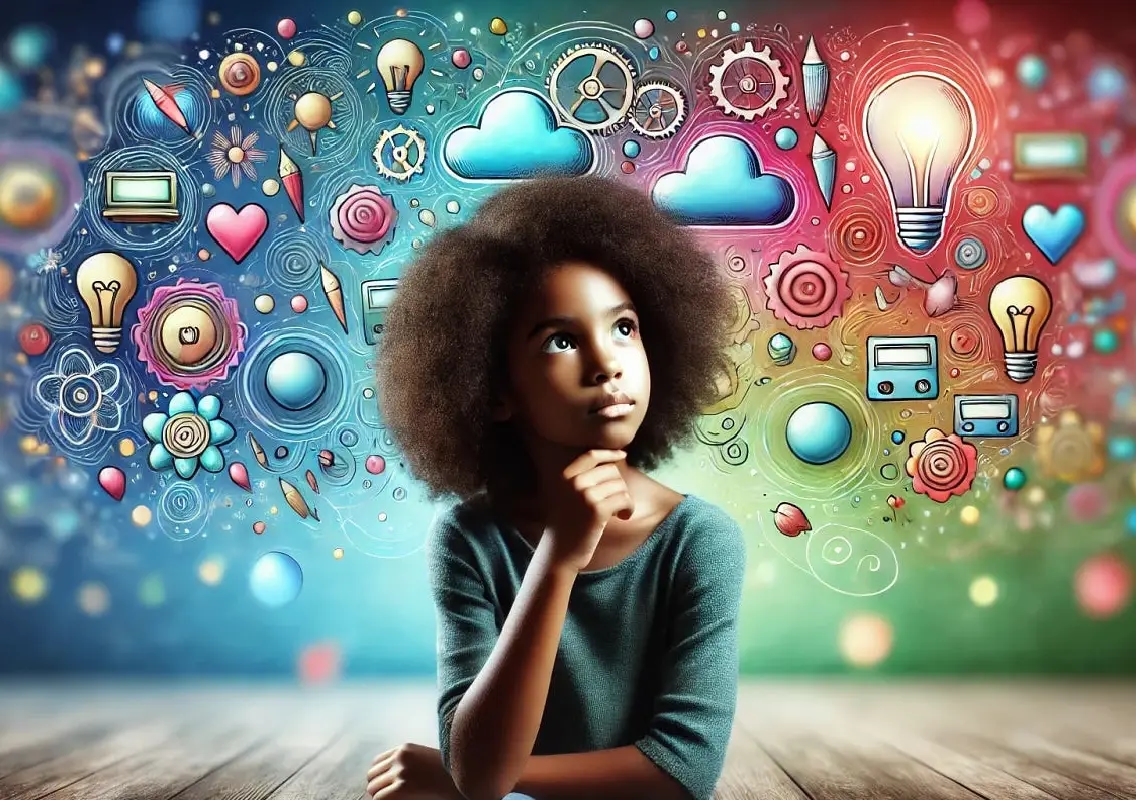


As artificial intelligence rapidly transforms the global job market, experts say education systems must rethink how children are prepared for the future—focusing less on memorisation and more on adaptability and critical thinking.
The rise of tools powered by OpenAI and other tech firms has already begun reshaping industries, prompting fresh debate on what skills will matter most for the next generation.
Beyond memorisation to real-world skills
Educators argue that traditional learning models—centred on rote memorisation—may no longer be sufficient in an AI-driven world. Instead, skills such as problem-solving, creativity, communication, and emotional intelligence are becoming increasingly valuable.
Experts highlight that while AI can perform many routine tasks, human abilities like judgment and collaboration remain essential.
Teaching children to work with AI
Rather than avoiding AI, schools are being encouraged to integrate it into learning. Teaching children how to use AI tools responsibly and effectively could become as fundamental as basic computer literacy.
Understanding how AI works, its limitations, and ethical concerns is also seen as crucial for future readiness.
Uncertainty in future job roles
One of the biggest challenges is unpredictability. Many jobs that today’s children will eventually hold may not yet exist, while some current roles could become obsolete.
This uncertainty is pushing educators to focus on “learning how to learn” rather than training for specific careers.
Role of parents and schools
Parents and schools both play a key role in shaping how children engage with technology. Encouraging curiosity, independent thinking, and balanced tech use can help children adapt to a fast-changing environment.
Experts also stress the importance of combining digital learning with real-world experiences to build well-rounded skills.
Preparing for a changing world
The conversation around AI and education is no longer theoretical—it is already influencing classrooms and career pathways.
As technology continues to evolve, the focus is shifting towards preparing children not just for jobs, but for lifelong learning in an uncertain and dynamic future.