







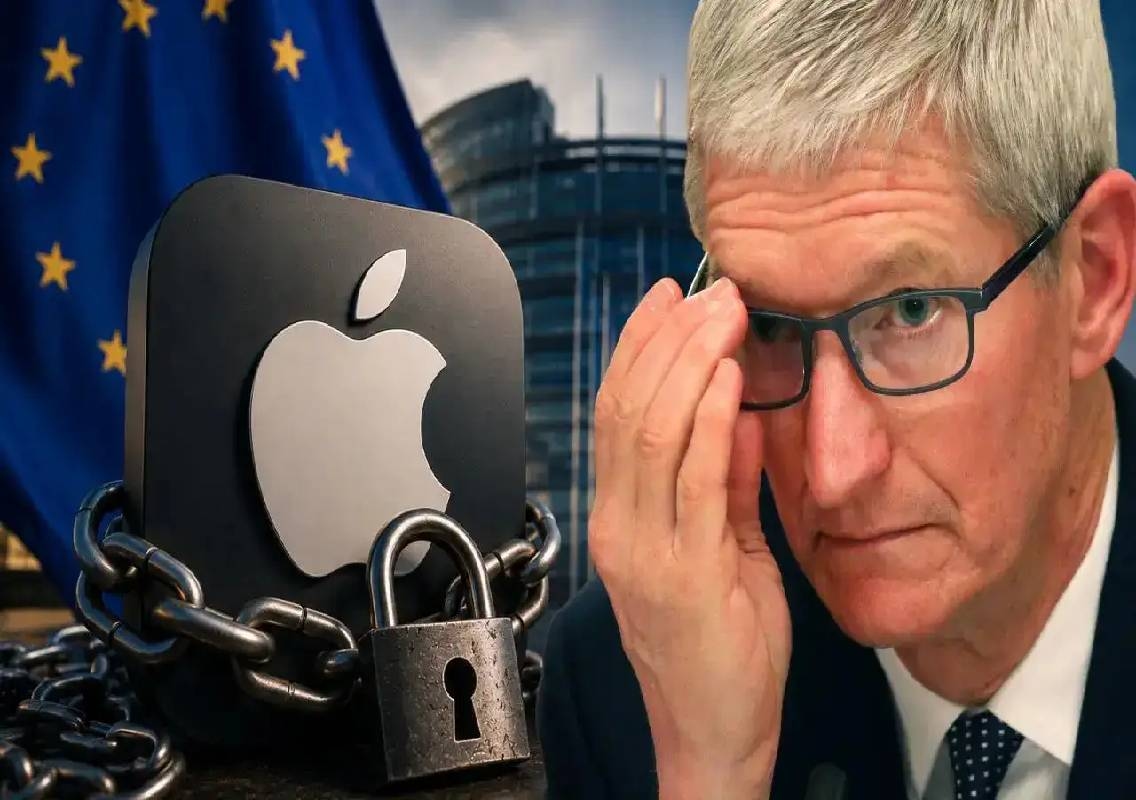


Brussels: Apple has found itself under fresh regulatory scrutiny in the European Union after deciding not to launch its new AI-powered Siri features in the region following a compliance setback with EU authorities. The development comes shortly after the technology giant unveiled its upgraded Siri AI tool and a range of new Apple Intelligence features during the Worldwide Developers Conference (WWDC) 2026.
The decision means that users across the European Union will not receive the new Siri AI experience alongside customers in other parts of the world. The delay stems from Apple’s unsuccessful attempt to secure an exemption from interoperability requirements imposed under the EU’s digital regulations.
EU rejects Apple’s exemption request
The dispute centres on interoperability obligations that require large technology companies to ensure their products and services work fairly with third-party platforms and applications. Apple reportedly sought an exemption for Siri AI, arguing that certain requirements could affect privacy and security protections built into its ecosystem.
However, European Commission officials rejected the request. According to a spokesperson quoted by Reuters, Apple failed to develop interoperability solutions that meet the EU’s privacy and security standards.
“The decision not to roll out Siri AI in the EU is Apple’s and Apple’s only. Apple was simply unable to develop interoperability solutions that meet essential EU privacy and security standards,” the spokesperson said.
The Commission further stated that requesting an exemption was not a valid alternative to compliance, making it clear that all technology companies are expected to follow the same regulatory framework.
What this means for Siri AI
The upgraded Siri AI represents one of Apple’s biggest artificial intelligence initiatives to date. The enhanced assistant is designed to deliver more personalised responses, improved contextual understanding and deeper integration across Apple’s ecosystem.
However, before the service can be launched in Europe, Apple will need to modify how Siri interacts with external applications, third-party services and user data. These changes are intended to ensure compliance with EU rules governing competition, interoperability and consumer protection.
As a result, users in the European Union will miss out on the initial rollout of several AI-powered Siri capabilities that are expected to be available elsewhere.
Impact on Apple users and developers
The delay will affect Apple’s major product categories, including iPhones, iPads and Mac computers sold within the European Union. While customers in other regions will gain access to the new features according to Apple’s rollout schedule, European users may have to wait until the company satisfies regulatory requirements.
Industry analysts believe the delay could also affect developers who were planning to build applications around Apple’s latest AI tools. Slower adoption of Apple Intelligence features in Europe could create a gap between European users and those in other markets.
For consumers, the postponement means access to AI-driven productivity tools, smarter voice interactions and advanced personalisation features may arrive later than expected.
A warning for the wider AI industry
The EU’s stance is being viewed as a significant signal to other technology companies racing to launch artificial intelligence products. European regulators have repeatedly emphasised that innovation must comply with existing laws related to privacy, competition and consumer rights.
The case demonstrates that even the world’s largest technology firms cannot expect exemptions from regulatory obligations. Companies developing AI products for European markets may need to invest more heavily in compliance and interoperability measures before launching new services.
Apple’s next challenge
The European Union has not prohibited Siri AI from operating within the bloc. Instead, regulators have asked Apple to make the necessary adjustments and demonstrate compliance before introducing the service.
Apple now faces the challenge of balancing its privacy-focused ecosystem with the EU’s interoperability requirements. The outcome could influence not only the future of Siri AI in Europe but also how other AI-powered products are developed for one of the world’s most heavily regulated digital markets.
As artificial intelligence becomes central to the future of consumer technology, the standoff between Apple and European regulators highlights the growing tension between innovation, privacy and regulatory oversight. The coming months will determine whether Apple can successfully adapt Siri AI for Europe while maintaining the user experience it aims to deliver globally.