







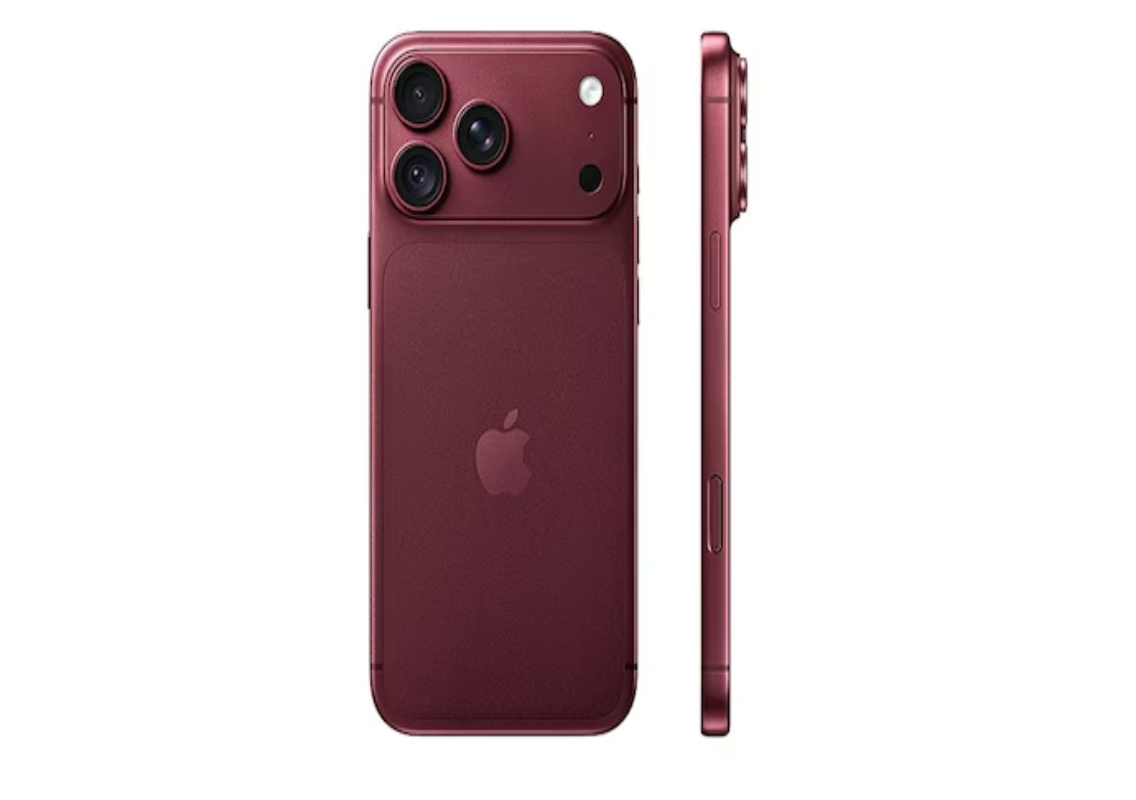


New Delhi: Apple has reportedly asked some of its suppliers to reduce component orders for the iPhone 18 Pro and iPhone 18 Pro Max by 15–20%, as higher prices and rising memory-chip costs weigh on demand for its latest flagship smartphones.
According to a report by Nikkei Asia, Apple has taken a more cautious approach to production planning, with orders for components scheduled for October falling below the company’s initial requirements. The reported adjustment comes amid signs that demand for the premium iPhone models has been weaker than expected.
The development highlights the challenges facing smartphone manufacturers as the cost of advanced components rises and consumers become more selective about expensive devices. Apple has increased the prices of its latest Pro models by around $100 compared with their predecessors, putting additional pressure on buyers weighing the benefits of an upgrade against its cost.
The reported reduction does not necessarily mean Apple is facing a broader crisis. However, it raises questions about how the company will sustain demand for its premium devices while managing rising manufacturing expenses and changes to its product launch schedule.
Higher iPhone prices may be affecting demand
The iPhone 18 Pro and iPhone 18 Pro Max are positioned at the premium end of Apple’s smartphone range. The reported starting prices are $1,199 for the Pro model and $1,299 for the Pro Max, representing increases of $100 over the corresponding previous-generation models.
Such increases can influence purchasing decisions, particularly among customers who already own relatively recent iPhones. While loyal buyers may be willing to pay more for improvements in performance, cameras and other features, price-sensitive consumers may choose to delay an upgrade or consider less expensive alternatives.
The higher prices also come at a time when consumers are dealing with broader cost pressures. Smartphones are increasingly sophisticated devices, but buyers do not necessarily replace them every year. When the cost of a new model rises substantially, the perceived value of upgrading becomes an important consideration.
According to the report, a source familiar with the supply chain described the new prices as a concern for consumers. Shorter delivery waiting times across more than 30 markets, cited in market observations by UBS, have also been interpreted as a possible indication that demand is cooling.
Delivery times alone do not establish a decline in total sales, as they can also be affected by supply availability and manufacturing decisions. Nevertheless, the combination of reportedly reduced component orders and easing waiting periods has drawn attention to the reception of Apple’s latest premium phones.
Memory-chip costs add pressure to manufacturers
Rising memory prices are another important factor behind the reported decision. Demand for advanced memory components has increased as technology companies invest heavily in artificial intelligence infrastructure, including data centres that require substantial computing and memory capacity.
This competition for components can affect the availability and cost of memory used in consumer electronics. Smartphone manufacturers must then decide whether to absorb higher expenses, adjust product specifications or pass some of the additional cost on to customers.
Apple has previously increased prices across parts of its product portfolio amid rising component costs. Its iPads and MacBooks were also affected by price adjustments earlier in 2026, according to the report.
For smartphone makers, memory is only one part of the overall bill of materials. Displays, processors, cameras, batteries and other components also contribute to manufacturing expenses. However, sustained increases in memory prices can put pressure on margins, especially when manufacturers are reluctant to raise retail prices too sharply.
The reported order reduction suggests Apple is adjusting its supply plans in response to changing market conditions. By aligning component orders more closely with expected demand, a manufacturer can reduce the risk of accumulating excess inventory. The extent of any subsequent adjustment will depend on sales trends and supplier requirements.
Changes to Apple’s launch schedule may also matter
The timing of the latest iPhone launch could be another factor influencing sales. Apple has reportedly concentrated its autumn launch on premium devices, with the standard iPhone 18 and a new iPhone Air model expected to arrive in spring 2027.
In previous product cycles, the availability of a broader range of models helped Apple address different budgets during the main autumn buying season. A line-up concentrated on expensive devices could limit the number of consumers willing or able to purchase a new iPhone immediately.
Customers who prefer a standard model may decide to wait for the next launch rather than pay a premium for a Pro device. Others may hold on to their existing phones until a more affordable option becomes available.
A staggered launch does not automatically translate into weaker annual sales, because demand may shift between quarters. However, it can change the pattern of purchases and make it more difficult to compare early sales with those of previous iPhone generations.
Apple’s production planning will therefore need to account for both the prices of its current models and the timing of future releases.
Apple could remain competitive despite softer demand
The reported reduction in component orders should be viewed in the context of the wider smartphone market. According to forecasts cited in the report, global smartphone shipments could decline in 2026 while average selling prices rise. This would indicate a market in which consumers purchase fewer devices even as the average cost of each phone increases.
Higher prices do not affect every manufacturer equally. Companies that depend heavily on budget and mid-range devices may find it difficult to pass on higher component costs without discouraging buyers. Premium brands, meanwhile, may have more room to maintain pricing, although their customers are not immune to affordability concerns.
The report suggests Apple and Samsung could gain market share even in a contracting market if lower-priced competitors face greater pressure. Market-share gains, however, would not necessarily mean that either company is selling more smartphones in absolute numbers.
For Apple, the priority will be to balance demand, pricing and supply. Reducing component orders can help limit excess stock, but the company must also ensure that sufficient products are available if demand strengthens later in the sales cycle.
Foldable iPhone faces another pricing test
Apple’s reported production adjustment comes shortly before the planned launch of its foldable iPhone Duo. The device is expected to go on sale on October 23, with a reported starting price of $1,999.
A foldable smartphone introduces a different proposition from a conventional flagship phone. Its larger flexible display and folding design may appeal to customers looking for new features, but the premium price could restrict its audience.
The success of the device will depend on how consumers assess its design, durability, functionality and overall value. A high price may be easier to justify for buyers seeking a new form factor, but it could deter those who see a conventional smartphone as sufficient for their needs.
A supplier source cited in the report has expressed concern that the foldable device could face similar demand challenges. That remains a reported expectation rather than a confirmed sales outcome.
What the production adjustment means
Apple’s reported 15–20% reduction in October component orders points to a more cautious approach to the iPhone 18 Pro and Pro Max supply chain. Higher retail prices, rising memory costs and the timing of other product launches appear to be contributing factors.
The adjustment does not, by itself, establish the scale of the company’s eventual sales or profitability. Actual results will depend on consumer demand, production decisions, inventory levels and the reception of upcoming devices.
The next few weeks will be important as Apple prepares to launch its foldable phone and evaluates demand for its premium line-up. For consumers, the report also serves as a reminder that higher specifications do not automatically make an upgrade worthwhile. Buyers will need to consider the price, the benefits over their current phones and whether waiting for future models makes more sense.
Apple’s ability to match supply with demand while maintaining the appeal of its premium products will be central to its performance in an increasingly expensive smartphone market.