







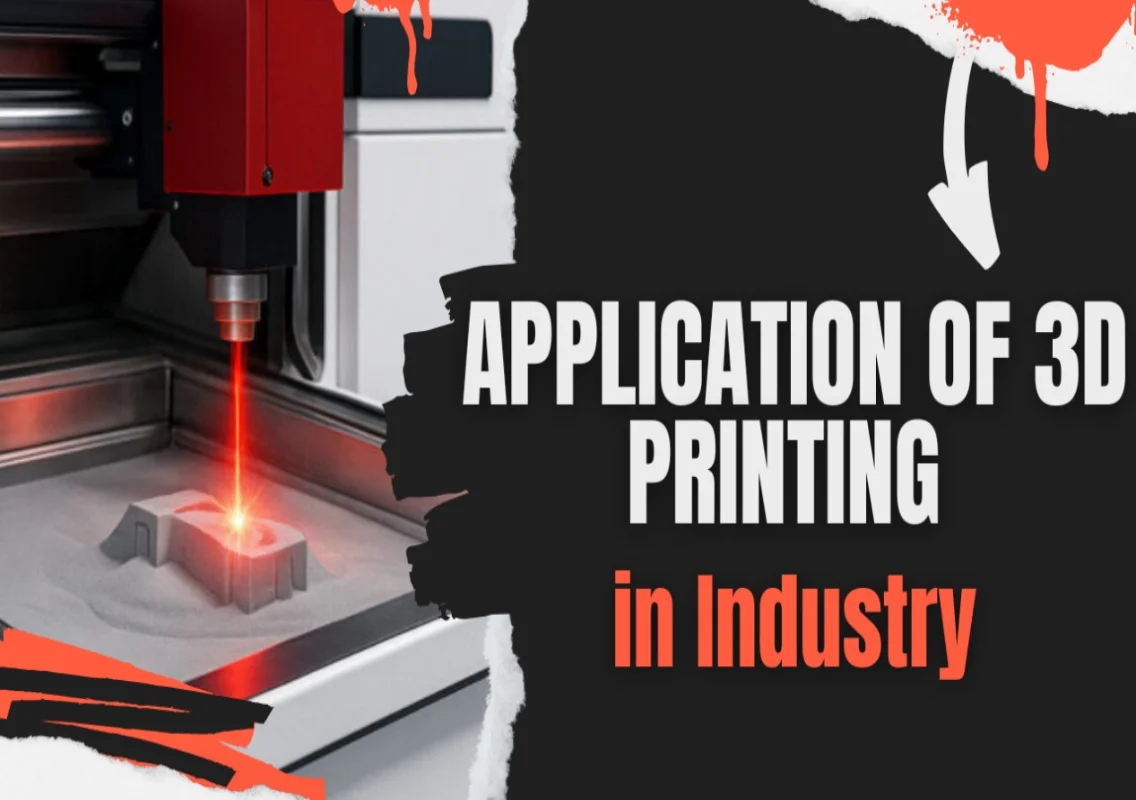


Modern industries face growing pressure to deliver complex, high-quality products quickly and efficiently. However, the application of 3D printing in industry allows companies to transform digital designs into functional parts, while 3D printing innovations continue to expand possibilities in prototyping, low-volume production, and customized manufacturing.
This article explores which industrial components can be printed, the benefits of 3D printing, and key factors to consider when adopting the technology.
How Does Industrial 3D Printing Turn Digital Designs into Functional Parts?
Industrial 3D printing transforms digital concepts into fully functional components through a structured, data-driven workflow. Unlike traditional manufacturing, which often requires tooling and multiple intermediate steps, this process directly converts a digital model into a physical object with high precision and minimal waste.
This is a key reason why the application of 3D printing in industry continues to expand. The process generally follows four main stages: part design, build preparation, component printing, and post-processing.
Designing the Part
The process begins with engineers creating a detailed CAD model or optimizing an existing design based on functional requirements, mechanical performance, and real-world conditions. At this stage, designs are often adapted specifically for additive manufacturing, enabling weight reduction, structural optimization, and part consolidation.
Preparing the Build
Once the design is complete, it is then imported into specialized software for build preparation. Here, engineers determine the optimal orientation of the part to balance strength and surface quality. At the same time, multiple components can be nested within the build chamber, maximizing space utilization and improving production efficiency.
Printing the Component
After the build setup is completed, the machine begins printing. In SLS technology, a laser selectively sinters powdered material layer by layer, forming the part based on the digital model.
Post-Processing
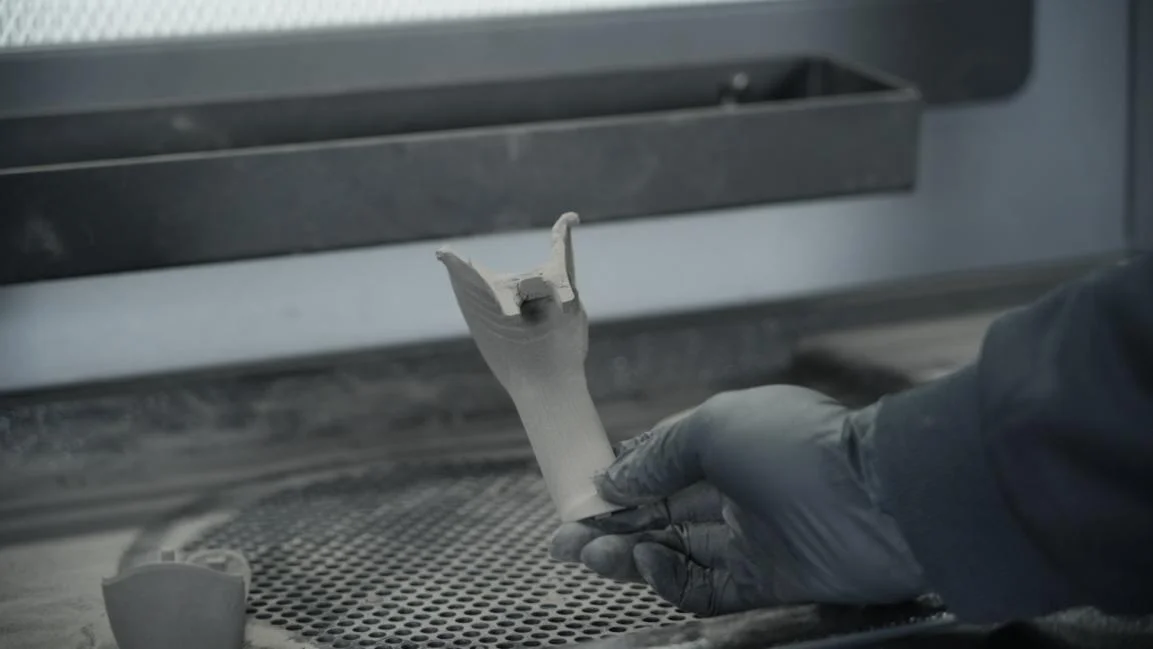
When printing is finished, the parts are removed from the powder bed and cleaned. Additional steps, such as surface finishing or assembly, are carried out if required.
What Industrial Components Can Be Produced with 3D Printing?
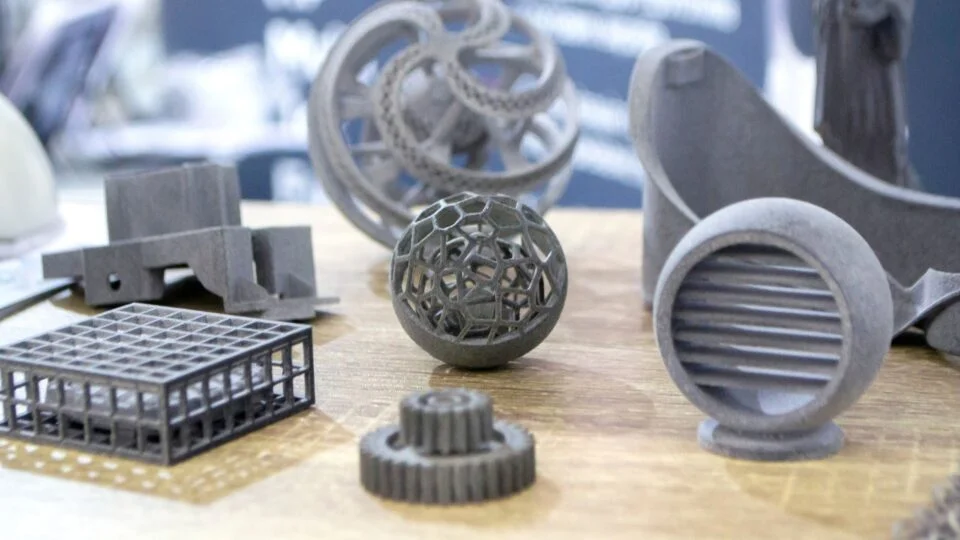
3D printing is no longer limited to prototyping. It is now used to produce functional components across a wide range of industries, with parts designed for real operating conditions and end-use applications.
Some of the main applications include:
- Aerospace: Lightweight brackets, internal cooling channels, ducting parts
- Automotive: Functional brackets, housings, air ducts, production tooling
- Defense: Durable components, spare parts, protective housings
- Oil & Gas: Valve components, flow parts, corrosion-resistant housings
- Construction: Formwork molds, structural connectors, custom fixtures
How Does 3D Printing Improve Efficiency in Mass Manufacturing?
Batch Production
Multiple parts can be nested and printed in a single build. This maximizes the use of the build volume and allows manufacturers to produce several components simultaneously, reducing the cost per part.
Reduced Post-Processing
Because additive manufacturing can produce complex geometries without support structures in some processes, manual finishing steps are minimized. This shortens production timelines and reduces labor requirements.
Design Consolidation
3D printing allows multiple components to be combined into a single part. By reducing the number of individual pieces that need assembly, this approach simplifies manufacturing, lowers the potential for assembly errors, and—more importantly—reduces production costs.
- GE Aviation provides a landmark example: they consolidated a fuel nozzle that previously required 20 different parts into a single 3D-printed component. This consolidation reduces assembly steps, lowers production costs by approximately 30%, and eliminates numerous potential failure points.
- The automotive industry also leverages this to create vehicle bodies and engines with fewer parts, which helps minimize failures and simplifies the supply chain.
Consistent Quality
Parts produced with industrial 3D printers maintain reliable mechanical properties across repeated builds. This repeatability ensures that functional components meet specifications without extensive inspection or rework.
- For example, industrial 3D printing platforms can use real-time monitoring to track hundreds of critical parameters during production, ensuring each part in a batch meets design requirements and maintains consistent quality.
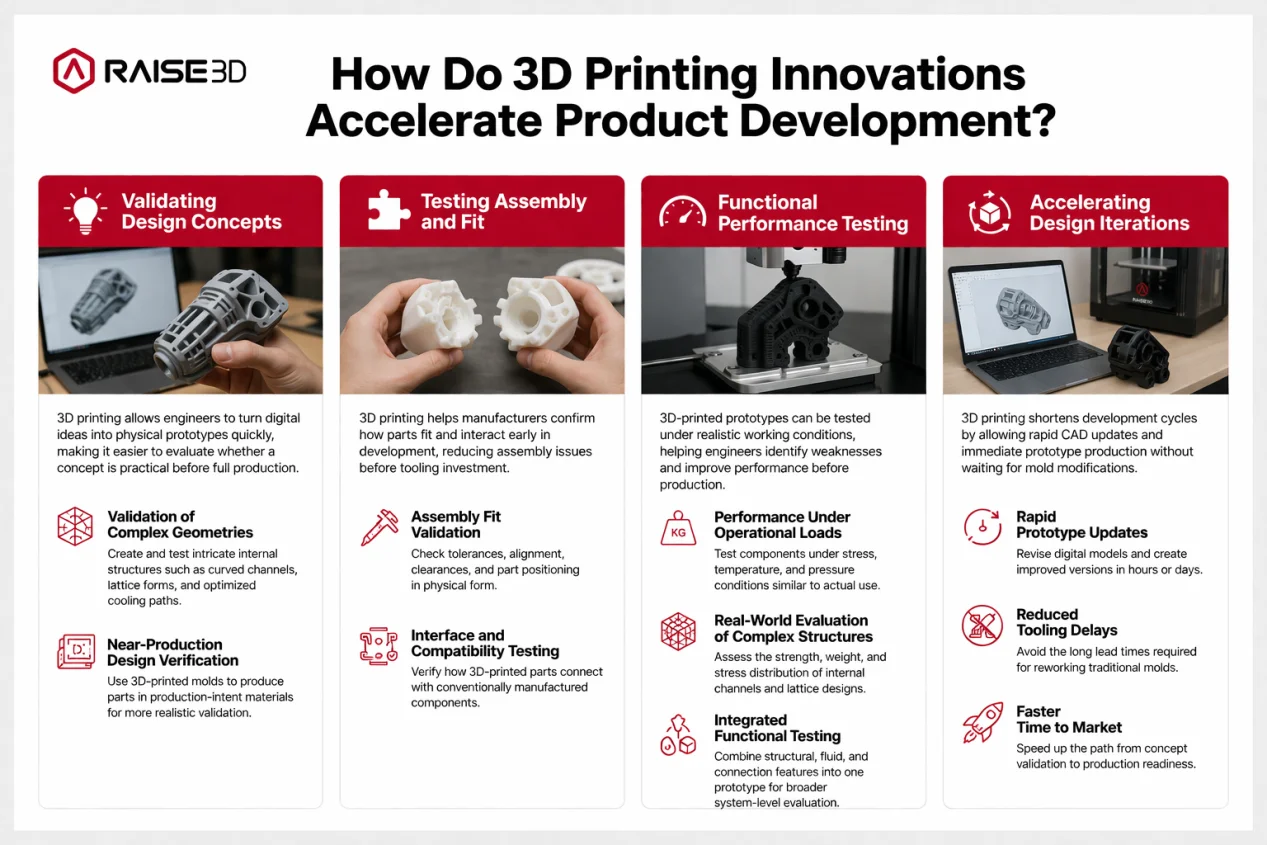
How Do 3D Printing Innovations Accelerate Product Development?
Validating Design Concepts
The ability to produce near-production-quality prototypes directly from 3D digital descriptions allows engineers to evaluate form and function almost immediately after a design is conceived.
- Validation of Complex Geometries: Additive manufacturing enables the creation of intricate internal structures—such as curved channels or optimized cooling paths—allowing engineers to confirm whether advanced designs can be physically realized and perform as intended.
- Near-Production Design Verification: Manufacturers can use 3D-printed molds to produce hundreds of parts in production-intent materials. This allows for testing the exact material properties of a final product without the high upfront cost of permanent steel tooling.
Testing Assembly and Fit
3D printing enables manufacturers to verify how parts interact and fit together early in the design process, reducing the risk of assembly errors before committing to full production tooling.
- Assembly Fit Validation: Engineers can physically evaluate tolerances, alignment accuracy, and clearance between components to ensure reliable assembly under real conditions.
- Interface and Compatibility Testing: 3D-printed components can be integrated with conventionally manufactured parts, allowing verification of interfaces, tolerances, and compatibility across different manufacturing methods.
Functional Performance Testing
3D-printed parts can be tested under real-world conditions, allowing engineers to identify weaknesses and refine designs before full-scale manufacturing.
- Performance Under Operational Loads: Components can be tested under actual stress, temperature, and pressure conditions. For example, the GE fuel nozzle was tested under full engine conditions, proving five times more durable than its predecessor and capable of withstanding temperatures exceeding 3,000°F, helping reduce development cycles compared with traditional tooling.
- Real-World Evaluation of Complex Structures: Intricate lattice designs and internal channels can be tested directly within a single prototype, allowing engineers to assess weight, strength, and stress distribution in realistic scenarios.
- Integrated Functional Testing: Multiple features—such as structural supports, fluid paths, and connection interfaces—can be combined into one part, enabling comprehensive testing of system-level performance in a single iteration.
Accelerating Design Iterations
3D printing drastically compresses development cycles by allowing engineers to update CAD models and produce new prototypes immediately, without the delays and costs associated with traditional tooling. Traditional injection molding iterations often require weeks or months to rework physical molds, but 3D printing bypasses this process, enabling rapid online updates and the creation of new versions in a matter of hours or days.
- For example, Adidas leveraged 3D printing to iterate and produce over 100,000 pairs of shoes with customized midsoles, demonstrating how rapid design iterations can scale efficiently into production.
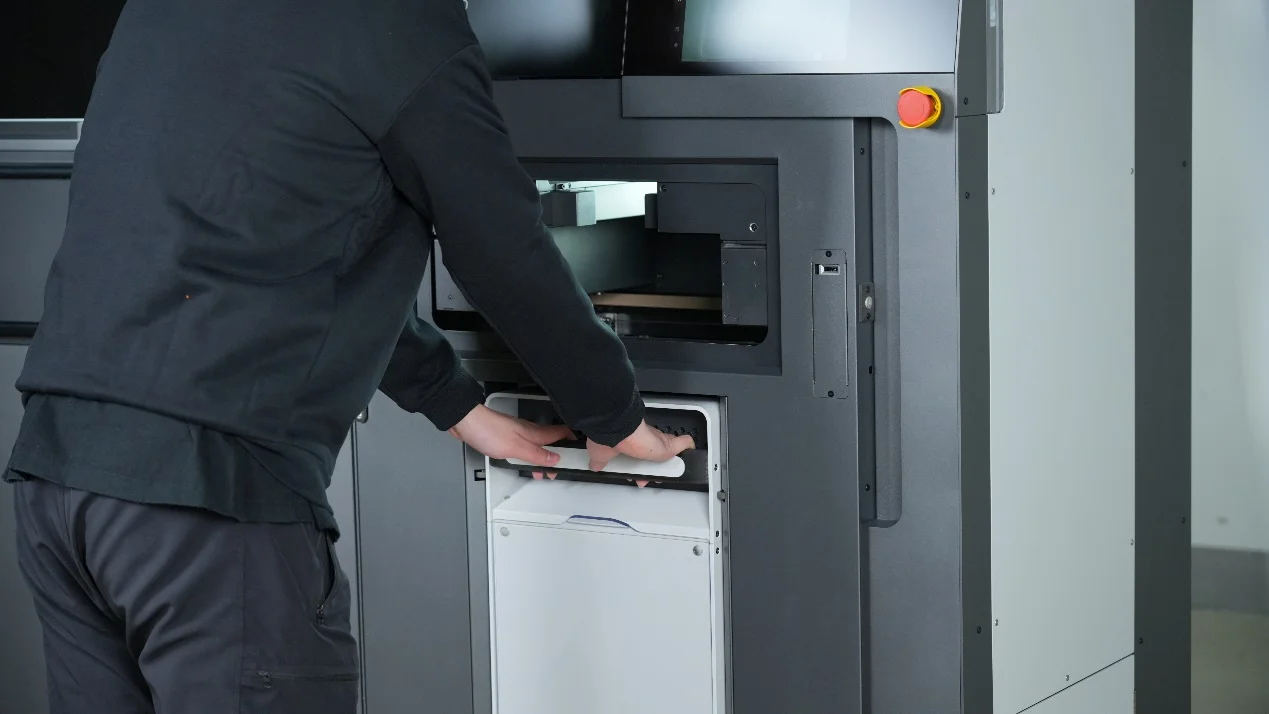
Can 3D Printing Support Low-Volume and On-Demand Manufacturing?
The answer is definitely yes: 3D printing supports flexible and efficient production of small quantities and customized components.
Custom Machine Components
3D printing supports the creation of tailored mechanical components for specialized equipment. Examples include motor mounts, sensor enclosures, cable routing brackets, and integrated cooling housings, all manufactured as single, precise units.
Replacement Parts on Demand
Functional components that are difficult to source or require rapid turnaround can be produced on demand. Examples include discontinued spare parts such as equipment covers, gear housings, fan shrouds, knobs, and internal mechanical connectors.
Pilot or Niche Production Runs
3D printing enables small-batch manufacturing without investing in large-scale tooling, making it ideal for pilot runs or niche products. Examples include limited runs of customized phone cases, wearable device housings, medical braces, drone components, and decorative lighting structures.
Which Materials Are Suitable for Manufacturing Applications?
The choice of material is a critical factor in industrial 3D printing, as it determines the mechanical properties, durability, and suitability of parts for different applications.
Among the technologies used in industry, Selective Laser Sintering (SLS) is widely applied for producing functional parts with engineering-grade polymers. The following table highlights commonly used SLS materials and their typical applications:
| Material | Characteristics | Typical Applications |
|---|---|---|
| PA12 | Strong, durable, and versatile | Functional prototypes, mechanical brackets, housings |
| PA11 | Higher impact resistance with added flexibility | Automotive components, sports equipment, flexible parts |
| Glass-filled nylon | Increased stiffness and heat resistance | Structural parts, tooling, high-load components |
| Carbon-fiber reinforced nylon | Lightweight with high strength | Aerospace brackets, automotive structural components |
| TPU (SLS) | Flexible, elastic, and wear-resistant | Seals, gaskets, protective housings, flexible connectors |
What Should You Look for in a Large Industrial 3D Printer for Manufacturing?
Thermal Stability
Look for printers with precise temperature control across the build chamber, including heated build plates and enclosed environments. Stable thermal management minimizes warping or dimensional deviations, especially for large or geometrically complex components.
Material Compatibility
Select printers that support a wide range of engineering-grade materials, such as PA12, PA11, glass-filled nylon, carbon-fiber reinforced nylon, and flexible TPU. Greater material compatibility allows for producing parts with varied strength, stiffness, and flexibility, depending on the application.
Powder Management System
A printer should offer efficient powder handling, including automated recycling, sieving, and storage. This reduces material waste, lowers operating costs, and ensures consistent powder quality across multiple builds.
Build Volume and Packing Efficiency
Evaluate the maximum build size and the printer’s ability to nest multiple parts efficiently. Large, well-optimized build chambers allow simultaneous production of several components, improving throughput and lowering cost per part.
Process Consistency and Reliability
The printer should maintain repeatable performance across hundreds of builds, with features like real-time process monitoring, error detection, and data logging. This ensures each part meets mechanical specifications and reduces the need for rework or extensive inspection.
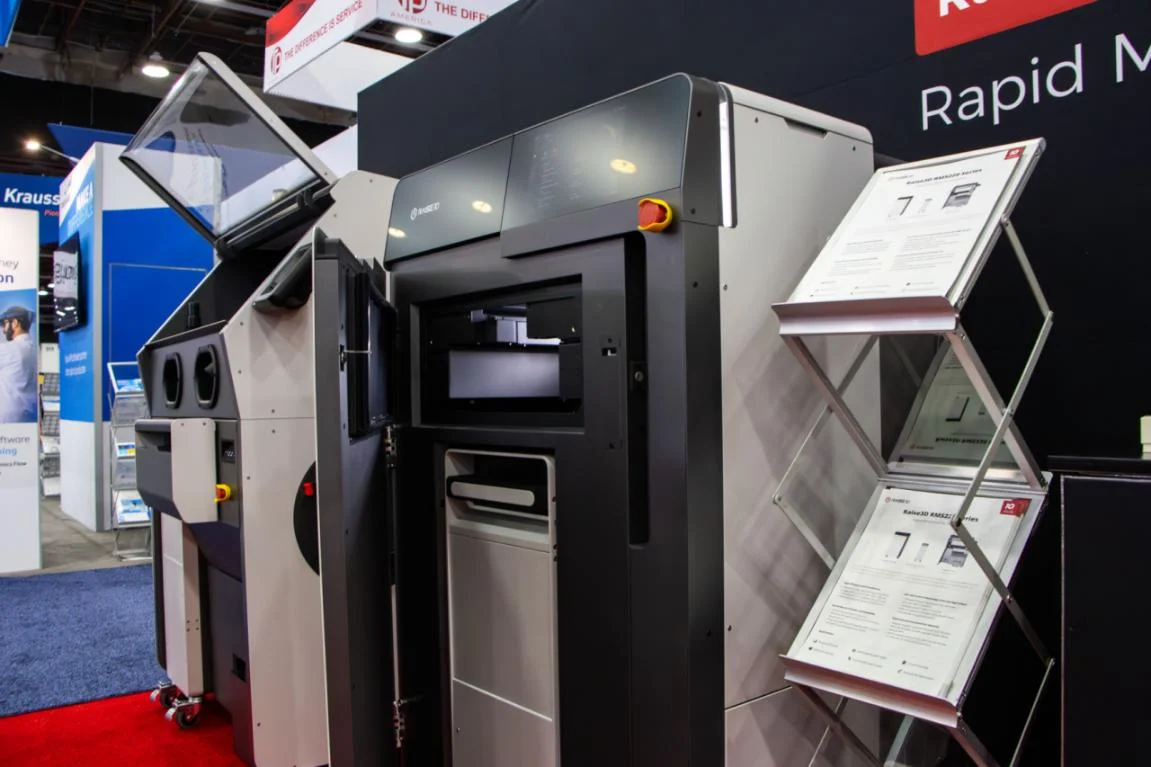
Why Raise3D RMS220 Is a Strong Choice?
Powerful Laser System for Precision and Speed
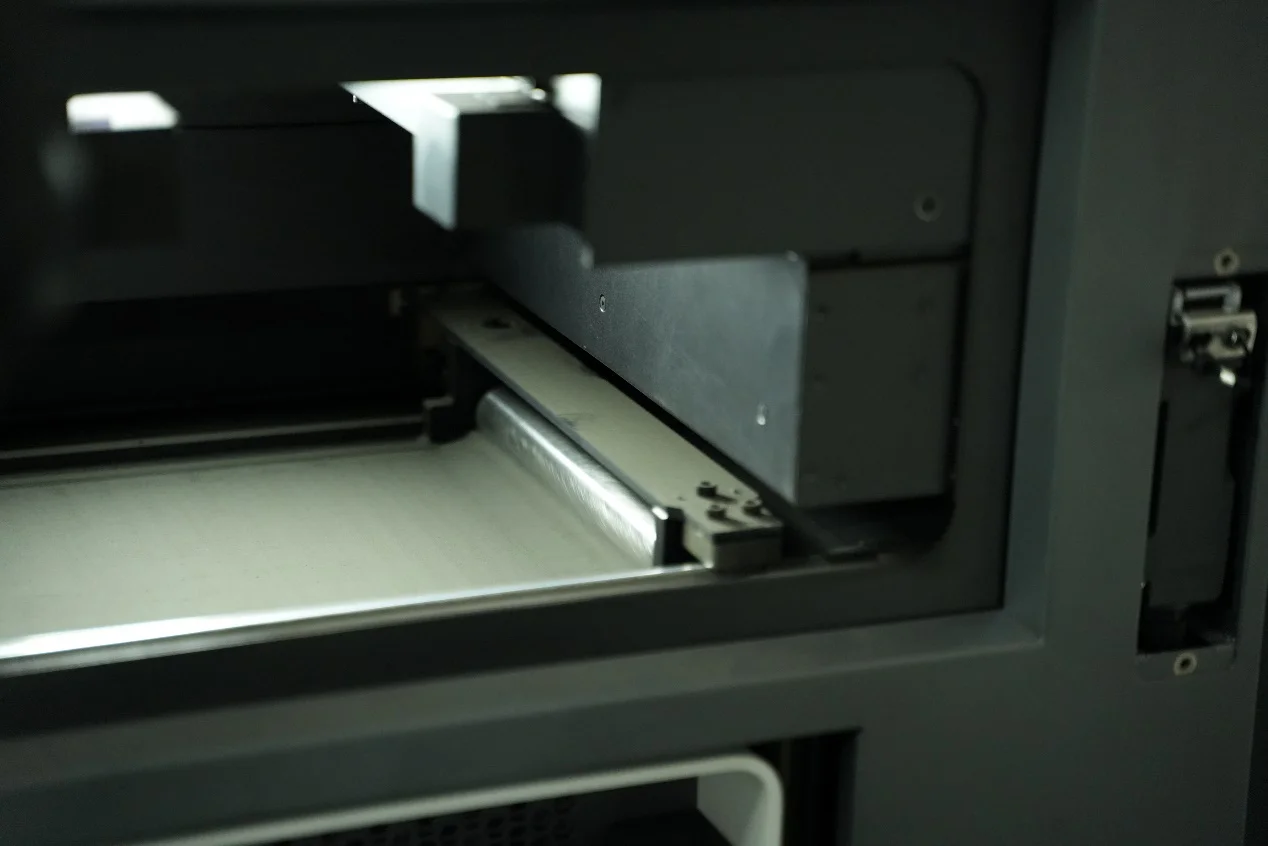
The RMS220 uses a 75 W 1064 nm high‑power infrared fiber laser with industrial‑grade galvanometer control and scanning speeds up to 30,000 mm/s, enabling accurate sintering and accelerated production cycles for both detailed parts and batch jobs.
Large Build Volume with Compact Footprint
The RMS220 offers a 220 × 220 × 350 mm (17 L) build volume, among the largest in its industrial SLS class, while occupying only about 0.58 m² of floor space, supporting small to medium production workloads.
Fast Cooling and Continuous Productivity
The RMS220’s modular build unit cools to below 100 °C in approximately 30 minutes, allowing operators to handle parts externally without pausing the printer. With PA12 at 20 % packing density, the RMS220 can produce up to 5 kg of functional parts per day, supporting efficient batch production.
Quick‑Detach Modular System for Efficient Material Switching
The RMS220 enables powder changeovers in about 45 minutes, minimizing downtime compared with traditional SLS workflows. It also allows flexible use of multiple engineering-grade materials in the same production environment.
RFID Management System
The RMS220’s integrated RFID system automatically identifies and configures powder types, streamlining material handling, reducing setup errors, and ensuring consistent printing conditions across repeated builds.
Ready to Experience RMS220 in Action?
Take the next step and see how the RMS220 can transform your manufacturing workflow:
Request a Sample Part: Experience the RMS220’s precision and quality firsthand.
Schedule a Consultation: Discuss your production goals with our experts.
Download Technical Specifications: Get all the details you need to plan your production.
Conclusion: Explore Raise3D at RAPID + TCT 2026
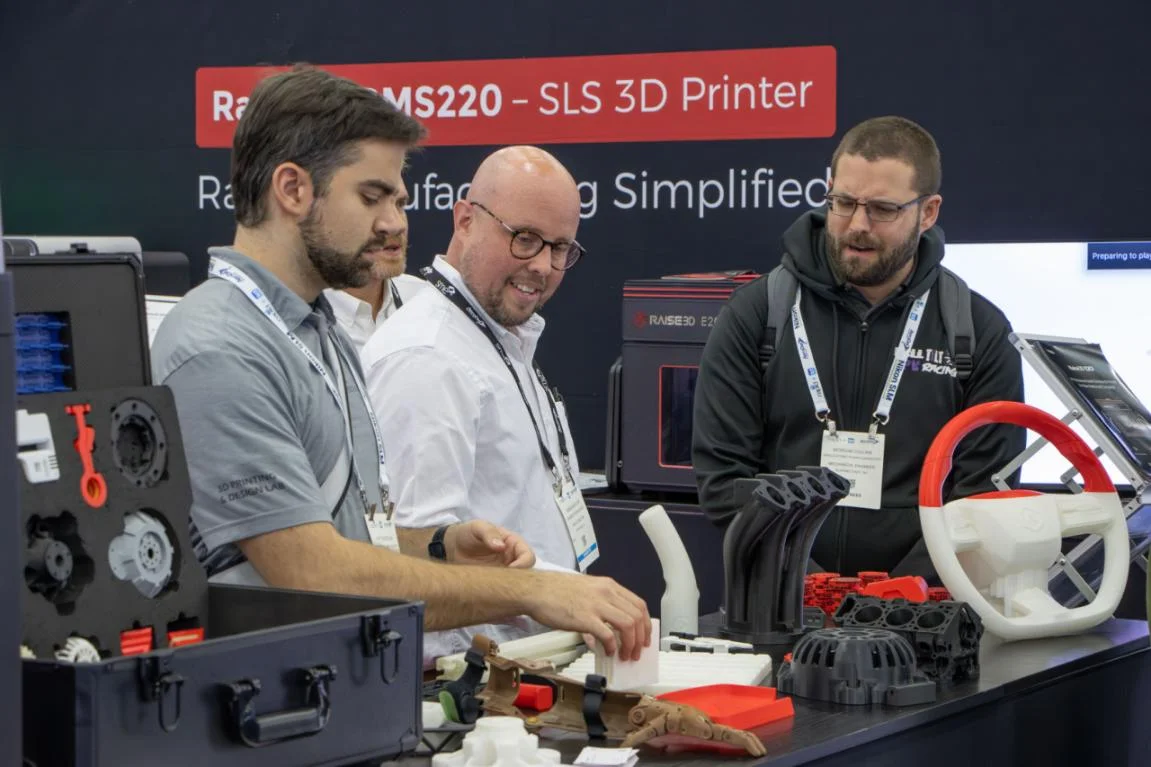
From April 14-16, 2026, the Thomas M. Menino Convention & Exhibition Center in Boston, MA will host RAPID + TCT, North America’s largest additive manufacturing and industrial 3D printing event.
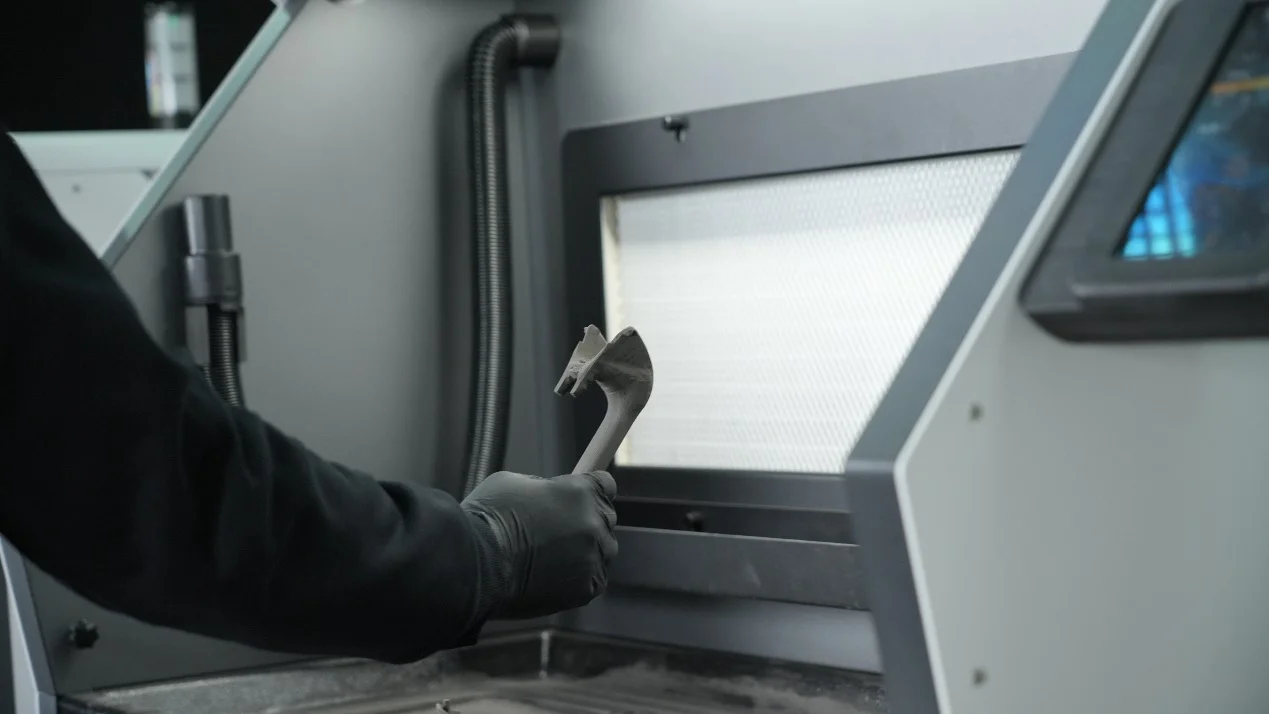
This is your chance to explore the latest 3D printing innovations, witness groundbreaking product launches, experience hands-on exhibits, and learn real-world solutions from over 100 industry experts. You can also explore the B520 sandblasting station, designed for efficient SLS post-processing, alongside our RMS220 system.
Visit Raise3D at TCT ASIA 2026, Booth 2120, to see how Raise3D’s products and other industrial-grade platforms are transforming manufacturing and accelerating product development.
References
- https://remedium.co.in/case-study-ge-aviations-transformation-through-3d-printing/
- https://www1.eere.energy.gov/manufacturing/pdfs/additive_manufacturing.pdf
- https://warontherocks.com/2025/12/hybrid-manufacturing-the-case-for-agile-factories/