


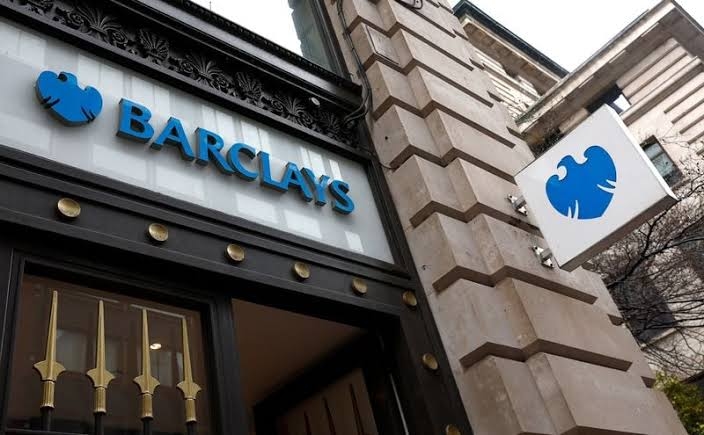


London: Barclays is set to cut around 5,000 jobs as part of an ongoing cost-reduction and modernisation programme, with increased investment in artificial intelligence (AI) expected to reshape several functions across the banking group. The bank has already closed 1,000 positions and plans to complete a further reduction of 4,000 jobs by the end of 2026.
The planned cuts amount to approximately 5% of Barclays’ global workforce. While the bank has linked the changes to a broader effort to simplify operations and improve efficiency, the scale of the reductions has renewed concerns about how automation and AI could affect employment across the financial services industry.
The programme is primarily focused on Barclays’ UK retail banking operations. However, some support and back-office functions serving the UK are based in India, where a significant proportion of the job losses is expected to occur.
Barclays has emphasised that the reductions are not entirely attributable to AI. Instead, they form part of a three-year cost-cutting programme that is nearing completion, with technology investment playing an increasingly important role in its longer-term strategy.
Barclays links job cuts to technology investment
Barclays Group chief executive CS Venkatakrishnan said the job reductions reflected the bank’s substantial investment in technology to simplify its operations and improve how the business functions.
He acknowledged that AI would become increasingly important to the bank’s future operations but described it as an additional component of a much broader transformation strategy.
“AI has an important role to play and may have a more important role to play in the future,” Venkatakrishnan said, adding that the bank intended to deploy the technology at scale.
He also stressed that AI alone would not deliver the anticipated benefits without investment in the underlying infrastructure.
The comments suggest that Barclays’ strategy involves more than introducing AI tools to replace existing tasks. The bank is also working on the technology systems and operational processes required to make its business more efficient.
Companies across the financial sector have increasingly explored AI applications for administrative work, software development, data processing and other routine activities. These tools have the potential to reduce the time required to complete certain tasks, although their effectiveness depends on the nature of the work, the quality of the technology and the safeguards required in a regulated industry.
For Barclays, the challenge will be to translate its technology spending into sustained savings while maintaining operational reliability and customer service.
Majority of job cuts expected in support functions
Barclays said approximately 60% of the planned job reductions would affect support functions, including roles among developers. This indicates that the restructuring will extend beyond customer-facing banking operations.
Support functions typically include activities that help the bank manage its internal processes, technology systems and administrative responsibilities. Automation can change how these functions operate by reducing repetitive work or allowing smaller teams to handle tasks previously performed by larger groups.
The impact on employees, however, is likely to vary according to their roles and locations. As some UK banking support functions are handled from India, the restructuring is also expected to affect workers in the country.
The bank has not attributed every planned job loss directly to AI. Its programme also includes wider efforts to reduce costs, simplify the organisation and improve efficiency.
Nevertheless, the reductions are likely to intensify debate over whether AI-related productivity improvements will lead to new employment opportunities or result in fewer people being required to perform certain jobs.
Union criticises Barclays over workforce reductions
The Unite union, which represents workers in the banking sector, criticised Barclays’ plans and accused the company of using AI to justify reductions in its workforce.
Unite general secretary Sharon Graham said the bank was “using AI as an excuse to discard its loyal and long-suffering workforce”.
She argued that employers should focus on upgrading employees’ skills so they can remain employed as new technologies change workplace requirements. Graham criticised Barclays for what she described as a short-term approach to restructuring.
The union’s comments reflect a wider concern among workers that companies could prioritise immediate cost savings over retraining and redeployment as automation becomes more widespread.
Reskilling programmes can help employees move into roles that require different technical or analytical capabilities. However, the extent to which such programmes can protect existing jobs depends on the availability of suitable positions, the skills required and employers’ willingness to invest in workforce development.
Barclays’ planned reductions raise questions about how banks will balance technology-led efficiency with their responsibilities towards employees whose roles may change or disappear.
Other banks also examining AI-related job reductions
Barclays is not the only banking group facing questions about the employment consequences of AI. HSBC, Standard Chartered and Danske Bank have also flagged AI-related job cuts this year.
The developments come as financial institutions increase spending on technology and explore ways to automate tasks across their operations. Banks have long invested in digital systems, but advances in AI have expanded the range of activities that software can potentially support or perform.
AJ Bell investment analyst Russ Mould described AI as a particularly prominent issue for companies and investors. However, he cautioned against assuming that banks would rapidly introduce the technology across all their operations.
Mould said financial institutions would need to consider security and customer service implications before deploying AI widely to achieve savings.
Banks operate in a highly regulated environment and handle sensitive financial information. Any significant use of AI must therefore account for data protection, cybersecurity, accuracy and the consequences of errors in customer-facing or financial processes.
Mould also noted that companies need to manage their cost bases continuously. He said the results and commentary from other banks in the coming weeks would be worth watching as investors assess the wider implications of technology investment.
Barclays reports £2.3 billion quarterly profit
The job-cut announcement came alongside Barclays’ financial results for the three months ending in September. The bank reported a profit of £2.3 billion, higher than the figure recorded during the same period a year earlier but slightly below market expectations.
The results place the restructuring in the context of the bank’s broader financial performance. Although Barclays remained profitable, its efforts to improve efficiency continue as it seeks to manage costs and deliver returns to shareholders.
Mould said Barclays had not matched expectations with its financial results despite turning to AI as part of its cost-reduction strategy.
The bank is nearing the end of a three-year programme focused mainly on its UK retail banking division, although its investment banking operations have also been affected.
Barclays expects its efficiency measures to generate a further £1.1 billion in savings in 2027. The projected savings form part of its continuing efforts to streamline operations and improve productivity.
AI could reshape banking employment in the coming years
The scale of Barclays’ planned reductions illustrates the potential for AI and automation to alter staffing requirements across the banking industry.
Will Howlett, financials analyst at Quilter Cheviot, said the cuts demonstrated how significantly the technologies could reshape banking over the next few years.
He observed that banks had spent heavily on technology for years and were increasingly reaching a stage where that investment could translate into fewer employees being required to operate their businesses.
However, the pace and extent of the transformation remain uncertain. While AI may reduce demand for some administrative and technical tasks, financial institutions will continue to require employees to oversee systems, manage risks, meet regulatory obligations and support customers.
For workers in the UK and India, the key questions will be whether affected employees can move into new positions, whether banks provide meaningful retraining opportunities and how quickly AI adoption changes the demand for particular skills.
Barclays’ plans underline the growing importance of technology in banking strategy. The immediate focus is on completing its current cost-cutting programme, while the longer-term outcome will depend on how effectively the bank combines AI, infrastructure investment and its existing workforce to achieve efficiency gains.