







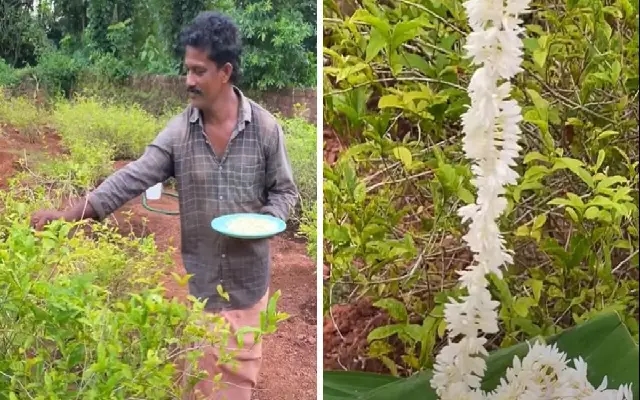


In the Udupi, Karkala, and Kaup regions, agriculture, particularly jasmine farming in areas like Shankarapura, plays a crucial role in livelihoods. However, the rainy season poses significant challenges for jasmine growers, affecting plant health and yield.
Jasmine’s fragrant blooms are in high demand during various cultural events, but excessive rain can lead to root rot and leaf fall, impacting plant vitality. Traditional farming methods exacerbate issues such as waterlogging and nutrient imbalance, prompting the need for scientific techniques.
Progressive farmers advocate for measures like creating slopes to prevent water stagnation, using plastic covers to inhibit weed growth, and adopting container cultivation to enhance plant health and productivity. Applying lime and organic fertilizers at specific intervals also supports robust plant growth.
Ramakrishna Sharma emphasizes the importance of avoiding non-composting manures and excessive pesticide use, which contribute to pest outbreaks and disease development during the monsoon.