







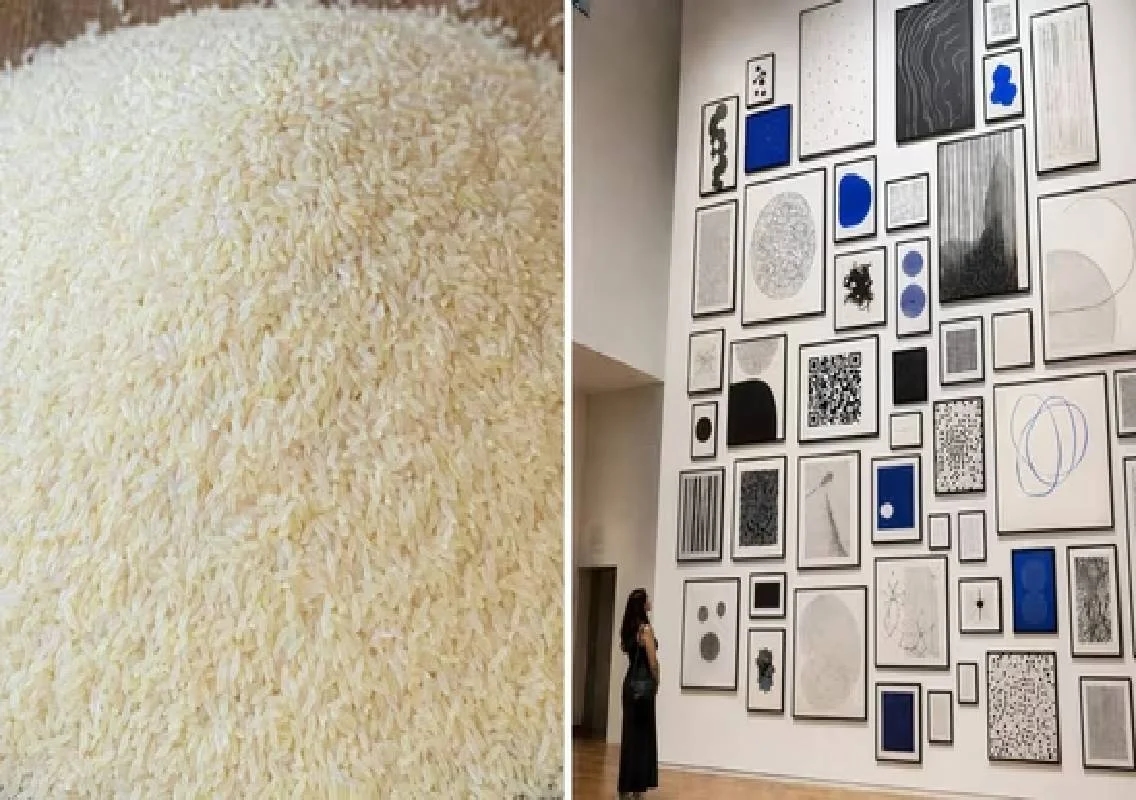


San Francisco: OpenAI has introduced ChatGPT Images 2.0, calling it a “new era of image generation” with significantly improved realism, precision and editing capabilities. The upgraded model is designed to handle complex visual tasks, generate detailed compositions and deliver ready-to-use visuals across a wide range of styles.
The announcement has generated considerable buzz online, with users praising the model’s ability to create highly realistic images that are often difficult to distinguish from real photographs.
What is ChatGPT Images 2.0?
ChatGPT Images 2.0 is the latest image generation model integrated into ChatGPT. According to OpenAI, the model introduces “thinking capabilities”, allowing it to process prompts more intelligently and produce more accurate and cohesive outputs.
The company said the model can:
- Generate multiple variations from a single prompt
- Maintain visual consistency across edits
- Create complex layouts with accurate text placement
- Use real-time information for enhanced relevance
This makes it suitable for use cases ranging from marketing creatives to conceptual art and professional photography.
How to use ChatGPT Images 2.0
OpenAI has made the feature accessible to ChatGPT users with a simple workflow:
- Open ChatGPT and access the image generation feature
- Select styles such as headshots, comics, anime or 3D avatars
- Upload an image for editing or refinement
- Alternatively, describe a new image using text prompts
- Let the AI generate and refine visuals instantly
The tool is designed to be intuitive, making it usable even for individuals without design experience.
Best prompts to try
The effectiveness of the model depends largely on how prompts are written. OpenAI and users suggest that detailed, descriptive prompts produce the best results.
Some example prompts include:
- “Overhead food photography of a rich Indian thali, vibrant colours, natural lighting, high texture detail”
- “Old monk meditating in a mountain temple, soft sunlight, peaceful aura, cinematic composition”
- “Post-apocalyptic Indian metro city, cracked roads, nature reclaiming buildings, warm dusty sunlight, ultra-realistic”
- “A person drowning in social media icons, dark tone, commentary on digital overload, surreal realism”
- “Rain-soaked city street at night, neon reflections, slow shutter motion blur, pedestrians with umbrellas, cyberpunk tone, cinematic lighting”
Experts note that including elements like lighting, mood, perspective and style helps the model generate more refined and visually appealing outputs.
Social media reactions
The release has sparked enthusiastic reactions across social media platforms. Many users have highlighted the model’s precision, particularly in maintaining consistent lighting and handling dense visual layouts.
Some users believe the tool could be a game-changer for small business owners and content creators by reducing dependence on professional designers. Others have praised its ability to understand complex instructions and deliver high-quality results quickly.
However, discussions have also touched on broader implications, including the growing difficulty in distinguishing AI-generated visuals from real images.
What makes it different?
Unlike earlier versions, ChatGPT Images 2.0 focuses on bridging the gap between idea and execution. Its “thinking” capability allows it to interpret prompts more deeply and refine outputs automatically.
OpenAI stated that this advancement enables the model to handle tasks requiring high accuracy, consistency and visual coherence. It can also cross-check outputs and adapt based on updated inputs, making it more reliable for professional use.
Conclusion
With its enhanced realism and intelligent prompt handling, ChatGPT Images 2.0 marks a significant step forward in AI-driven creativity. As adoption grows, the tool is expected to transform how individuals and businesses create visual content, making high-quality design more accessible than ever.