







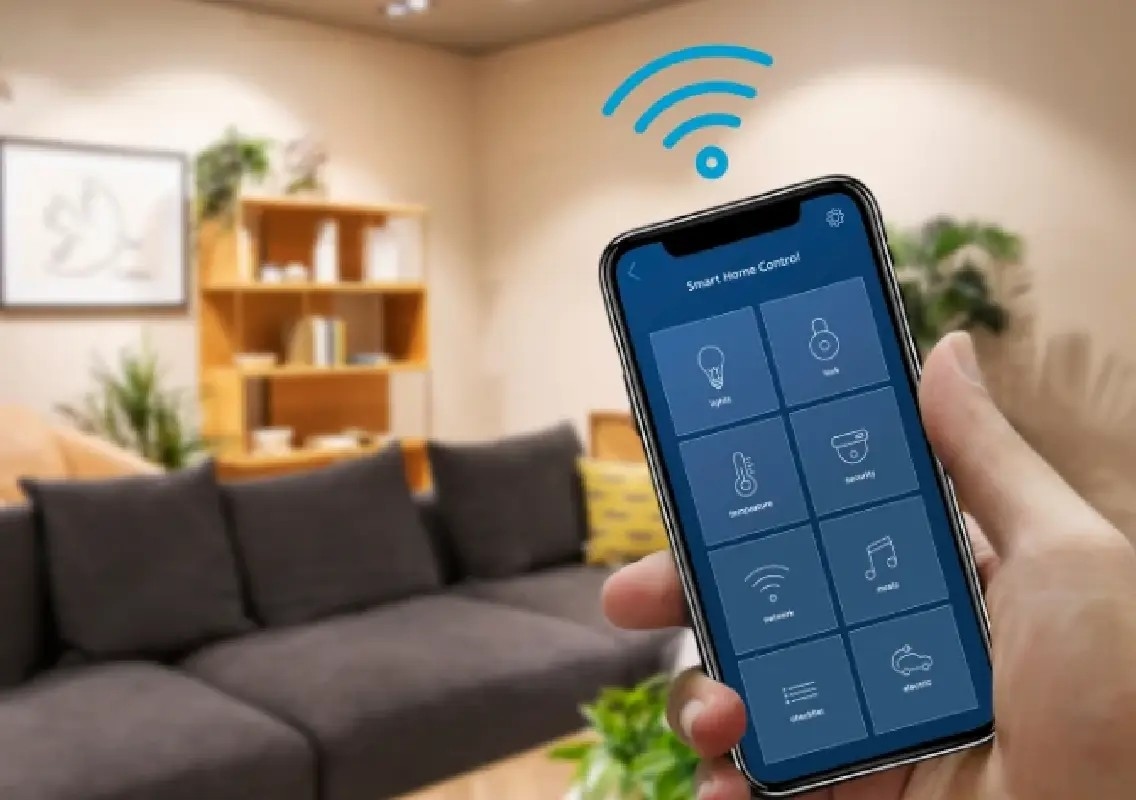


Smart home enthusiasts are increasingly discovering creative ways to automate daily routines using NFC-enabled everyday objects already lying around their homes.
Near Field Communication (NFC) technology, commonly used for contactless payments and digital access, can also trigger smart home actions simply by tapping or scanning an item with a smartphone.
How NFC automations work
Users can connect NFC tags with platforms such as Home Assistant, Apple Home, and Google Home to launch customised routines.
On Apple devices, the Shortcuts app allows NFC tags to trigger automations. Android users often rely on apps like Tasker or Samsung’s Modes and Routines feature.
These automations can switch lights on or off, activate security systems, start music playlists, control TVs, or even enable vacation mode.
Everyday objects hiding NFC chips
Experts say many commonly used items already contain NFC chips and can function as automation triggers without buying dedicated NFC tags.
Modern credit and debit cards, transit cards, driving licences, passports, and gym access fobs are among the most commonly reused NFC-enabled objects.
AirTag trackers attached to luggage, keys, or pets can also trigger location-specific smart home scenes.
Gaming enthusiasts are even using Amiibo figurines to activate routines such as work modes, music playlists, or bedtime settings.
Smart homes getting more creative
Wearable NFC rings are becoming popular for gesture-based automation, while some premium clothing brands now embed NFC chips into shoes and garments for authenticity verification.
Certain 3D printer filament spools also include NFC or RFID technology that can be repurposed for automation projects after use.
Experts believe NFC-based smart home control is growing because it offers a simple, low-cost, and highly customisable alternative to voice commands and mobile apps