










New Delhi: Google has officially launched its new Pixel 11 smartphone series in India, bringing the Pixel 11, Pixel 11 Pro, Pixel 11 Pro XL and Pixel 11 Pro Fold to the market alongside the new Pixel Watch 5. The latest generation focuses heavily on artificial intelligence, camera improvements, brighter displays and longer battery life.
Google’s new Pixel phones are powered by the Tensor G6 processor and feature deeper integration with Gemini Intelligence. The company has also introduced new camera hardware and software features designed to make photography, video creation and everyday tasks more automated.
The Pixel 11 Pro Fold adds a foldable option to the flagship range, while the Pixel Watch 5 brings a brighter display, improved GPS tracking, proactive AI assistance and new health-monitoring features.
Google Pixel 11 series India prices
The Pixel 11 starts at Rs 89,999 in India, while the Pixel 11 Pro starts at Rs 1,09,999.
The larger Pixel 11 Pro XL is priced from Rs 1,24,999, while the foldable Pixel 11 Pro Fold starts at Rs 1,86,999.
Google is also offering launch benefits, including up to Rs 10,000 instant cashback, up to Rs 9,000 exchange benefits and up to 24 months of no-cost EMI on eligible purchases.
The new phones are positioned across different segments of the premium smartphone market. The standard Pixel 11 is aimed at consumers who want Google’s latest software and AI experience without moving into Pro pricing, while the Pro models offer more advanced cameras and displays.
The Pro Fold is aimed at users who want a larger screen for multitasking while retaining a smartphone-sized external display.
Pixel 11 gets brighter display and Tensor G6
The standard Pixel 11 features a 6.3-inch Actua OLED display with a 120Hz refresh rate.
The display has a resolution of 1080 x 2424 pixels and can reach up to 2,000 nits in HDR mode and 3,000 nits at peak brightness.
The phone measures 152.8 x 72 x 8.6mm and weighs 197 grams.
Google is offering the Pixel 11 in Frost, Pistachio, Hibiscus and Obsidian colour options. The phone also features Gorilla Glass Victus 2 and an IP68 rating for dust and water resistance.
At the heart of the device is Google’s Tensor G6 processor, paired with 12GB of RAM. Storage options include 256GB and 512GB.
The phone packs a 4,985mAh battery, with Google claiming more than 30 hours of battery life.
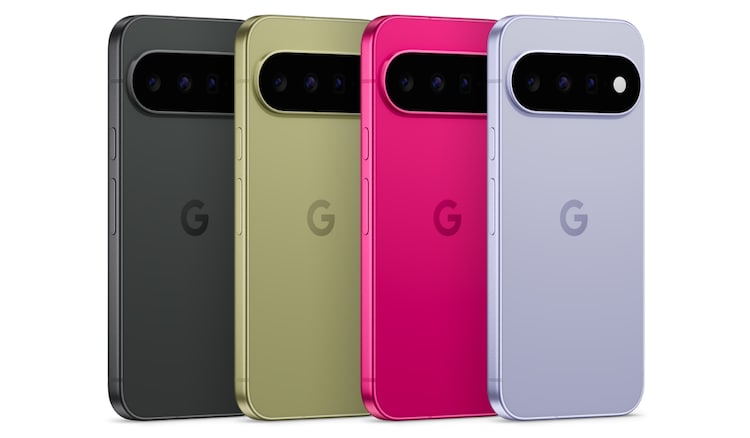
Google’s focus on AI is particularly prominent in the Pixel 11 generation. The company says the new phones are designed around Gemini Intelligence, with AI capable of helping users with everyday tasks, information discovery and other activities.
Pixel 11 camera system gets an upgrade
The Pixel 11 has a triple-camera setup consisting of a 48-megapixel main camera with Macro Focus, a 13-megapixel ultrawide camera and a 10.8-megapixel 5x telephoto camera with optical image stabilisation.
A 10.5-megapixel autofocus camera is positioned on the front.
The camera experience is also supported by Google’s latest AI-powered photography tools.
Google says the Pixel 11 generation introduces major camera improvements, including faster Night Sight and new creative features. The company has also introduced tools such as Magic Capture and Creator Suite to make it easier to capture, edit and organise content.
Connectivity features include 5G, Wi-Fi 6E, Bluetooth 6, NFC and dual-band GNSS with NavIC support.
Pixel 11 Pro targets photography enthusiasts
The Pixel 11 Pro retains a 6.3-inch form factor but upgrades the display to a Super Actua LTPO OLED panel.
It has a 1280 x 2856-pixel resolution and an adaptive refresh rate ranging from 1Hz to 120Hz.
The display can reach 2,400 nits in HDR mode and up to 3,600 nits at peak brightness.
The phone weighs 204 grams and measures 152.7 x 71.9 x 8.4mm.
The Pixel 11 Pro is available in Canyon, Olive, Fog and Obsidian finishes and features Gorilla Glass Victus 2 and IP68 protection.
The Tensor G6 processor powers the phone, with 12GB RAM on the 256GB model and 16GB on the 512GB version.
The battery has a capacity of 4,850mAh, with Google promising more than 30 hours of battery life.
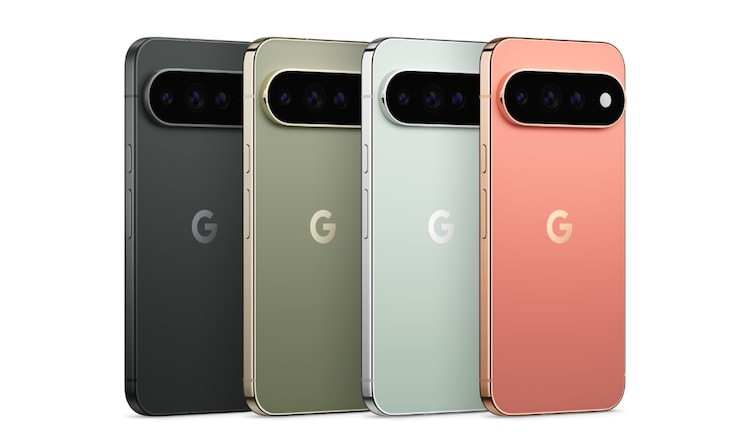
Pro camera system gets more powerful
The Pixel 11 Pro’s biggest advantage over the standard Pixel 11 comes in its camera system.
It features a 50-megapixel main camera, a 48-megapixel ultrawide camera with Macro Focus and a 48-megapixel 5x telephoto camera with optical image stabilisation.
The front camera has a 42-megapixel sensor with autofocus.
Video recording is another major upgrade, with the Pro supporting 8K recording at 24fps and 30fps.
The Pro range also gets Google’s advanced AI-powered camera features, including improved low-light photography and Pro Zoom capabilities. Google says the new Pixel generation brings some of its biggest camera upgrades in years.
Pixel 11 Pro XL brings bigger screen and battery
The Pixel 11 Pro XL is designed for users who want the Pro experience on a larger phone.
It features a 6.8-inch Super Actua LTPO OLED display with a resolution of 1344 x 2992 pixels and a 1Hz-120Hz adaptive refresh rate.
Peak brightness reaches 3,600 nits, while HDR brightness can reach 2,400 nits.
The phone weighs 226 grams and measures 162.7 x 76.5 x 8.5mm.
It is available in the same Canyon, Olive, Fog and Obsidian colour options as the smaller Pro.
The Pro XL also has a larger 5,115mAh battery, making it the better choice for consumers who prioritise screen size and battery capacity.
Google says the phone can achieve up to 75 per cent wired charging in around 30 minutes using a compatible 45W USB-C PPS charger.
The camera hardware is broadly similar to the Pixel 11 Pro, with a 50-megapixel main camera, 48-megapixel ultrawide and 48-megapixel 5x telephoto camera.
The Pro XL supports up to 120x Pro Zoom.
Google’s own comparison information positions the Pixel 11 Pro and Pro XL as offering essentially the same camera and processing experience, with the main differences being screen size and charging capabilities.
Pixel 11 Pro Fold brings an 8-inch display
The Pixel 11 Pro Fold is the most expensive member of the new Pixel family.
It features an 8-inch internal folding display alongside a 6.5-inch cover screen. Both displays use OLED technology with 120Hz refresh rates and peak brightness of up to 3,600 nits.
The foldable is powered by Tensor G6 and comes with 16GB of RAM and 512GB of storage.
It has a 4,750mAh battery.
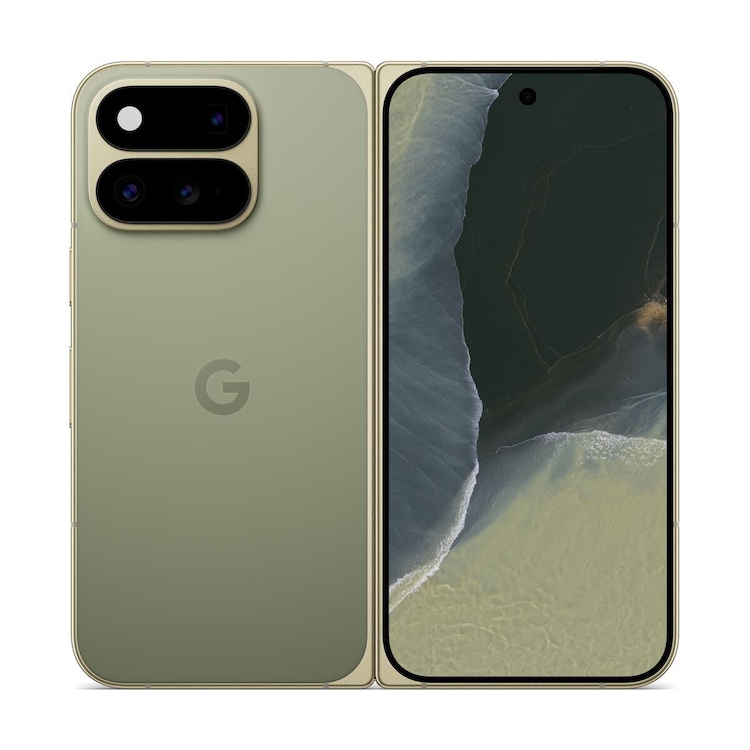
Google has also redesigned the foldable around a thinner and lighter form factor while introducing a new main camera and improved durability.
The rear camera system consists of a 48-megapixel wide camera, a 10.5-megapixel ultrawide camera and a 10.8-megapixel 5x telephoto camera.
Two additional 10-megapixel cameras handle other imaging requirements.
The large internal screen is particularly suited to multitasking. Google positions the Pro Fold as an option for consumers who want tablet-like functionality in a foldable smartphone.
Pixel Watch 5 launches alongside the phones
Google has also launched the Pixel Watch 5, expanding its wearable ecosystem alongside the Pixel 11 phones.
The smartwatch is available in 41mm and 45mm sizes.
Both models use an Actua 360 AMOLED LTPO display with brightness of up to 3,000 nits. The screen can dynamically refresh between 1Hz and 60Hz and supports an always-on display.
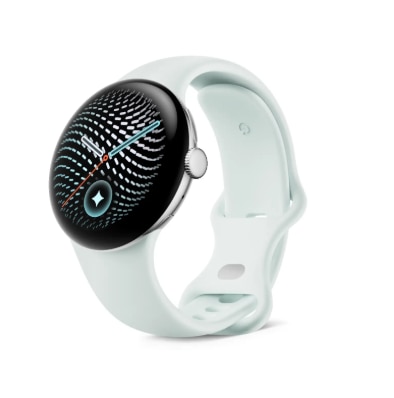
The watch uses recycled aluminium and Gorilla Glass 5, with 5ATM water resistance and an IP68 rating.
The 41mm version weighs 31 grams without the band, while the 45mm version weighs 36.7 grams.
Colour options include Matte Black, Polished Silver and Satin Pyrite, with the smaller model also available in Champagne Gold.
Pixel Watch 5 focuses on AI and health
The Pixel Watch 5 is powered by the Qualcomm Snapdragon W5 Gen 2 Accelerated platform, paired with a Cortex-M55 co-processor.
It runs Wear OS 7 and comes with 64GB of eMMC storage.
The 45mm model has a 465mAh battery rated for up to 40 hours with the always-on display, while the 41mm model has a 332mAh battery rated for up to 30 hours.
Both models support fast charging.
Google is placing a major emphasis on AI and health tracking. The watch brings Gemini-powered assistance, proactive notifications and more advanced fitness features. Google also says the new model delivers its most accurate GPS tracking yet, with improved performance in difficult environments.
The watch includes sensors for heart-rate monitoring, ECG, blood oxygen, skin temperature and body-response tracking.
Google has also introduced Health Guardian features designed to monitor important health trends and provide proactive alerts.
Google expands its AI-first hardware strategy
The Pixel 11 launch shows how Google’s hardware strategy is becoming increasingly tied to artificial intelligence.
Rather than treating AI as an additional software feature, Google is integrating Gemini into phones and wearables at the system level.
The company says Gemini can help users with tasks such as bookings, translations and organising information. New camera features also use AI to automate parts of photography and video creation.
Google is also highlighting security in the Pixel 11 generation, with its custom Tensor G6 processor working alongside a new Titan M3 security chip. The company says the combination provides stronger protection, including measures designed to address future quantum-computing threats.
Conclusion
Google’s Pixel 11 launch gives Indian consumers a significantly expanded flagship lineup, ranging from the Rs 89,999 Pixel 11 to the Rs 1,86,999 Pixel 11 Pro Fold.
The new generation combines brighter displays, Tensor G6 performance, upgraded cameras and larger batteries with Google’s increasingly prominent Gemini AI ecosystem. The Pro models stand out for their more advanced camera systems and 120x zoom, while the Pro Fold offers an 8-inch internal display for users who prioritise multitasking.
The Pixel Watch 5 completes the launch with brighter screens, longer battery life, improved GPS and expanded health and AI capabilities. Google is clearly positioning its latest hardware not simply as a collection of upgraded devices, but as an interconnected AI-first ecosystem.