







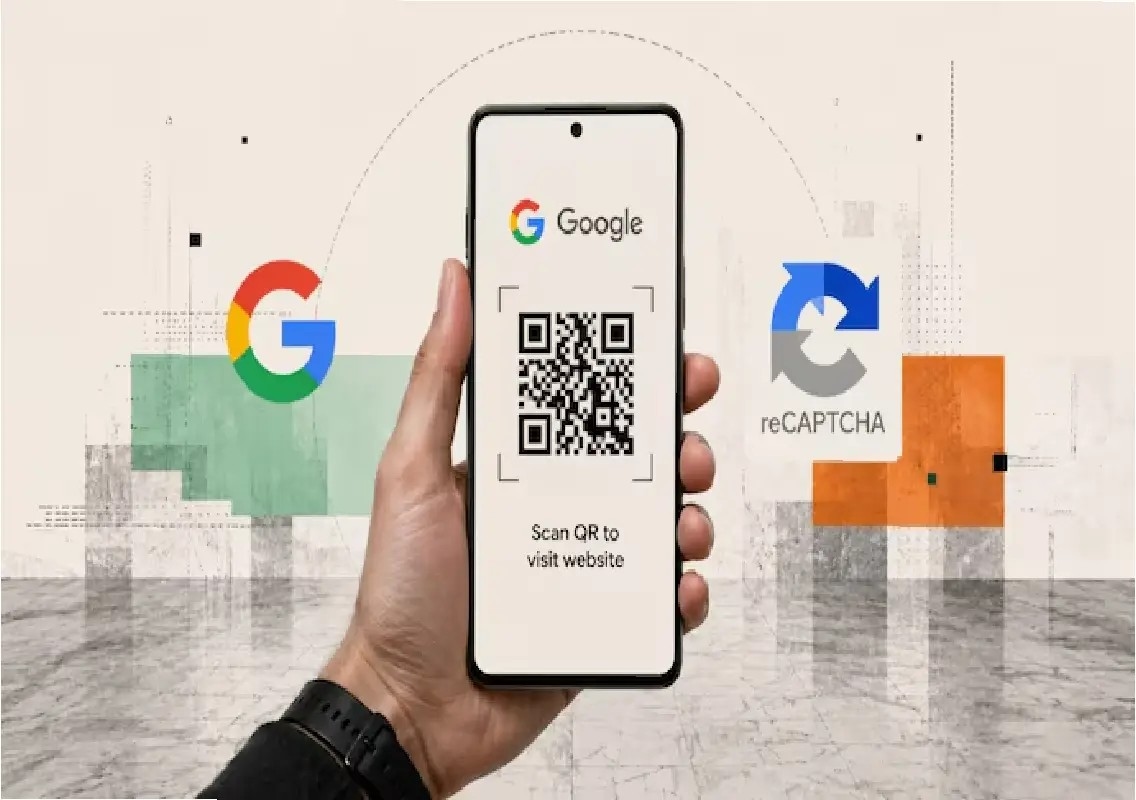


Google is reportedly working on a new QR code-based reCAPTCHA system aimed at replacing traditional image-based human verification tests, but the proposal has already triggered strong criticism over privacy concerns and device tracking fears.
The new system, screenshots of which have surfaced online, could require users visiting websites to scan a QR code using their smartphones instead of selecting images containing bicycles, traffic lights, or crosswalks.
While the move is intended to simplify CAPTCHA verification, critics argue that the system could potentially allow Google to connect website visits directly with users’ mobile devices and Google Play Services accounts.
QR-based verification may replace image CAPTCHAs
According to screenshots shared on online forums and social media platforms, the proposed reCAPTCHA system would ask users to scan a QR code displayed on a website.
The verification process would reportedly depend on:
- Google Play Services on Android devices
- A dedicated reCAPTCHA application for iPhones
A support page screenshot circulating online suggests Android users would require Google Play Services version 25.41.30 or later to complete the verification process.
The new approach is seen as an attempt to reduce user frustration associated with traditional image-based CAPTCHA systems.
Privacy concerns trigger backlash
Despite promises of convenience, the proposal has sparked widespread concern among privacy advocates and users.
Critics argue that linking CAPTCHA verification with smartphones could effectively allow Google to associate web browsing activity with individual devices.
This concern has intensified because Android devices running Google Play Services are generally linked to a Google account.
As a result, users fear the new verification method could:
- Track browsing behaviour more closely
- Connect website visits with mobile device identities
- Increase dependence on Google’s ecosystem
Although there is currently no evidence that websites themselves would receive personal device information, concerns remain about the extent of data potentially accessible to Google.
Millions of websites use reCAPTCHA
Industry reports suggest that more than 53 lakh companies worldwide currently use Google reCAPTCHA services to protect websites from bots and spam activity.
If implemented widely, the QR-based verification system could affect millions of internet users globally.
Technology observers note that the move may significantly increase Google’s role in identity verification across the web.
De-Googled phones may face issues
The proposed system has also raised concerns among users of privacy-focused Android devices running custom operating systems such as GrapheneOS and other “de-Googled” ROMs.
These systems intentionally remove:
- Google Play Services
- Google applications
- Google tracking frameworks
Under the proposed QR verification method, such devices may reportedly fail human verification checks entirely.
Critics argue this could make internet access more difficult for users who intentionally avoid Google services for privacy or security reasons.
iPhone users may need separate app
Reports suggest Apple iPhone users may need to install a separate reCAPTCHA application to complete the QR verification process.
Unlike Android devices, iPhones do not rely on Google Play Services by default.
The requirement for additional apps and QR scanning has led some users to question whether the new system would actually be simpler than existing CAPTCHA methods.
Google yet to officially clarify system
Google has not yet officially explained how the proposed QR-based reCAPTCHA system would function or whether it will be rolled out globally.
However, reports suggest the company may have been testing or developing the concept since late 2025.
Archived internet records reportedly showed references to mobile verification requirements linked to Google Play Services versions as early as October last year.
Debate grows over online privacy
The controversy has reignited broader discussions surrounding:
- Digital privacy
- Online tracking
- Big Tech data collection
- User authentication systems
While CAPTCHA systems are designed to protect websites from bots and cyber abuse, privacy advocates warn that stronger verification tools should not come at the cost of increased user surveillance.
For now, the proposed QR verification system remains under discussion, with many users awaiting further clarification from Google regarding data handling, privacy safeguards, and compatibility.