







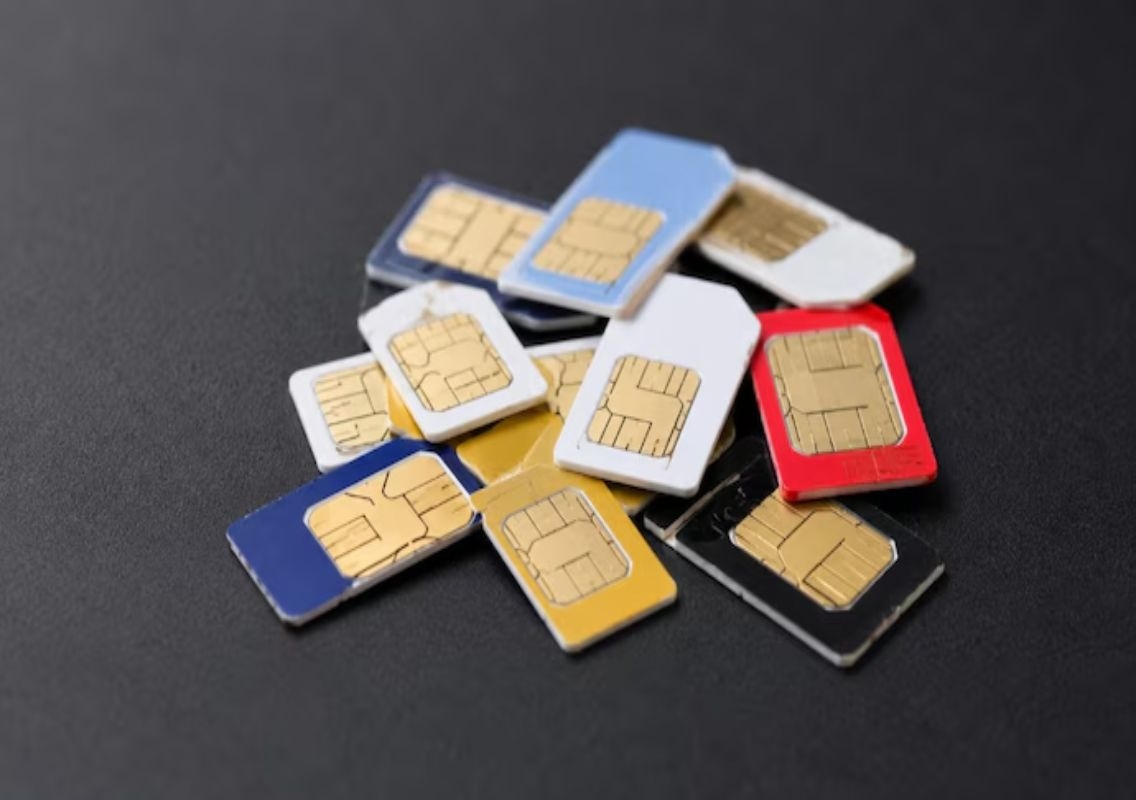


New Delhi: The Indian government has reminded citizens that there is a limit on the number of mobile connections that can be registered in one person’s name. Consumers can check the mobile numbers issued against their identity through the government’s Sanchar Saathi portal, helping them identify connections they may no longer use or that they did not authorise.
The facility is particularly useful for people who have accumulated several SIM cards over the years, changed mobile operators or forgotten about older connections. It can also help consumers flag mobile numbers that appear to have been issued using their identity without their knowledge.
According to the Department of Telecommunications (DoT), subscribers are generally permitted to have a maximum of nine mobile connections in their name across all telecom operators in India. The limit is lower in certain regions because of specific security-related rules. In Jammu and Kashmir, Assam and parts of the North Eastern states, the maximum is six connections.
The government has provided an online system that allows subscribers to see the connections linked to their identity and take action if any number is unfamiliar.
How many SIM cards can one person have?
Under India’s telecom rules, an individual can generally have up to nine mobile connections registered in their name.
However, the limit is six for subscribers in Jammu and Kashmir, Assam and certain North Eastern states.
The limit applies across telecom service providers rather than being a separate allowance for every operator.
This means a subscriber cannot have nine SIM cards with one telecom company and another nine with a different company under the same identity.
The rule is intended to prevent misuse of mobile connections and strengthen accountability around SIM-card ownership.
Having a large number of connections is not necessarily an indication of wrongdoing, as some consumers may legitimately use multiple numbers for personal, professional or other purposes.
However, consumers are encouraged to ensure that every connection registered in their name is known to them.
What is the Sanchar Saathi portal?
The Sanchar Saathi initiative was launched by the Department of Telecommunications to provide citizens with tools related to mobile connections and telecom security.
One of its facilities allows users to find out how many mobile connections have been issued in their name.
The service can be accessed online using a mobile number and identity verification process. (indiatoday.in)
The portal displays mobile connections associated with the subscriber’s identity, allowing users to review the list.
If a consumer finds a number that does not belong to them, the portal provides options to report it.
This makes the facility useful not only for checking the number of SIM cards but also for identifying potentially unauthorised mobile connections.
How to check SIM cards registered in your name
Consumers can check their registered mobile connections through the Sanchar Saathi website.
The process is relatively straightforward:
- Open the Sanchar Saathi portal.
- Select the facility for checking mobile connections issued in your name.
- Enter your active mobile number.
- Complete the required CAPTCHA or verification step.
- Request the OTP sent to your mobile number.
- Enter the OTP to verify your identity.
- The portal will display the mobile connections associated with your identity.
The list allows subscribers to compare the numbers shown on the portal with the SIM cards they currently use.
If all the numbers are familiar, no further action is normally required.
If an unfamiliar number appears, consumers should use the reporting facility provided on the portal.
What if you find an unknown SIM card?
The Sanchar Saathi system allows subscribers to report mobile connections that they do not recognise.
After reviewing the list, users can indicate that a particular connection is not theirs or that they no longer require it, depending on the available options.
The telecom authorities can then take appropriate action to verify the connection.
Consumers should not ignore an unfamiliar number simply because they are not currently receiving calls or messages from it.
A mobile connection registered under another person’s identity can create potential complications if it is used for fraudulent or unlawful activities.
Reporting such a connection helps ensure that the subscriber’s identity is not unnecessarily linked to a number they do not control.
Why checking your SIM connections is important
A mobile number is increasingly connected to important digital services.
SIM cards can be linked to bank accounts, payment applications, social media accounts, government services and other online platforms.
Because mobile numbers are also frequently used for OTP-based authentication, maintaining control over numbers registered in one’s name is important.
An unauthorised connection can potentially be misused for scams, impersonation or other fraudulent activities.
Regularly checking the numbers linked to your identity can therefore be viewed as a basic digital-security precaution.
It is especially useful for people who have changed their phone numbers several times or surrendered old SIM cards without checking whether the corresponding connection was properly disconnected.
What happens when you exceed the limit?
The telecom framework places restrictions on the number of connections that can be issued to a single subscriber.
If a person has more connections than the permitted limit, the Department of Telecommunications can take steps to identify and disconnect connections beyond the permissible number.
The rules are designed to ensure that telecom connections remain traceable to genuine users.
Consumers who have multiple SIM cards should therefore review their connections and surrender numbers they no longer need.
This can also prevent old numbers from remaining unnecessarily associated with their identity.
SIM cards and identity misuse
One of the key concerns behind India’s SIM-card regulations is the possibility of identity misuse.
When a mobile connection is obtained using someone’s identity documents, the subscriber information can potentially be used to trace activity associated with that number.
If the person whose identity was used did not actually obtain the connection, they could nevertheless face questions if the number is involved in suspicious activity.
The Sanchar Saathi system gives consumers a way to identify such connections and notify authorities.
This is particularly relevant in an environment where digital fraud and impersonation scams have become increasingly sophisticated.
What is Sanchar Saathi used for?
The Sanchar Saathi platform offers several telecom-related services beyond checking mobile connections.
It has been developed as a citizen-focused initiative to improve telecom security and help consumers manage connections associated with their identities.
The platform has also been associated with services designed to help users deal with lost or stolen mobile devices and report suspicious telecom-related activity.
For consumers, the ability to check SIM connections is one of the simplest ways to gain visibility into how their identity is being used within the telecom system.
Keep old SIM cards under control
People often accumulate SIM cards for different reasons.
Some may use separate numbers for work and personal communication, while others may purchase temporary connections when travelling or using a particular service.
Over time, old numbers can be forgotten.
Simply stopping the use of a SIM card does not necessarily mean consumers should assume that the connection has automatically disappeared from their records.
Subscribers should therefore make sure unwanted connections are properly surrendered or deactivated.
Checking the Sanchar Saathi portal periodically can provide a clearer picture of which numbers remain linked to their identity.
A useful check after changing mobile numbers
Consumers who recently switched telecom operators or changed their mobile numbers should also consider reviewing their registered connections.
Mobile number portability allows users to move between operators while retaining their number, but people may also obtain new connections during the process.
A review can help consumers ensure that their current list of numbers matches their actual usage.
It can also help identify old connections that are no longer required.
This is particularly useful for people who have used several telecom operators over many years.
Be careful with OTPs
While checking or managing telecom connections online, consumers should also follow basic security precautions.
The OTP used for verification should never be shared with another person.
Users should access the service through the official Sanchar Saathi platform rather than clicking on links received through unsolicited SMS messages, emails or social media posts.
Fraudsters sometimes impersonate government services to obtain OTPs or personal information.
Consumers should therefore verify that they are using the official government service before entering sensitive information.
What users should do now
If you have used multiple SIM cards over the years, checking your registered connections is a simple step worth taking.
First, review the numbers displayed against your identity.
Next, identify any number that you do not recognise.
If you find an unfamiliar connection, report it through the appropriate option on the Sanchar Saathi portal.
If you find an old number that you no longer use, consider taking the necessary steps to surrender or deactivate it.
Keeping the list accurate reduces the number of active connections associated with your identity and can help prevent potential misuse.
Conclusion
The government has reminded consumers that the number of mobile connections an individual can hold is subject to a prescribed limit. In most parts of India, the maximum is nine SIM connections per individual, while the limit is six in Jammu and Kashmir, Assam and certain North Eastern states.
Consumers can check the mobile numbers registered in their name through the government’s Sanchar Saathi portal. The service allows users to review their connections and report numbers they do not recognise.
The check is particularly useful for people who have changed numbers frequently, accumulated multiple SIM cards or surrendered old connections. Keeping telecom records up to date can reduce the risk of identity misuse and ensure that unwanted numbers are not left associated with a person’s identity.