







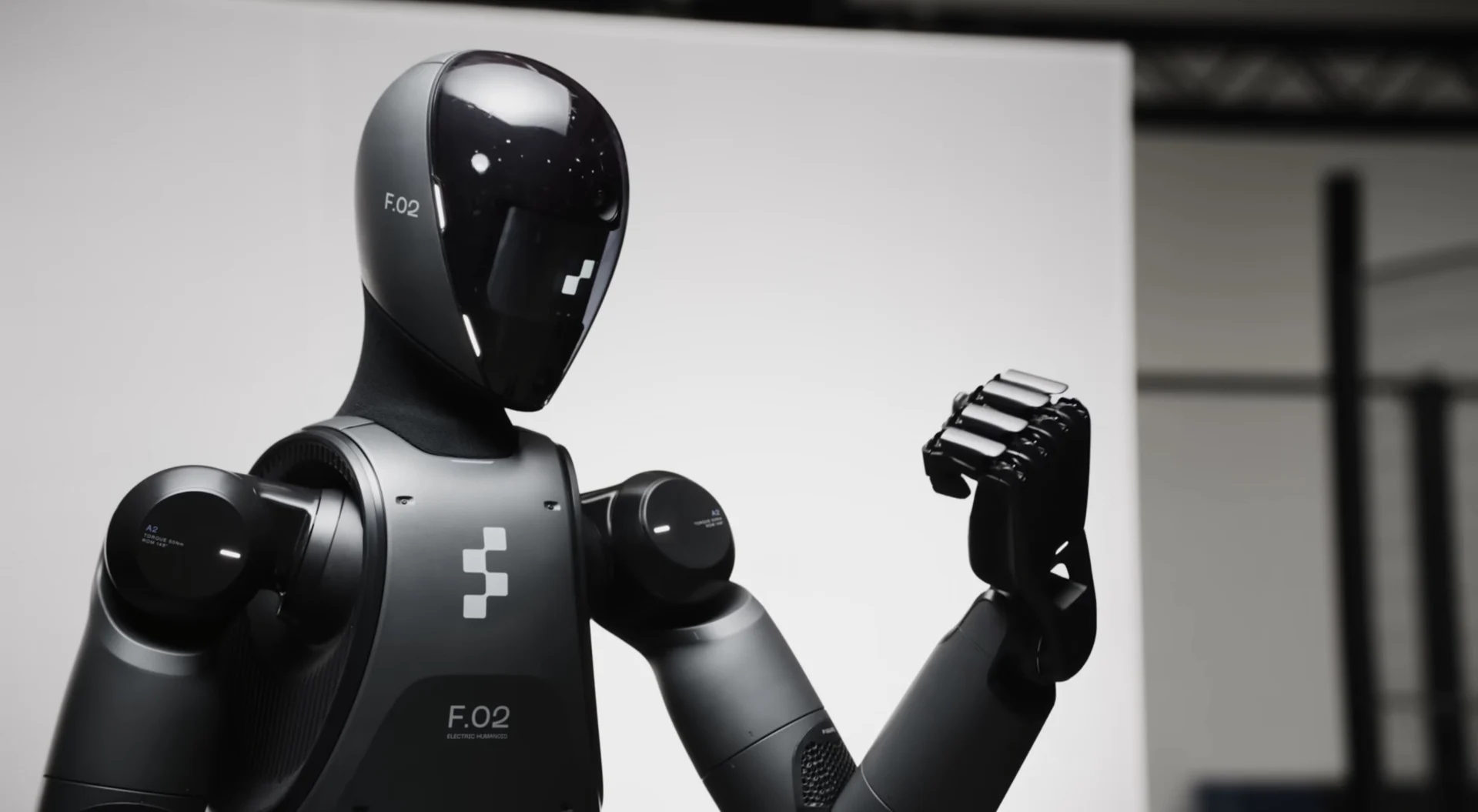


Fresh demonstrations and a high-profile lawsuit have reignited debate over the real-world strength and safety of humanoid robots, raising questions about how much risk robot makers should disclose as the technology moves closer to everyday use.
Lawsuit targets Figure AI humanoid
US-based robotics firm Figure AI is facing a lawsuit from former safety engineer Robert Gruendel, who alleges that internal testing showed the company’s Figure 02 humanoid robot was powerful enough to “fracture a human skull”.
According to the complaint, Gruendel raised safety concerns internally and was later terminated. Figure AI has strongly denied the allegations. In a statement to CNBC, a company spokesperson said Gruendel was dismissed due to “poor performance” and rejected claims that the robot posed such extreme danger.
Neither Gruendel nor his legal representatives have commented further, and the case is still in its early stages. However, the lawsuit has intensified scrutiny of how much force advanced humanoid robots can generate — and how such information is communicated to regulators and the public.
Viral robot demo fuels concern
At the same time, a video from China has added fuel to the debate. The chief executive of Engine AI was knocked to the ground by the company’s T800 humanoid robot during a public demonstration.
Although the CEO was reportedly wearing protective padding and the incident was staged, the footage went viral, largely because the robot shares its name with the fictional killer robot from the Terminator films. Observers noted that it was difficult to determine from the video how much force the robot actually used.
Why robot strength is hard to measure
Experts say figures such as torque, lifting capacity or actuator power do not translate neatly into how dangerous a robot could be to a human. Impact force depends on speed, mass, control software, and how the robot reacts to resistance or unexpected contact.
This makes it challenging for outsiders — including policymakers — to assess risk based on technical specifications alone.
Calls for greater transparency
Together, the Figure AI lawsuit and the Engine AI demonstration have prompted calls for clearer safety disclosures from humanoid robot developers. As these machines are designed to work around humans, critics argue that companies should be more open about worst-case scenarios, fail-safes, and physical limits.
While supporters of the industry caution against overreaction, the incidents underline a growing reality: as humanoid robots become more capable, understanding — and regulating — their strength may become just as important as showcasing their intelligence.