







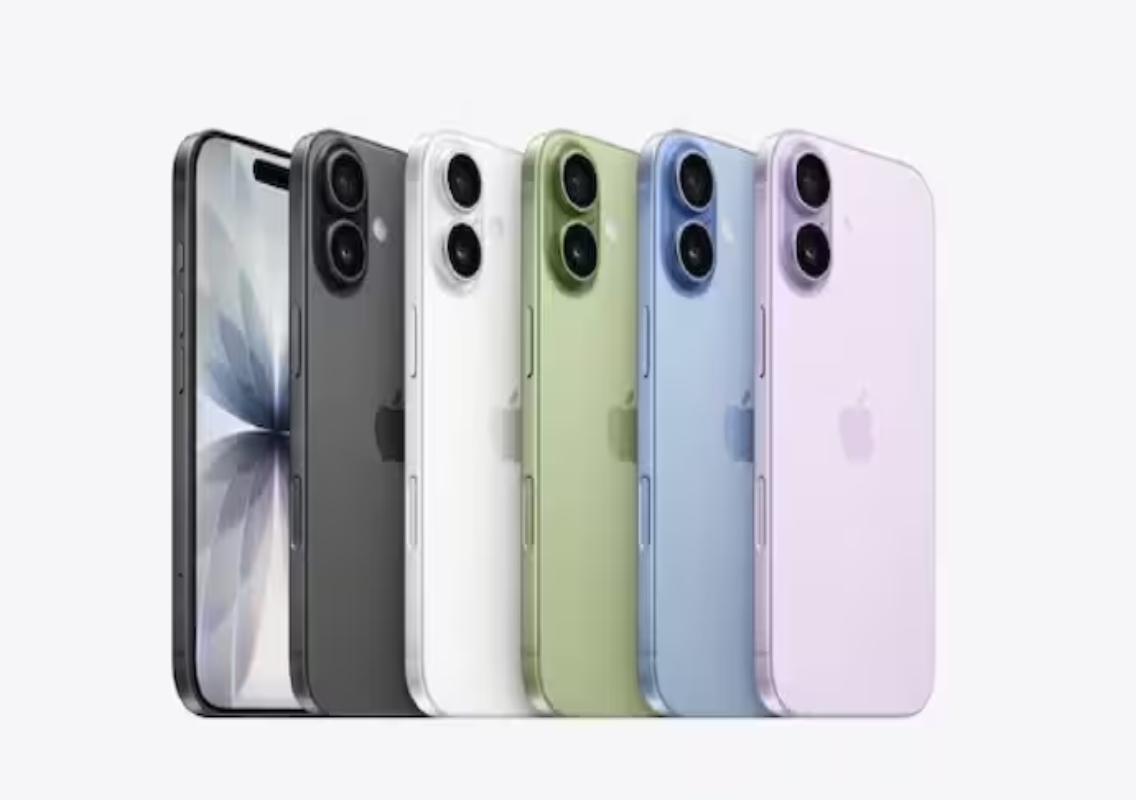


New Delhi: Apple’s iPhone 17 is set to receive a major price cut during Flipkart’s upcoming Big Billion Days sale, with the 256GB model listed at ₹84,999. The offer brings the smartphone close to its original launch price in India and puts it ₹15,000 below its current official price of ₹99,900.
The Flipkart Big Billion Days sale begins on October 9, while eligible Flipkart Plus, Black and credit card customers will get early access from October 8. Additional bank and exchange benefits could reduce the effective price further, although eligibility and the final payable amount will depend on the terms of those offers.
The iPhone 17 was originally launched in India at ₹82,900. Apple later increased its official price to ₹99,900. Flipkart’s announced sale price of ₹84,999 is therefore only ₹2,099 higher than the phone’s original launch price.
iPhone 17 sale price and additional offers
The headline Flipkart price for the iPhone 17 during the Big Billion Days sale is ₹84,999. Buyers using eligible ICICI Bank and Axis Bank credit cards can receive an additional ₹2,000 discount, according to the sale details reported by India Today.
There is also a ₹3,000 exchange bonus for eligible customers. When the listed offers are combined, Flipkart gives an effective price of ₹79,999. However, this figure depends on the buyer qualifying for both the bank offer and exchange benefit, so it should not be treated as the universal purchase price.
The sale is scheduled to run from October 9, with early access beginning on October 8 for eligible customers. Buyers planning to use an exchange offer will also need to meet Flipkart’s applicable exchange conditions.
For comparison, the regular price of the 256GB iPhone 17 is currently ₹99,900 in India. This means the advertised sale price represents a ₹14,901 reduction from the current official price, while the additional offers could bring the effective cost below the phone’s original launch price.
Why memory prices could affect smartphones
The second factor highlighted in the report is the broader memory-chip market.
Memory components have become more expensive as demand from artificial intelligence infrastructure grows. AI data centres require substantial quantities of high-bandwidth memory, or HBM, and manufacturers are increasing production to meet that demand.
HBM and conventional DRAM use the same wafer capacity. As chipmakers allocate more production capacity towards HBM for AI-related applications, less capacity can be available for conventional memory used in smartphones, computers and other consumer electronics. This can contribute to higher component costs.
Micron chairman and CEO Sanjay Mehrotra has said memory demand is expected to remain above supply through 2027 and 2028. He also indicated that the company had already sold most of the memory it expected to produce in the following year and warned that customers could face substantially higher prices.
These comments do not establish that Apple’s iPhone 17 price will definitely increase after the Flipkart sale. Rather, they point to broader supply and cost pressures that could influence smartphone pricing in the coming years.
Smartphone prices have already increased
The memory market is already having an impact on the wider smartphone industry.
According to Counterpoint Research figures cited in the India Today report, the average selling price of smartphones in India increased by 16 per cent during the first half of 2026. The average smartphone selling price reached $318 in the second quarter.
The increase reflects broader changes in the smartphone market rather than being specific to Apple. Component costs, premiumisation and demand for more advanced hardware can all affect average selling prices.
For consumers, the development means that promotional prices during major festive sales can differ significantly from manufacturers’ regular prices.
What the iPhone 17 offer means for buyers
The Flipkart deal puts the iPhone 17 much closer to the price at which Apple originally introduced it in India.
At ₹84,999, the phone is ₹14,901 cheaper than its current ₹99,900 official price. With the eligible ₹2,000 bank discount and ₹3,000 exchange bonus, the advertised effective price can fall to ₹79,999.
However, buyers should distinguish between the headline sale price and the effective price after additional benefits. The bank discount requires an eligible card transaction, while the exchange bonus depends on the customer’s device and the applicable exchange terms.
The sale price is also time-limited. Once the Big Billion Days promotion ends, the iPhone 17 could return to its regular ₹99,900 price, although the exact post-sale pricing will depend on Apple’s and retailers’ future offers.
The wider memory shortage adds another consideration for shoppers. Industry forecasts suggest memory supply could remain tight through the next few years, but that does not guarantee a specific price movement for the iPhone 17.
For customers who are already planning to purchase the iPhone 17, the announced ₹84,999 price therefore represents a substantial reduction from its current official price. The additional offers could lower the effective cost further for eligible buyers.