







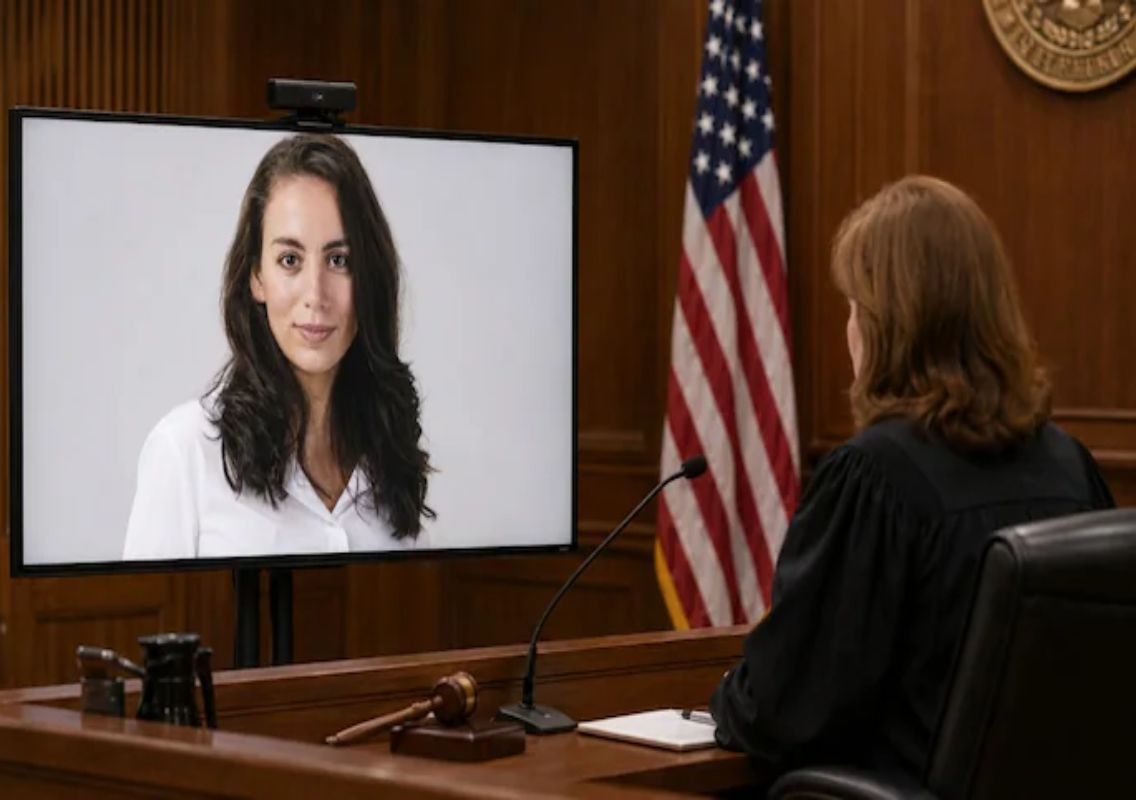


San Francisco: A high-profile court case involving Elon Musk and Sam Altman has taken a dramatic turn, with key testimonies from Mira Murati and Shivon Zilis shedding light on leadership concerns, internal tensions, and the evolving direction of OpenAI.
The testimonies, part of Musk’s lawsuit, have raised questions about transparency within OpenAI, the influence of Microsoft, and strategic decisions such as the launch of ChatGPT.
Murati raises concerns over Altman’s leadership
In a video deposition, Mira Murati, who briefly served as interim CEO during the 2023 leadership crisis known as “the blip,” alleged that Sam Altman was not always transparent in his dealings.
Murati stated that Altman sometimes withheld important information and created confusion by communicating inconsistently with different members of the leadership team.
“My concern was about Sam saying one thing to one person and completely opposite to another person,” she said, describing the work environment as unpredictable.
She further claimed that her role as chief technology officer was undermined in 2023, with internal competition among senior leaders affecting collaboration.
When asked directly about Altman’s honesty, Murati responded, “Not always,” adding that management challenges made her role particularly difficult in a complex organisation.
Microsoft’s role during leadership crisis
Murati’s testimony also touched on the role of Microsoft, a major partner and investor in OpenAI, during Altman’s brief ouster.
According to her, Microsoft maintained a neutral public stance and did not directly influence the board’s decision to remove or reinstate Altman.
She revealed that Microsoft had secured an exclusivity window of six to twelve months to commercially utilise OpenAI’s technology before wider release. This arrangement allowed the company to integrate the technology into its products and gain a competitive advantage.
Murati confirmed that despite the turmoil, Microsoft continued supporting OpenAI and did not orchestrate employee actions, including a widely reported petition demanding Altman’s return.
Zilis discusses relationship with Musk
Later in the proceedings, Shivon Zilis provided personal and professional insights, including details about her relationship with Elon Musk and her early involvement with OpenAI.
Zilis explained that her relationship with Musk began casually around 2020–21 and evolved over time. She also spoke about her decision to have children with Musk, citing personal health challenges and her desire for motherhood.
Professionally, Zilis said she played an advisory role at OpenAI from 2016, often acting as a bridge between key stakeholders to ensure communication and alignment.
She acknowledged sharing summary notes of discussions with OpenAI co-founders with Musk but said she had no reason to doubt their commitment to the organisation’s original nonprofit mission.
Concerns over ChatGPT launch
Zilis also highlighted concerns within OpenAI’s board regarding the launch of ChatGPT, which she said occurred without sufficient prior communication.
“The entire board had voiced extreme concern about that whole massive thing happening without any semblance of prior communication,” she testified.
The sudden release of ChatGPT, which quickly gained global traction, reportedly caught several stakeholders off guard and raised questions about internal decision-making processes.
Musk’s past proposals for OpenAI
During cross-examination, Zilis revealed that Musk had previously suggested integrating OpenAI with Tesla in 2017 as a way to address funding challenges.
According to her testimony, Musk believed such a move could slow the pace of artificial general intelligence (AGI) development, allowing more time to ensure safety.
She also noted that Musk had expressed concerns about OpenAI potentially deviating from its original mission, particularly if its structure or goals changed over time.
Broader implications for AI governance
The case has brought renewed attention to governance and accountability in leading AI organisations. Issues such as leadership transparency, corporate partnerships, and the balance between innovation and oversight have come into sharp focus.
The involvement of major industry figures and companies underscores the high stakes surrounding AI development and its future direction.
Conclusion
The testimonies of Mira Murati and Shivon Zilis have added new dimensions to the ongoing legal battle, highlighting internal challenges within OpenAI and differing perspectives on its leadership and strategy.
As the case continues, it is likely to influence broader discussions on AI governance, corporate responsibility, and the role of major technology firms in shaping the future of artificial intelligence.