









San Francisco: Nvidia CEO Jensen Huang has said that artificial intelligence skills are becoming a critical requirement for job seekers, warning that he would not hire college graduates who lack basic understanding of AI tools.
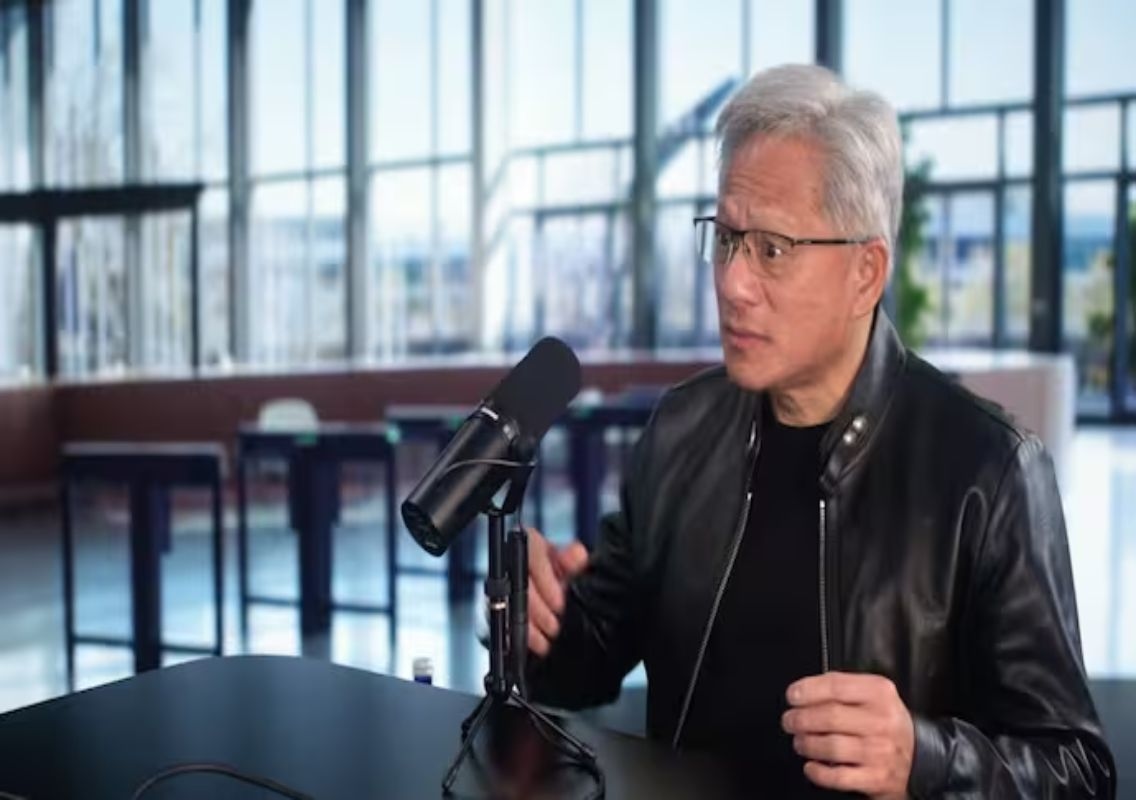
Speaking on the Lex Fridman Podcast, Huang emphasised that proficiency in AI is no longer optional but essential across professions. He stated that when choosing between two candidates with similar qualifications, he would always prefer the one who is skilled in using AI.
“If we were to hire a new college graduate today, and I have a choice between two, one that has no clue what AI is and one that is expert in using AI, I would hire the one who’s expert in using AI,” Huang said during the discussion.
AI becoming a universal workplace skill
Huang argued that artificial intelligence is rapidly transforming how work is done and will soon become as fundamental as basic computer literacy. He suggested that every student graduating from college should aim to become “an expert in AI”, regardless of their field.
According to him, AI is not limited to technology roles but will impact a wide range of professions, including:
- Marketing
- Accounting
- Law
- Customer service
- Supply chain management
- Sales
He noted that the ability to effectively use AI tools will significantly improve productivity and decision-making in these areas.
Automation changing tasks, not jobs
While highlighting the growing importance of AI, Huang also addressed concerns about widespread job losses. He explained that people often confuse the purpose of a job with the tasks involved in it.
AI, he said, is more likely to automate repetitive or time-consuming tasks rather than eliminate entire professions. This means that human roles will evolve rather than disappear.
To illustrate this point, Huang referred to the example of radiologists. In the past, there were predictions that advances in AI-powered imaging would make radiologists obsolete. However, this has not happened.
Instead, AI tools are now being used to assist radiologists by improving accuracy and efficiency, allowing them to focus on more complex aspects of patient care.
AI reshaping future careers
Huang’s remarks come at a time when AI adoption is accelerating globally, with businesses integrating automation into everyday operations. Companies are increasingly looking for employees who can work alongside AI systems and leverage them effectively.
He warned that individuals who do not adapt to this shift may struggle to remain competitive in the job market. As AI takes over routine tasks, the demand for workers who can supervise, interpret and enhance AI-driven processes is expected to grow.
At the same time, Huang stressed that AI should be viewed as a tool that enhances human capability rather than replaces it entirely. He encouraged students and professionals alike to embrace the technology and continuously upgrade their skills.
Conclusion
The message from Nvidia’s CEO is clear: AI literacy is quickly becoming a baseline requirement for employability. As industries evolve, those who understand and utilise AI tools are likely to have a significant advantage in the workforce, while those who ignore the shift risk being left behind.