







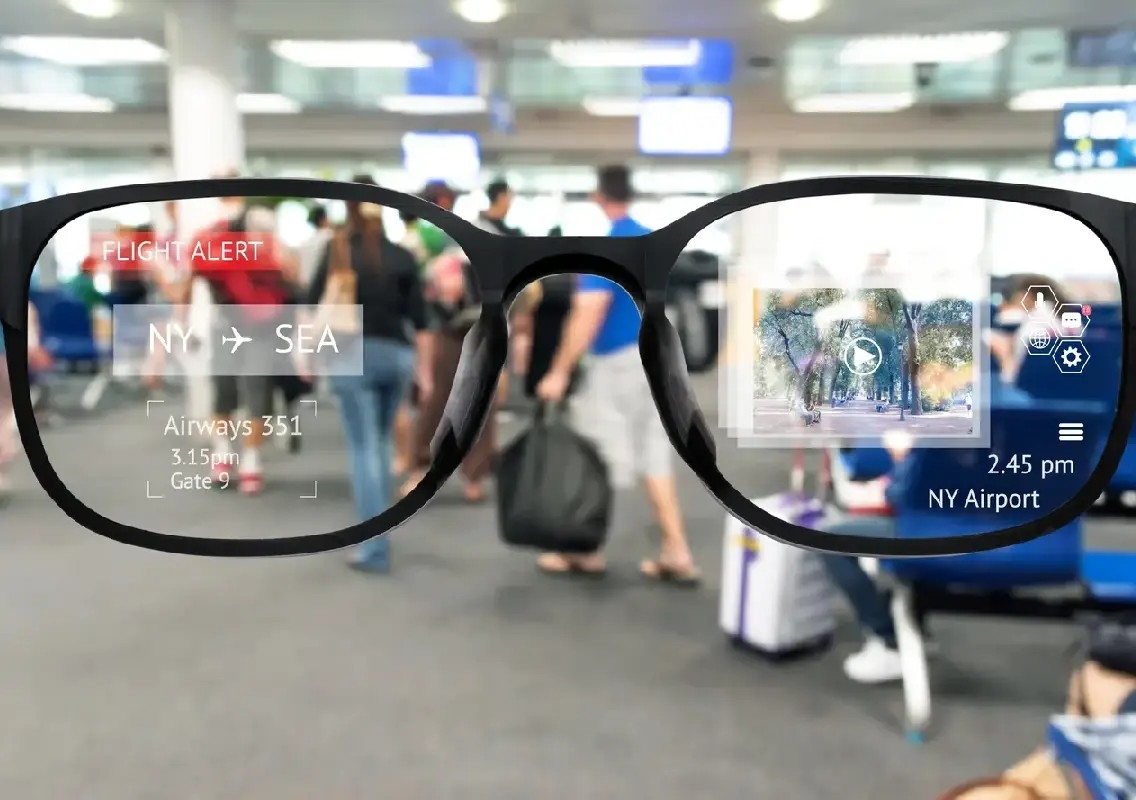


The growing use of artificial intelligence-powered smart glasses in workplaces is raising new questions around employee rights, disability accommodations, privacy and the collection of sensitive information.
As the technology becomes more affordable and increasingly popular among consumers, employers may choose to ban smart glasses, allow employees to use personal devices, provide company-owned devices or consider requests to use them as reasonable accommodations.
Smart glasses could become workplace accommodations
Employees with disabilities may request smart glasses to help overcome workplace limitations. A recent case involving a Walt Disney World employee illustrates the legal questions such requests can create.
In Bruno Cedeno v. Walt Disney Parks and Resorts U.S., Inc., an employee alleged that light sensitivity associated with postpartum conditions and astigmatism affected her vision and that her healthcare provider prescribed Meta smart glasses. She alleged that Disney prevented her from wearing the glasses and brought claims under the Americans with Disabilities Act. The case remains pending.
Employers are advised to document the interactive process, understand an employee’s limitations and assess whether the requested technology is effective and reasonable.
Privacy risks grow with AI-powered devices
Smart glasses can also create privacy concerns because cameras and AI systems may capture, retain or analyse information about people nearby.
The source highlights a reported Meta AI feature called “NameTag”, which was designed to recognise people captured by smart-glasses cameras and match faces with biometric signatures stored on a user’s phone. Meta later removed the software components that would have enabled the feature.
Such developments highlight concerns over recording, facial recognition and biometric information in workplaces.
Employers urged to review policies
Organisations using or allowing smart glasses should consider what information devices collect, how it is stored, who can access it and how long it is retained.
Employers should also review existing policies covering artificial intelligence, recording devices, cameras, surveillance, wearable technology, confidentiality and privacy.
The issue is particularly important in workplaces handling sensitive financial or health information, where unauthorised recording or disclosure could create additional risks.
As AI-enabled wearable technology continues to develop, employers may need to balance innovation with employee rights, workplace safety and privacy obligations.