


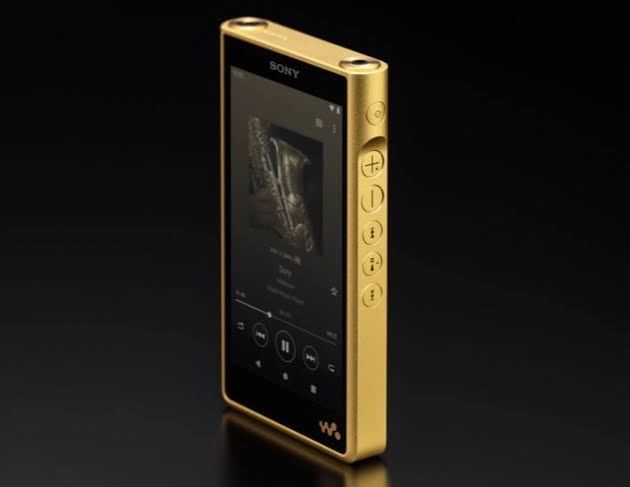


Tokyo: Sony is taking its iconic Walkman brand into ultra-premium territory with a new generation of high-end portable music players, led by the NW-WM1ZM3, a device priced at around Rs 5.6 lakh in the US. The premium model combines specialised audio circuitry, gold-plated oxygen-free copper construction and high-end wiring in a product designed for listeners seeking a more refined portable audio experience.
The NW-WM1ZM3 is scheduled to launch in Japan on November 27, according to the company. Its Japanese price is 655,000 yen, equivalent to approximately $4,440 or Rs 4.2 lakh. US pre-orders, meanwhile, are listed at $5,900, or around Rs 5.6 lakh.
The price places the device well above conventional portable music players and makes it comparable in cost to some entry-level cars in India. Sony is also introducing two less expensive models, the NW-WM1AM3 and NW-ZX900, aimed at buyers who want premium audio hardware at different price points.
The new lineup highlights how the Walkman has evolved from an affordable cassette player into a specialised digital audio product aimed at enthusiasts willing to pay a premium for sound quality, materials and engineering.
Why does Sony’s premium Walkman cost so much?
The NW-WM1ZM3’s high price reflects its construction and internal audio components rather than simply its ability to play music. Sony has used specialised materials and circuitry intended to reduce unwanted electrical noise and improve the reproduction of audio signals.
One of the device’s defining features is its rear chassis, made from gold-plated oxygen-free copper. Sony says the material offers electrical properties that can help improve the transmission of audio signals and preserve fine details in music.
The company has previously used gold-plated copper for the main chassis of its premium Walkman models. In the NW-WM1ZM3, Sony has extended the treatment to the screws as well, with the stated aim of reducing noise.
Copper’s electrical conductivity is higher than aluminium’s, making it a useful material in electrical applications. However, the audible benefits of a particular chassis material depend on the complete design of the device, and claims of improved sound should not be interpreted as a guarantee that every listener will notice a difference.
The premium construction is therefore part of Sony’s attempt to distinguish its flagship player from mainstream portable music devices.
Dual capacitors designed for power stability
Another feature of the NW-WM1ZM3 is its dual-capacitor arrangement.
Capacitors are electronic components used to store and release electrical energy. In audio equipment, their design and placement can affect how power is supplied to different parts of a circuit.
Sony says the dual-capacitor setup is intended to improve power delivery and support smoother transitions between high and low frequencies. The objective is to provide stable electrical performance when music contains rapidly changing signals.
Such design choices are particularly relevant to high-end audio equipment, where manufacturers focus on reducing noise and maintaining consistent signal processing.
The actual listening experience, however, also depends on the headphones used, the quality of the source recording, the audio format and the listening environment.
Streaming music gets an analogue-style treatment
A notable addition to the new flagship model is its ability to apply Sony’s DSD Remastering Engine to streamed music. The feature was previously available for downloaded music, according to the supplied product information.
Digital music is stored as numerical data and converted into an analogue electrical signal before reaching headphones or speakers. Sony’s processing technology is intended to reshape the digital audio data to deliver a listening experience closer to what the company describes as the original recording.
The DSD Remastering Engine is part of Sony’s wider approach to high-resolution audio. The company has also equipped the three new Walkman models with its S-Master HX digital amplifier technology.
These features are designed to appeal to listeners who prioritise audio fidelity and want greater control over how music is reproduced.
It is worth distinguishing the company’s intended benefits from a universal improvement in sound quality. The effect of digital processing can vary with the recording, playback settings and the listener’s equipment.
High-end wiring and Native DSD support
Sony’s Signature Series Walkman models also feature Kimber Kable wiring, which the company uses as part of its premium audio design.
All three models support the Native DSD format. DSD, or Direct Stream Digital, is a digital audio format used in certain high-resolution recordings and is distinct from conventional PCM formats used by most digital music files.
Support for Native DSD allows compatible recordings to be played in their intended format, subject to the device’s supported specifications and playback settings.
The combination of specialised wiring, digital amplification and format support is intended to make the new models attractive to audio enthusiasts who maintain high-quality music libraries or subscribe to streaming services offering high-resolution audio.
However, the availability of a high-resolution format does not automatically mean that every track will sound better. The quality of the original recording and the rest of the playback chain remain important.
Sony launches three premium Walkman models
The new lineup includes three models at different price points. The NW-WM1ZM3 sits at the top, while the NW-WM1AM3 and NW-ZX900 provide alternatives for buyers with lower budgets.
| Model | Japan price | US price | Approximate Indian equivalent |
|---|---|---|---|
| NW-WM1ZM3 | ¥655,000 | $5,900 pre-order | Rs 5.6 lakh |
| NW-WM1AM3 | ¥347,000 | $2,999.99 | Rs 2.85 lakh |
| NW-ZX900 | ¥215,000 | $1,899.99 | Rs 1.8 lakh |
The prices are based on the figures provided for the Japanese and North American markets. Currency conversions are approximate, and prices may vary with taxes, import duties and retailer charges. These figures should not be treated as confirmed Indian retail prices.
The NW-WM1AM3 and NW-ZX900 are also available for pre-order in the US and Canada, according to the supplied information.
The three models give Sony a range of premium products for listeners who want advanced audio features without necessarily buying the most expensive version.
Battery life varies across the lineup
Battery performance is another important feature for a portable music player, particularly for people who use it during travel or long listening sessions.
Sony claims that the NW-WM1ZM3 and NW-WM1AM3 can provide up to 35 hours of playback for 128kbps MP3 files and up to 31 hours of streaming.
The NW-ZX900 is rated for up to 40 hours of 128kbps MP3 playback and up to 35 hours of streaming.
These figures are manufacturer estimates and can vary depending on volume, file format, wireless connectivity, processing settings and other usage conditions.
The longer claimed battery life of the NW-ZX900 could appeal to users who prioritise endurance, while the flagship models focus more heavily on premium construction and audio components.
What is the appeal of an ultra-luxury Walkman?
The original Walkman helped make personal music listening portable when Sony introduced the brand in 1979. Over the decades, the product evolved from cassette players to CD players, digital music devices and high-resolution audio equipment.
The latest Signature Series models represent a more specialised direction for the brand. Rather than competing directly with inexpensive MP3 players or smartphones, they target buyers who want a dedicated music device with premium materials and audio-focused engineering.
For such listeners, a separate player can offer a way to keep music playback independent of a smartphone’s notifications, calls and other applications. Dedicated audio hardware may also provide specific formats, connections or processing features that users value.
The trade-off is price. A smartphone can play streamed music for a fraction of the cost, while a premium Walkman requires compatible headphones and high-quality source material to make the most of its capabilities.
For most consumers, the flagship’s price will be difficult to justify on practical grounds alone. Its appeal is likely to rest on specialist audio features, construction, brand heritage and the preferences of dedicated enthusiasts.
A premium product for a niche audience
Sony’s new Walkman lineup shows that the brand continues to serve a market beyond mainstream portable music playback. The NW-WM1ZM3 combines gold-plated oxygen-free copper construction, dual capacitors, specialised wiring and digital audio technologies in a device with a price tag approaching Rs 5.6 lakh in the US.
The NW-WM1AM3 and NW-ZX900 offer lower-priced alternatives while retaining several of the lineup’s high-end audio features.
Whether the flagship’s engineering translates into a meaningful improvement for an individual listener will depend on their music, headphones and listening preferences. But its pricing makes one thing clear: Sony is positioning the new Signature Series Walkman as a luxury audio product rather than an everyday music player.
For buyers who value dedicated high-resolution audio equipment, the new models provide another option. For everyone else, the premium price serves as a reminder of how far the Walkman has travelled from its affordable cassette-player origins.