


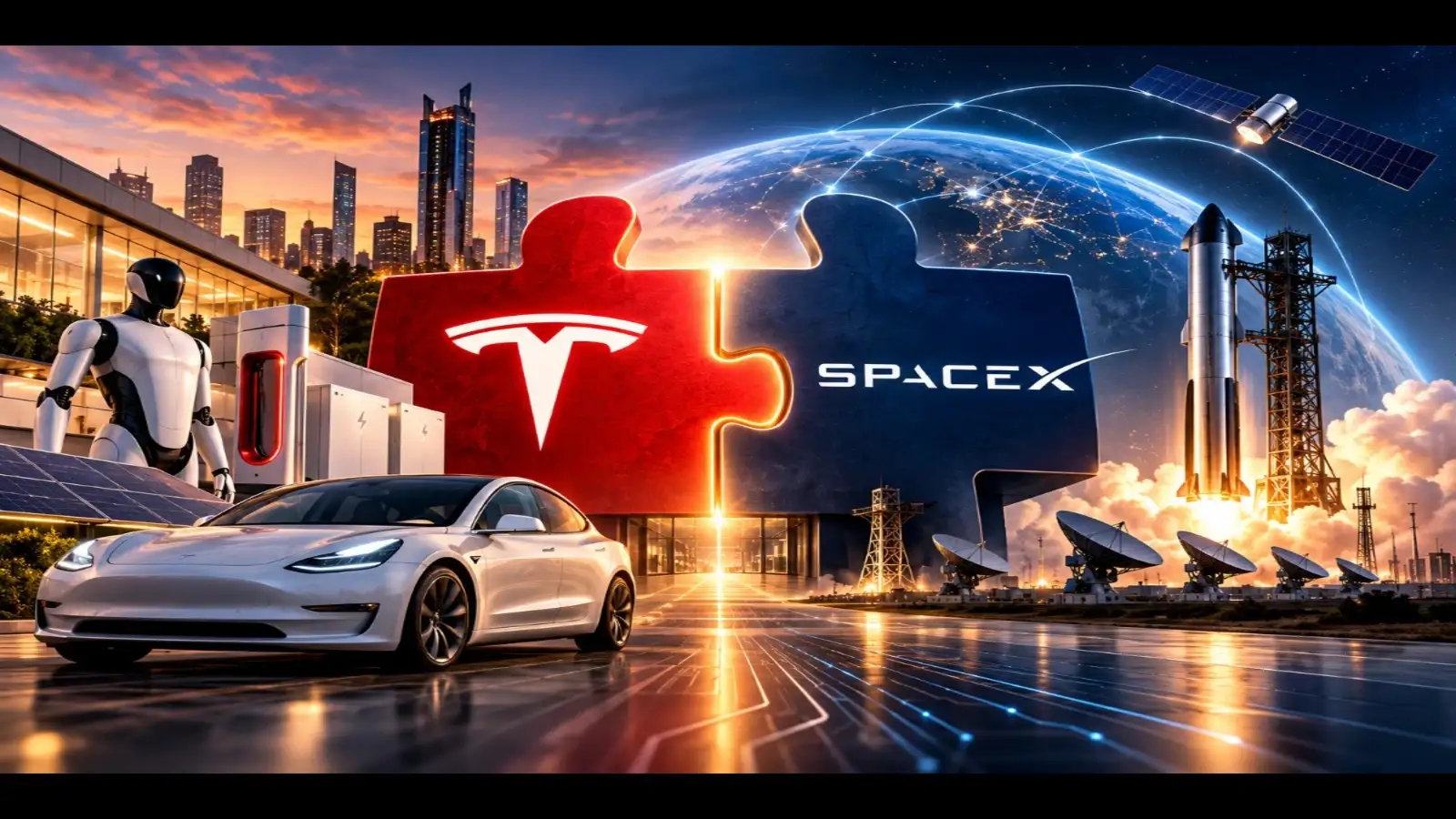


Texas: SpaceX has said a potential merger with Tesla would require approval from Elon Musk, the companies’ special committees and their boards, highlighting governance and conflict-of-interest concerns surrounding the proposed deal.
SpaceX says Musk’s approval is required for merger
SpaceX has clarified that any potential merger with Tesla will require approval from Elon Musk, even though the billionaire has recused himself from discussions between the two companies because of potential conflicts of interest.
In a regulatory filing on Thursday, October 22, SpaceX said no decision had been made by its special committee regarding a possible combination with Tesla. The company added that any deal would require further approval from its special committee, board of directors and controlling shareholder.
The disclosure comes after Musk publicly endorsed the idea of bringing the two companies together earlier this week. On Tuesday, he described a merger as “a good idea” and said special committees had been formed to discuss the possibility.
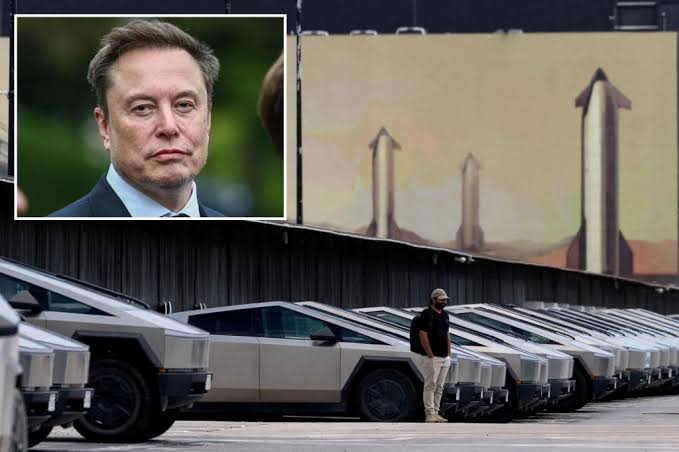
However, the latest filing makes clear that the proposal remains under consideration and that no final agreement has been reached.
The potential transaction has attracted significant attention because of the scale of both businesses and Musk’s influence over them. SpaceX operates in the space and aerospace sector, while Tesla is a major electric vehicle and energy technology company. A merger could bring their operations under a single corporate structure, although the financial and governance arrangements remain uncertain.
Conflict-of-interest concerns surround the proposal
Musk’s position at both companies is central to the debate over a possible merger. He owns nearly a fifth of Tesla and holds voting control at SpaceX, according to the reported information.
Although Musk has recused himself from the discussions because of potential conflicts of interest, SpaceX’s filing indicates that his approval would still be required as the controlling shareholder.
The arrangement raises questions about how the interests of Tesla shareholders would be protected during negotiations. Investors in the two companies may have different expectations regarding the valuation of their holdings, the structure of a combined business and the allocation of future investment.
A person with direct knowledge of the talks told Reuters that the disclosure had created a “mess” for the process because it could prompt questions about whether Tesla shareholders’ interests were being adequately represented.
Musk’s public comments have also reportedly unsettled some people involved in the discussions. Reuters reported earlier on Thursday that insiders were concerned his endorsement could invite greater shareholder scrutiny and delay the process by several weeks.
The situation highlights the challenges that can arise when a business leader has substantial influence over two companies considering a major transaction. Independent committees and board approvals are intended to help evaluate such proposals, but the final structure and decision-making process would be closely watched by investors.
Wall Street sees a possible merger but disagrees on terms
Several Wall Street analysts have reportedly described a Tesla-SpaceX merger as a question of when rather than if. However, analysts remain divided over the terms of a potential transaction, particularly how much Tesla shareholders should receive.
The valuation of the two companies would be a central issue in any negotiations. Tesla’s business is built around electric vehicles, battery technology, energy storage and related services, while SpaceX operates in launch services, satellite communications and other space-related activities.
Combining the companies could create a business with interests spanning transportation, energy, communications and aerospace. However, the differences between their operations, financial requirements and customer bases would make the merger complex.
The potential deal could also change how investors assess the businesses. Tesla shareholders would need to consider the value of their holdings in a combined entity, while SpaceX stakeholders would have to evaluate how the transaction might affect the aerospace company’s ownership structure and long-term plans.
No definitive terms have been disclosed, and the reported analyst views do not mean that a merger is certain to take place. The proposal remains subject to further discussions and the required approvals.
Merger could reshape investment and resource allocation
One argument in favour of bringing SpaceX and Tesla together is that a combined company could gain greater flexibility in allocating capital, engineering talent and infrastructure.
Both businesses are involved in capital-intensive industries that require significant spending on research, technology development, manufacturing and infrastructure. A merger could potentially simplify certain decisions by reducing the need to seek separate approvals from multiple boards and shareholder groups.
Supporters of the idea may also see opportunities to coordinate resources across projects involving artificial intelligence, advanced engineering and other emerging technologies. Musk has increasingly focused on AI-related initiatives across his business interests, making the allocation of investment and technical expertise an important consideration.
However, any potential benefits would depend on how the combined organisation was structured and managed. Bringing two large companies together would not automatically eliminate governance requirements or guarantee more efficient spending.
Investors would also need clarity on how resources would be distributed between Tesla’s vehicle and energy businesses and SpaceX’s aerospace and satellite operations. The companies have different financial needs, regulatory obligations and commercial priorities.
A merger could therefore offer strategic opportunities while introducing new questions about management, capital allocation and accountability.
Tesla and SpaceX face different spending priorities
The discussions come as the two companies have outlined substantial but different capital expenditure plans.
Tesla cut its annual capital expenditure forecast on Wednesday to approximately $20 billion, down from its previous forecast of more than $25 billion. The revision comes as the company continues to navigate investment decisions across its business.
SpaceX, meanwhile, expects capital expenditure of between $35 billion and $40 billion in the fourth quarter, according to the reported figures.
The difference highlights the scale of investment required by SpaceX and the financial demands associated with its operations. A potential merger could place these spending plans within a broader corporate framework, but it would also require investors to understand how the combined entity would finance its projects.
Capital expenditure is particularly important for companies developing technologies that require expensive infrastructure and long development cycles. Investors generally assess such spending against expected future returns, making the financial rationale for any merger a key issue.
The companies have not disclosed how their current investment plans might change if a deal were to proceed.
Regulatory and geopolitical differences add complexity
SpaceX and Tesla also operate in different regulatory environments, which could complicate any potential combination.
SpaceX is a major contractor for the US military, intelligence agencies and NASA. Its work involves government contracts and national security considerations, making its operations subject to specific oversight and requirements.
Tesla, meanwhile, has significant exposure to China through its Shanghai factory, which plays an important role in vehicle production and sales. The company’s relationship with the Chinese market is a major part of its manufacturing and commercial footprint.
Combining a major US aerospace contractor with an electric vehicle company deeply connected to China could raise questions about governance, regulatory oversight and the management of sensitive business interests.
The implications would depend on the transaction’s structure and the relevant approvals. Neither company has announced a final agreement, and the potential impact on their existing operations remains uncertain.
These differences underline why a merger would involve more than agreeing on a valuation. The companies would need to consider their separate obligations, business models and relationships with governments and customers.
SpaceX shares rise while Tesla slips
The market response to the latest developments was mixed. SpaceX shares rose by around 1%, while Tesla shares fell marginally in extended trading, according to the reported figures.
The limited moves suggest that investors are still assessing the implications of the proposal rather than reacting to a confirmed transaction. Market prices may change as more details emerge about the negotiations, potential terms and approval process.
For now, the central issue remains whether the companies can agree on a structure that addresses valuation, shareholder interests and governance concerns.
SpaceX’s filing confirms that any combination would need approval from its special committee, board and Musk as controlling shareholder. With no final determination announced, the proposal remains at an early stage.
A merger could reshape the relationship between two of Musk’s most prominent businesses, potentially bringing together electric vehicles, energy technology, space launches and satellite communications. But the path forward will depend on the companies’ negotiations, the interests of their shareholders and the approvals required before any transaction can proceed.