


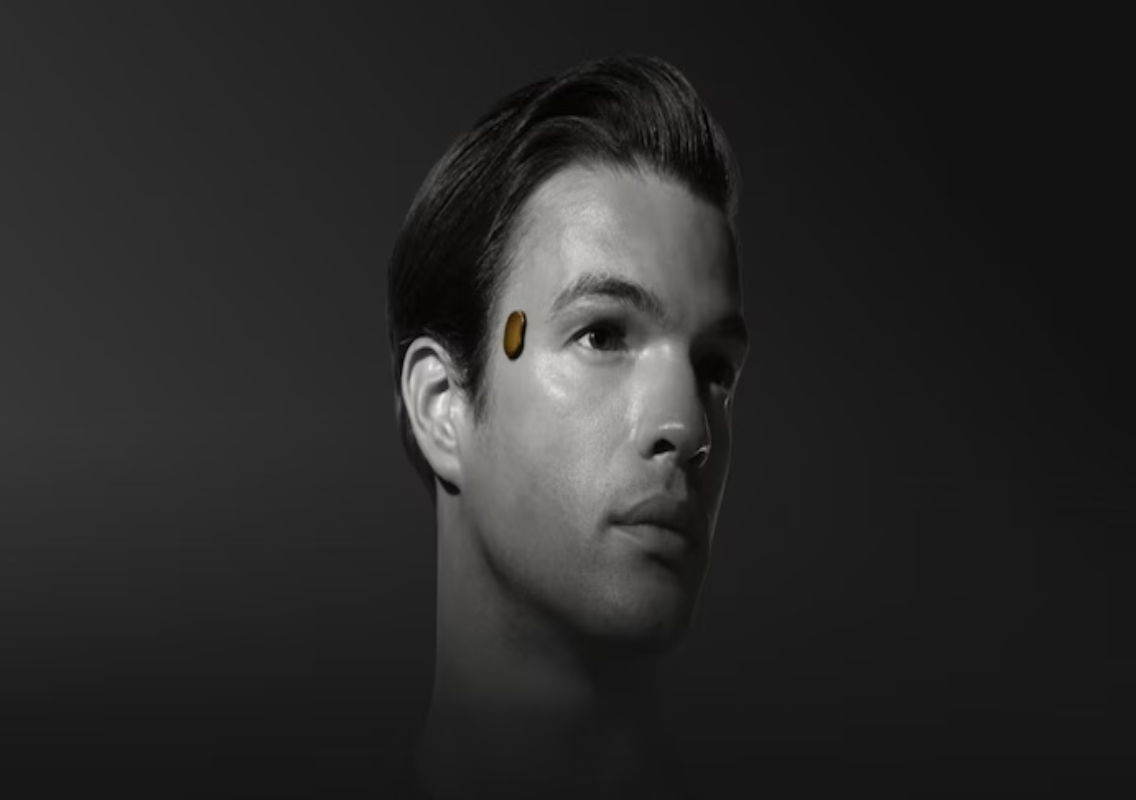


New Delhi: Temple, the brain-monitoring wearable developed by Zomato co-founder Deepinder Goyal, is reportedly priced at ₹85,000 for its first batch in India, according to early-access invitations received by selected users. The price is said to include a lifetime subscription, while pre-orders for the limited first batch, called Batch 01, are scheduled to open on November 1, 2026.
The reported price offers a clearer indication of the cost of the unusual wearable, which is designed to monitor changes associated with blood flow in the brain rather than conventional fitness metrics such as steps, heart rate and calories burned.
However, the ₹85,000 figure has not yet been confirmed through a formal public pricing announcement by the company. The information comes from early-access invitations shared by prospective buyers, and details such as the total number of units available and the final delivery schedule remain subject to confirmation.
Temple wearable pre-orders to begin on November 1
Temple is preparing to move from an experimental technology project to its first limited consumer release. The company has informed selected users that pre-orders for Batch 01 will open on November 1, with early-access customers receiving an opportunity to place their orders through the Temple app.
The first batch will have limited availability, and each unit will be handmade to order. Interested users who have received an invitation must download the app and sign in using the email address associated with their early-access registration.
The company has not publicly disclosed how many devices will be available in the initial batch. The invitation-based process is intended to give selected users priority before wider access becomes available.
Goyal has previously indicated that the wearable will be produced gradually rather than manufactured in large quantities immediately. The made-to-order approach is expected to allow the company to manage production and quality as it begins delivering the device to customers.
What is Temple and how does it work?
Temple is a head-worn wearable that sits on the side of the head, between the forehead and the ear. Unlike a conventional smartwatch, which primarily tracks physical activity and other routine wellness indicators, Temple is designed to monitor changes associated with cerebral blood flow.
The device uses a technology called BrainFlow, which relies on optical sensors to track signals linked to blood flow and oxygenation in the brain. The company aims to use these measurements to provide insights into physiological strain and how the body responds to activities such as exercise, sleep and stress.
Temple also features an Entropy score, ranging from 1 to 250, intended to indicate physiological strain. Factors such as exercise, sleep, stress and caffeine may influence the score.
These measurements could eventually be of interest to athletes and people seeking additional information about recovery and physical performance. However, the wearable should not be treated as a device that can independently diagnose a medical condition or establish whether someone has a particular neurological problem.
The company has positioned Temple as a wellness and research product rather than a medical diagnostic device. Its measurements and scores should therefore be understood within that limitation.
₹85,000 price includes a lifetime subscription
The reported ₹85,000 price includes a lifetime subscription, according to the early-access invitation described by India Today Tech. This is an important detail for buyers evaluating the long-term cost of the wearable, as some connected devices require recurring payments to access software features.
The invitation also indicates that the first batch will be limited and that early-access users can place orders through the app before the wider pre-order process.
Even so, buyers should distinguish the price displayed in an invitation from a formally announced retail price. Temple has not publicly confirmed all the commercial details, including the final price applicable to the wider market, the number of units in the first batch and the complete delivery schedule.
Reports published earlier in October had suggested that the device could cost around ₹72,000 to ₹1 lakh, based on preliminary estimates and Goyal’s comments about a price near US$1,000. The ₹85,000 figure in the early-access invitation provides a more specific indication, but the company’s formal confirmation remains important.
Six colours planned for the first batch
Temple is expected to be available in six colour options: True Gold, Rose Gold, Black Mirror, Real Jade, Deep Blue and Purple Funk.
The company has identified Real Jade, Deep Blue and Purple Funk as limited-edition options. The colour range gives the wearable a more personal design approach, which may appeal to buyers who prefer accessories that differ from the usual black fitness bands and smartwatches.
The device attaches to the skin using single-use adhesive tapes called Grips. These are intended to hold it in place during everyday activities and exercise.
Its unusual placement and function distinguish it from wrist-worn wearables, although buyers will need to consider comfort, adhesive replacement and the practicalities of wearing a device on the side of the head.
Questions remain about its real-world value
Temple enters a growing wearable technology market in which companies are exploring ways to measure more than conventional activity and sleep data. Its focus on signals associated with brain blood flow is a departure from mainstream consumer fitness tracking.
For athletes, the technology could potentially offer additional information about physiological strain and recovery. Goyal has also discussed possible future applications in areas where understanding fatigue and performance may be useful.
However, the practical value of such measurements will depend on how consistently the device performs in real-world conditions and how meaningfully its readings can be interpreted. Consumers should not assume that a score or sensor reading is equivalent to a clinically validated medical assessment.
At ₹85,000, the reported price places Temple in the premium wearable category. The inclusion of a lifetime subscription may appeal to buyers who want to avoid recurring software charges, but prospective customers should review the final product terms, technical limitations and privacy information before purchasing.
What buyers should know before ordering
Temple’s first pre-order window is scheduled for November 1, 2026. Early-access invitations suggest a price of ₹85,000 with a lifetime subscription, but the company has yet to confirm the complete pricing and availability details through a public announcement.
The wearable is designed to track signals associated with cerebral blood flow and physiological strain, and it will launch in six colours. Its first batch is expected to be limited and handmade to order.
For consumers interested in emerging health technology, Temple represents an unusual approach to wearable monitoring. Its long-term appeal will depend on the usefulness of its measurements, the experience of early users and the evidence supporting its capabilities. Until more real-world data becomes available, buyers should view it as a wellness and research-oriented wearable rather than a substitute for medical assessment.