









London: The United Kingdom is preparing to strengthen protections for children online, potentially joining a growing list of countries introducing restrictions on social media access for users under the age of 16. The move comes amid increasing global concern over the impact of social media platforms on children’s mental health, online safety and overall well-being.
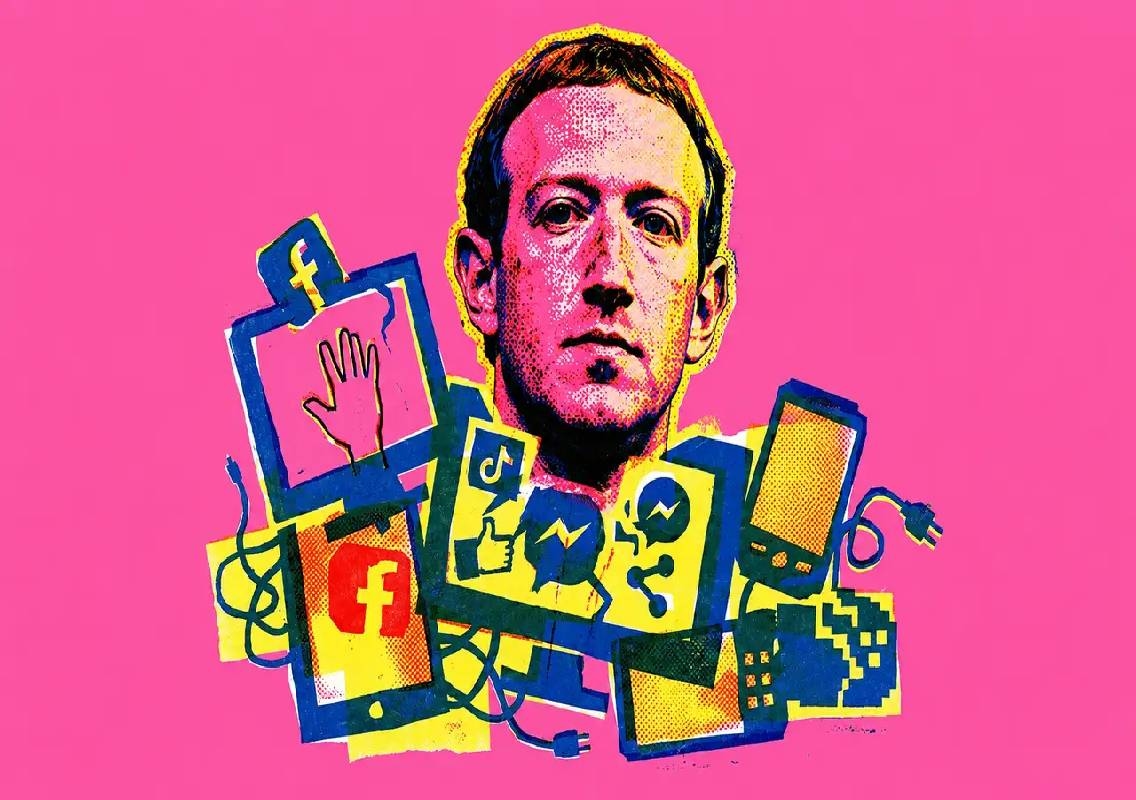
Governments worldwide are facing mounting pressure to regulate major technology companies that operate platforms such as Facebook, Instagram, TikTok, Snapchat and X. Critics argue that these platforms expose young users to harmful content, cyberbullying, online predators and addictive algorithms that can negatively affect mental health and development.
The UK’s proposed measures reflect a broader international trend as policymakers seek to balance digital access with child safety in an increasingly connected world.
Global movement against online risks
The global push for stricter social media regulations gained momentum after Australia introduced legislation banning children under 16 from accessing social media platforms.
The Australian decision sparked discussions across several countries, prompting governments to examine whether similar restrictions could help address growing concerns about children’s online experiences.
Countries including Spain, France, Denmark, Poland and Greece have either proposed or are considering tighter controls on children’s social media usage. These measures range from stronger age-verification requirements to broader restrictions on access for younger users.
Malaysia has also introduced new initiatives aimed at improving online safety and protecting children from harmful digital content.
As concerns continue to grow, governments are increasingly placing responsibility on technology companies to ensure safer online environments for young users.
UK considers tougher regulations
According to reports, British Prime Minister Keir Starmer is expected to announce new measures designed to improve online safety for children.
The proposed framework could restrict children under the age of 16 from accessing platforms classified as harmful while allowing access to services deemed safer and more appropriate for younger users.
The move reportedly follows consultations with families affected by online harms and an assessment of international models, including Australia’s under-16 social media ban.
Sources quoted in media reports suggest that the British government is prepared to challenge major technology companies if necessary to implement stronger safeguards for children.
While details of the proposed measures have not yet been officially confirmed, the initiative signals a tougher regulatory stance toward social media platforms operating in the country.
Growing concerns over children’s online exposure
Experts and child welfare advocates have long warned about the risks associated with unrestricted social media use among children and teenagers.
Concerns include exposure to inappropriate content, cyberbullying, misinformation, online grooming, privacy violations and the psychological effects of excessive screen time.
Research from various countries has also highlighted links between heavy social media use and issues such as anxiety, depression, sleep disruption and reduced self-esteem among young people.
Technology companies have responded by introducing parental controls, content moderation systems and age-verification tools. However, critics argue that these measures remain insufficient and are often easy for children to bypass.
As a result, governments are increasingly considering legislative solutions rather than relying solely on voluntary industry action.
India faces growing pressure to act
The debate is also gaining attention in India, which has one of the world’s largest populations of young internet users.
Currently, India does not have legislation that completely bans social media access for children or teenagers. However, concerns about online safety, digital addiction and harmful content continue to grow among parents, educators and policymakers.
With smartphone and internet penetration expanding rapidly, millions of Indian children are accessing social media platforms at increasingly younger ages.
Industry experts believe the country may eventually need a more comprehensive framework to regulate children’s digital access while protecting privacy and individual freedoms.
Experts call for stronger age verification
Technology analyst Faisal Kawoosa has argued that India should consider measures similar to those being introduced internationally.
According to Kawoosa, restricting access alone may not be sufficient because many users can easily bypass age requirements by entering incorrect dates of birth during registration.
He has suggested the creation of a unique digital identity system supported by Know Your Customer (KYC) verification processes.
Under such a framework, users would be required to verify their age through an authenticated digital identity before signing up for social media platforms, gaming services or other online applications.
Supporters believe this approach could significantly improve age verification, while critics have raised concerns about privacy, data security and implementation challenges.
Balancing safety and digital freedom
The debate over children’s social media use reflects a broader challenge facing governments worldwide.
While there is widespread agreement on the need to protect children from online harms, policymakers must also consider issues such as freedom of expression, privacy rights and access to educational and social opportunities provided by digital platforms.
Technology companies have warned that blanket bans may prove difficult to enforce and could push young users towards unregulated online spaces.
At the same time, parents and child safety advocates argue that stronger intervention is necessary to address the growing risks associated with digital platforms.
Conclusion
As countries across the world tighten regulations on children’s social media use, the United Kingdom appears poised to join the global effort to hold technology companies more accountable for online safety. The proposed measures could become another significant step in reshaping how young users access digital platforms. Meanwhile, the discussion is likely to intensify in India, where policymakers face increasing calls to introduce stronger safeguards for one of the world’s largest populations of young internet users.