







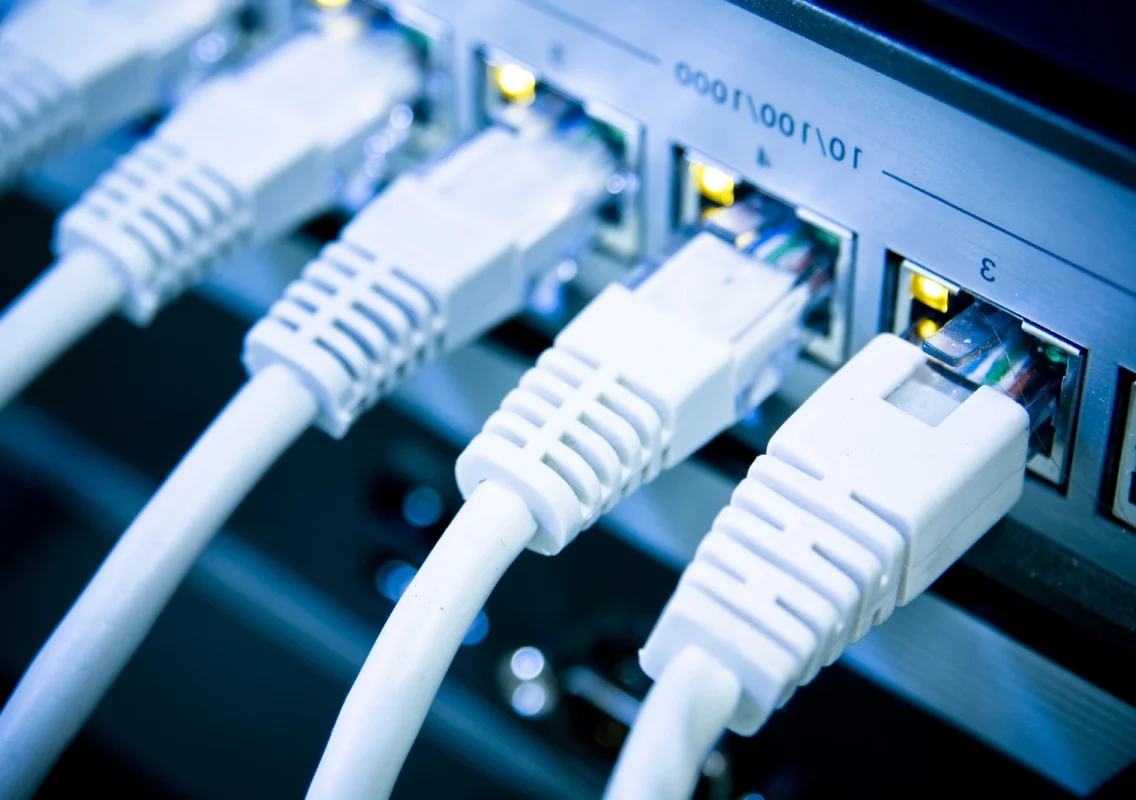


Businesses today run on connectivity. That is simply how work gets done now. From daily communication to cloud-based operations, almost every task depends on a stable internet connection that does not slow down when pressure builds suddenly. Regular internet works fine for simple tasks. But it starts struggling when many users, applications, and heavy data loads hit the network together. That is when reliability becomes a real concern. Internet leased lines are built for business environments where consistency matters every single day. Unlike shared broadband, leased lines offer dedicated bandwidth and predictable performance.
Businesses using real-time tools, VoIP, cloud platforms, and ERP systems need access throughout the working day. Even a short disruption can break focus and momentum fast. A leased line supports these needs through symmetric speeds, low latency, and service-backed uptime commitments. Over time, this reliability turns into a quiet business strength. Many growing organisations now see leased lines not as a cost, but as background infrastructure that keeps work moving without noise.
Understanding Internet Leased Line vs Regular Internet
Choosing between regular broadband and a leased line often comes down to expectations. Both provide access to the internet. But the way speed, stability, and support show up in daily use feels very different. Understanding this gap helps businesses avoid network issues later.
Regular Internet (Broadband)
Regular broadband internet is designed for general users. It is shared among many customers in the same area. Bandwidth availability keeps shifting during the day. During peak hours, speeds drop without much warning. Video calls start lagging at the wrong time. Cloud access feels slower than usual. Large file transfers take more time than planned. There is usually no guaranteed uptime or speed promise. When issues occur, support works on a best effort basis. Security also stays basic since the network is not exclusive to one business. For small teams with light usage, broadband may work for now. But as operations grow, performance inconsistency becomes very noticeable. Businesses needing stable access often face delays and frequent disruptions during working hours.
Leased Internet Line
A leased internet line is built for business use. Every working day, reliability matters a lot. The connection is dedicated to one organisation only. People outside the network do not share bandwidth with random users. This keeps speeds steady, even when the office gets busy. Upload and download speeds remain the same, which helps daily operations. Cloud tools, video calls, and backups work smoothly most of the time. Providers also commit to better uptime and faster issue resolution. Private routing keeps security tighter by default. In general, teams work better when connectivity is not a daily worry.
Low Latency for Critical Applications
Low latency is essential for applications that rely on real-time data exchange. Video conferencing, VoIP calls, cloud tools, and financial systems all need quick responses. With shared broadband, latency increases during busy hours. This causes delays, call drops, and application lag. Leased line connectivity helps solve this issue by offering a direct and dedicated path between the business and the provider. Since traffic is not shared, data packets move faster and more consistently. Calls stay clear and applications respond quickly. VPN access and remote work tools also perform better. For businesses using time-sensitive systems, low latency improves efficiency and reduces daily frustration.
Higher Uptime and Service Level Agreements (SLAs)
Reliability is not only about raw internet speed. Availability matters just as much for daily business work. Regular internet rarely comes with clear uptime promises. Outages can stretch longer than expected sometimes. Support responses also feel slow and confusing. Leased lines, however, include proper Service Level Agreements. These SLAs define uptime, response time, and fix timelines clearly. Businesses know what to expect every day. Issues get priority handling. This reduces downtime and lowers operational risk. High uptime keeps cloud-driven operations running without panic.
Reliability in Data Security
When the network stays stable and under control, data security improves naturally. With shared broadband, traffic becomes more vulnerable to outside threats. That weakness slowly increases over time. A lease line internet connection uses a private, dedicated channel to operate. It helps prevent unwanted access and reduces congestion risks. Businesses can use security tools more effectively on such networks. Firewalls, encryption, and monitoring systems perform better on predictable connections. This matters a lot for teams handling sensitive data daily. In the long run, stable connectivity supports compliance needs and strengthens overall IT governance.
Consistency During Peak Hours
One major problem with regular broadband is peak hour slowdowns. When many users log in together, speeds dip and latency climbs. This inconsistency affects productivity badly. Leased line services solve this with guaranteed bandwidth available at all times. Businesses see the same performance during peak and non-peak hours. Teams collaborate, upload files, and access cloud tools smoothly. Work flows better with fewer awkward pauses. For global teams across time zones, this stable performance feels like a real advantage.
Support for Growing Businesses
As businesses grow, connectivity needs increase naturally. More users, applications, and data flows demand a stable foundation. Regular internet struggles to scale without performance loss. Leased line solutions support growth by offering flexible bandwidth upgrades. Businesses can increase capacity without changing existing infrastructure. This scalability supports expansion into new offices and remote teams. Reliable connectivity also improves decision-making by ensuring uninterrupted access to data and communication tools.
Enhanced VoIP and Unified Communication
Modern businesses depend heavily on VoIP and unified communication systems. These tools need stable bandwidth and low latency. Regular broadband often causes call drops and poor audio quality. A leased line provides the consistency needed for clear communication. Symmetric speeds ensure smooth voice and video transmission. Internal collaboration improves across teams. Customer interactions also feel more professional and less stressful.
Cost vs Value: Why Reliability Matters More
Leased lines may seem expensive at first. But what matters most is that they work well every day. There are hidden costs to downtime, slow speeds, and communication problems. Missed chances and lost work time add up quickly. A reliable internet connection makes these risks much less likely. Businesses get steadier performance and faster help when needed. Over time, the cost of problems is often higher than the cost of a leased line. Slowly, reliability turns into a strategic asset.
Spectra: Best Internet Leased Line
Spectra provides leased line services for businesses of all sizes today. The focus stays on uptime, performance, and steady reliability. Spectra leased line solutions work well with cloud apps, VoIP systems, and heavy data work. Every day, businesses get symmetric speeds with low latency. Service level agreements make it clear what to expect. Nationwide coverage makes it easier for teams in different offices to work together. Quick tech support and constant monitoring help keep downtime to a minimum. In general, Spectra helps businesses work without worrying too much about long-term connectivity gaps.
For businesses that rely on digital tools and cloud platforms, reliability matters more than price. A leased line helps with productivity, keeps data safe, and makes sure operations run smoothly. Over time, it becomes the base for long-term business success.