







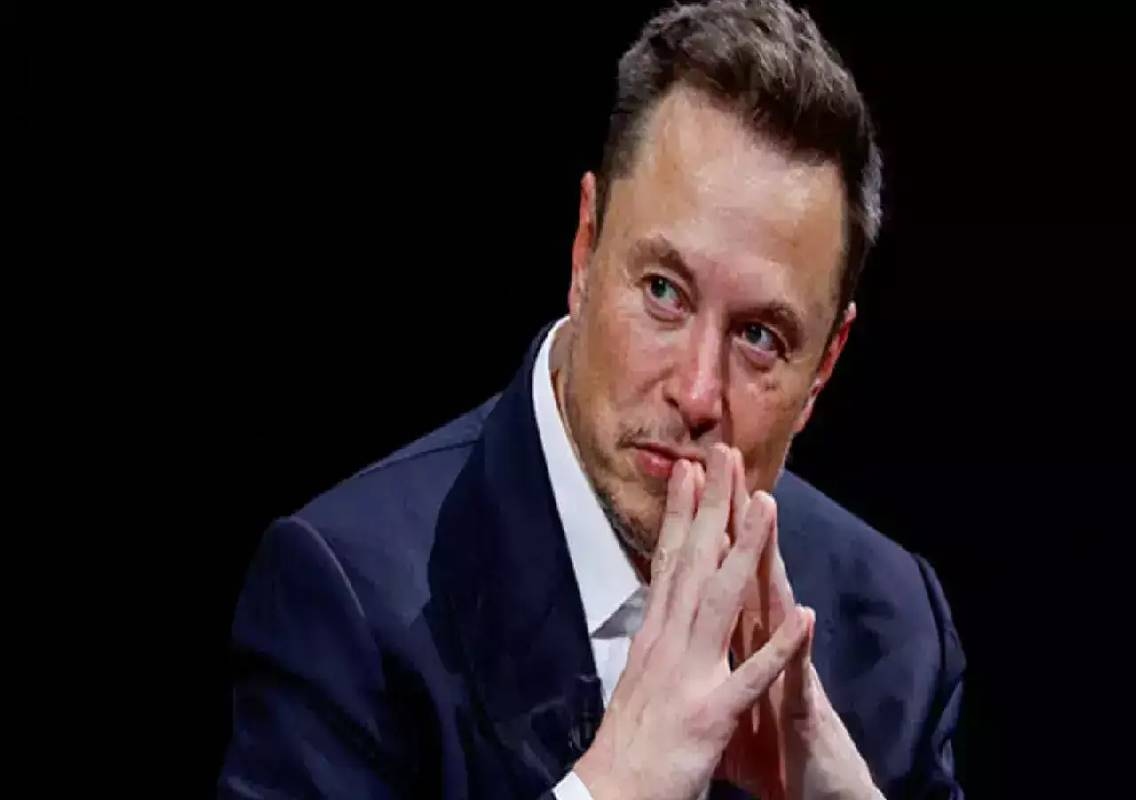


New Delhi: X owner Elon Musk has announced a new transparency measure under which the social media platform will make government requests to remove or restrict content visible to users. The move is aimed at giving users greater information about when government authorities seek action against posts or accounts.
Musk announced the change on X, saying that government-mandated censorship would now be made clearly visible. The proposed system is expected to provide information about government intervention when authorities ask the platform to take down or limit access to content.
Government censorship requests to become visible
Under the planned changes, users could be notified when a government agency asks X to remove a particular post or impose restrictions on an account.
The platform also plans to identify the government body that submitted the request and, where available, provide details about the legal basis or reasoning cited by the authorities. (LatestLY)
The move is intended to make government involvement in online content moderation easier for users to identify.
Instead of content simply disappearing or becoming unavailable without an explanation, users could potentially see whether a government request was involved in the restriction.
Elon Musk pushes greater transparency
Musk has repeatedly positioned X as a platform focused on free speech and transparency.
The latest announcement forms part of a wider effort to provide users with more information about how content is moderated, restricted and distributed on the platform.
The company has also been working on greater transparency around its recommendation systems. Earlier this week, X released the source code behind its recommendation algorithm, known as Phoenix, providing insight into how posts are ranked on users’ feeds.
The latest initiative therefore extends the transparency push from algorithmic recommendations to government intervention in content moderation.
What will users be able to see?
The proposed system is expected to provide users with information about government requests affecting content on the platform.
This could include:
- The government agency making the request
- The content or account targeted by the request
- The fact that a restriction or removal was government-mandated
- The legal basis or reasoning, where available
The exact format and timing of these disclosures have not yet been fully detailed.
The initiative is nevertheless significant because government requests for content removal can sometimes remain largely invisible to ordinary users.
Does this mean X will reject government requests?
Not necessarily.
The transparency announcement concerns disclosure of government requests, rather than a blanket refusal by X to comply with legal orders.
A government authority can still make a request under the laws applicable in its jurisdiction, and X may be required to comply with legally binding orders.
The new system would instead make the involvement of government authorities more visible.
This distinction is important: greater transparency does not automatically mean that all government requests will be rejected.
X has faced scrutiny over takedown requests
The announcement comes amid continuing debate over X’s handling of government requests.
The platform has faced scrutiny over the extent to which it complies with requests from governments to remove or restrict content. Reports have indicated that compliance rates under Musk’s ownership have varied considerably depending on the period and type of request.
This has created an interesting contrast between Musk’s public advocacy for free speech and the practical requirement for a global social-media platform to comply with laws in different countries.
The new disclosure system could give users more information about that process.
India has also been involved in X’s content disputes
X has previously been involved in disputes with the Indian government over content restrictions and account blocking.
Such disagreements have highlighted the complicated relationship between global technology platforms and national governments, particularly when authorities cite local laws or public-order concerns.
Making government requests more visible could therefore be particularly relevant in countries where social-media platforms regularly receive legal demands to restrict content.
However, the precise manner in which the new system will operate in individual countries remains to be seen.
X recently opened up its recommendation algorithm
The government-censorship announcement follows another major transparency initiative by X.
On August 14, the platform released the source code behind its recommendation algorithm, giving outsiders greater insight into how posts are selected for users’ For You feeds.
The system, called Phoenix, uses predicted user interactions to determine which posts should be recommended.
X has also introduced a pilot feature called Under the Hood, which allows selected users to view aggregate information about labels applied to their accounts or posts that could affect visibility.
Together, the initiatives indicate that the company is attempting to provide greater visibility into two areas that have traditionally been difficult for users to understand: why they see particular content and why certain content may be restricted.
Why the announcement matters
Government involvement in online content moderation has become an increasingly contentious issue worldwide.
Governments argue that restrictions may be necessary to enforce laws, protect national security, prevent illegal activity or address harmful content. Social-media companies, meanwhile, must balance those demands against their own policies and users’ expectations around freedom of expression.
For users, the lack of visibility surrounding government requests can make it difficult to understand why a particular post has been removed or restricted.
X’s proposed system could provide an additional layer of accountability by identifying when a government authority was behind a request.
Transparency could increase public scrutiny
If implemented widely, the initiative could allow journalists, researchers and ordinary users to track government requests more easily.
A publicly visible record could also make it easier to compare how different governments seek to regulate social-media content.
At the same time, the system could generate further scrutiny of X itself. Once government requests become more visible, users may also examine how frequently the platform complies with those requests and whether restrictions are applied consistently.
That could turn transparency into a broader debate about both government regulation and platform responsibility.
Musk’s free-speech stance
Musk has made free speech a central theme of his ownership of X.
Since acquiring the platform, he has repeatedly criticised what he considers excessive government intervention and has promoted greater openness around content moderation.
The latest announcement fits into that broader philosophy, although the practical impact will depend on how much information X ultimately discloses and how quickly users receive it.
The company will also need to navigate legal restrictions in countries where governments may prohibit platforms from revealing certain requests.
What happens next?
X has not yet provided every operational detail of the new system.
Questions remain over how the notices will appear, whether all government requests will be disclosed, how quickly they will become visible and what happens when authorities legally prevent the company from revealing a request.
The platform will also need to determine how the system handles requests involving national security, court orders or other sensitive matters.
Those details will determine how meaningful the transparency measure becomes in practice.
Conclusion
Elon Musk has announced that X will make government requests to remove or restrict content more visible to users, marking another step in the platform’s broader transparency drive. Users are expected to receive information about government intervention, including the agency involved and, where available, the legal basis for the request.
The move does not necessarily mean X will refuse government takedown demands. Instead, it is designed to make such intervention more transparent.
Coming shortly after X opened up its recommendation algorithm, the announcement reinforces Musk’s push to expose more of the systems that determine what users see — and what they may be prevented from seeing.