







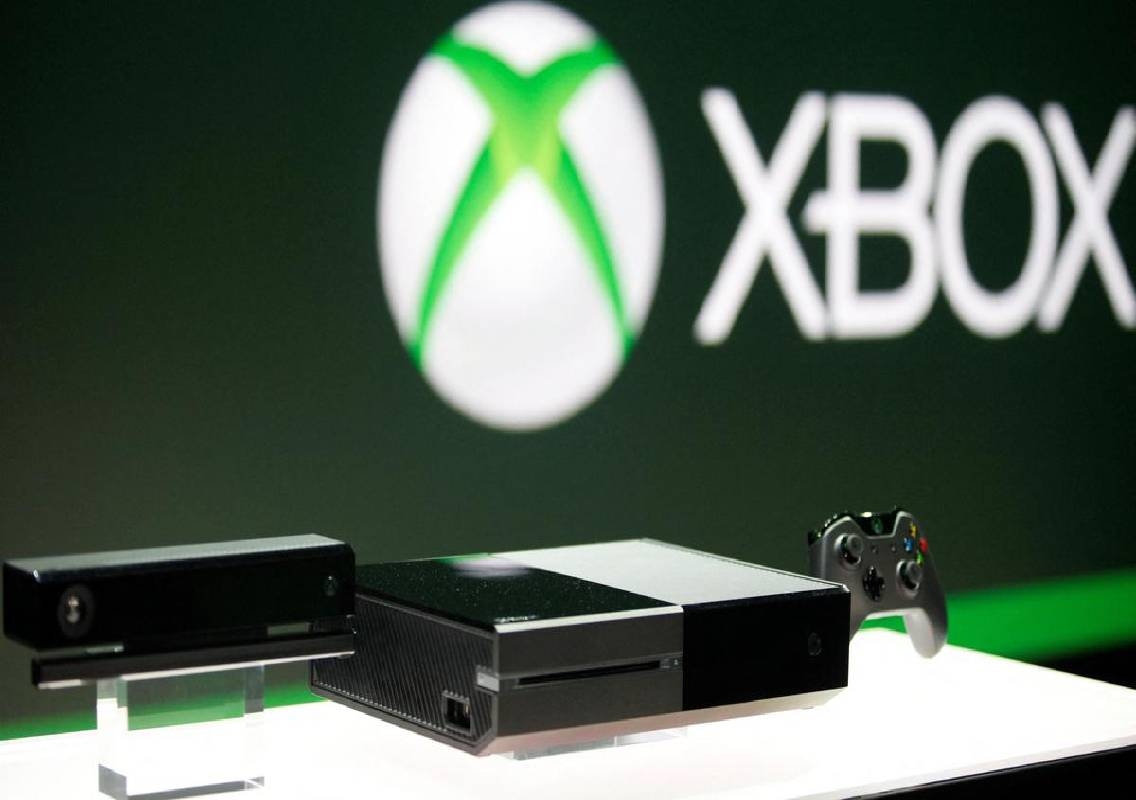


New Delhi: Microsoft has launched the most significant restructuring in Xbox’s history, announcing thousands of job cuts, studio divestments and sweeping organisational changes as it seeks to restore growth in its gaming business. The move comes after years of aggressive expansion, slowing console sales, rising game development costs and weaker-than-expected growth in its Game Pass subscription service.
The overhaul reflects the changing dynamics of the global gaming industry, where publishers are increasingly focusing on profitability while continuing to invest heavily in artificial intelligence and next-generation gaming experiences.
Microsoft announces largest Xbox restructuring
Microsoft confirmed that approximately 3,200 Xbox employees will be laid off through fiscal year 2027, with around 1,600 positions being eliminated immediately. The company described the exercise as the biggest restructuring in the gaming division’s history.
In addition to reducing its workforce, Microsoft will separate four studios—Compulsion Games, Double Fine Productions, Ninja Theory and Undead Labs—from Xbox’s first-party development portfolio.
Compulsion Games and Double Fine Productions will return to independent ownership along with their intellectual property, while Ninja Theory and Undead Labs will continue under new ownership with funding to complete ongoing projects such as Senua and State of Decay 3.
Reports have also indicated that Arkane Studios in France has begun consultations regarding strategic options, including a possible sale or spin-off.
Why Xbox is undergoing a reset
The restructuring follows years of rapid expansion driven by Microsoft’s acquisitions of major gaming companies and increased investment in subscription services.
Xbox CEO Asha Sharma told employees that despite significant investments in Game Pass, multi-platform publishing and studio acquisitions, the gaming business had not grown at the pace the company had anticipated.
According to the company, Xbox has been operating with considerably lower profit margins than several competing gaming platforms and publishers. The current console generation has also presented challenges, with Xbox reportedly entering the market with a smaller installed user base and a higher cost structure than its rivals.
Microsoft believes simplifying the organisation and improving operational efficiency are necessary to position Xbox for long-term sustainable growth.
Focus shifts to a leaner business model
As part of the restructuring, Microsoft plans to reduce management layers across Xbox, bringing reporting structures down from as many as 14 levels to no more than five.
The company has also appointed Helen Chiang as Xbox’s first Chief Operating Officer. She will oversee the integration of Xbox’s hardware, software, content, platform and services businesses under a unified operating model.
Microsoft says the objective is to improve decision-making, accelerate product development and create a more agile organisation capable of responding quickly to market changes.
No major game cancellations announced
Despite the sweeping changes, Microsoft has assured gamers that none of Xbox’s previously announced first-party games or ongoing projects have been cancelled.
The company said development teams will continue working on upcoming titles while the restructuring focuses primarily on organisational efficiency rather than reducing its gaming portfolio.
Microsoft continues to view gaming as an important long-term business and plans to invest selectively in franchises and technologies that offer strong growth potential.
Gaming industry faces growing pressures
Xbox’s restructuring reflects broader trends across the global gaming industry.
Following record growth during the COVID-19 pandemic, the sector has experienced slower consumer spending, weaker console demand and rising production costs. Large-scale game development has become increasingly expensive, while subscription services have expanded more slowly than many companies initially expected.
Several major publishers have responded by cutting costs, restructuring operations and focusing resources on fewer, higher-impact projects.
At the same time, technology companies are redirecting significant investment towards artificial intelligence, creating additional pressure to optimise spending across other business divisions.
Microsoft’s long-term strategy
The restructuring signals Microsoft’s intention to build a more sustainable Xbox business while balancing investments in gaming, cloud services and AI.
By streamlining operations, reducing costs and simplifying management structures, the company aims to improve profitability without abandoning its commitment to gaming.
Although the transition will result in thousands of job losses, Microsoft believes the changes will help position Xbox for stronger long-term growth as competition in the gaming industry continues to evolve.