









Udupi: The Udupi district administration has identified 146 villages as vulnerable to drinking water scarcity, with officials warning that several urban and rural areas could face shortages even before December if rainfall remains inadequate.
To ensure uninterrupted drinking water supply, the administration has decided to identify private borewells, open wells and water tankers that can be deployed whenever required to meet the needs of affected residents.
The decision was taken as a precautionary measure to enable timely intervention and minimise the impact of any emerging water crisis across the district.
District administration prepares contingency plan
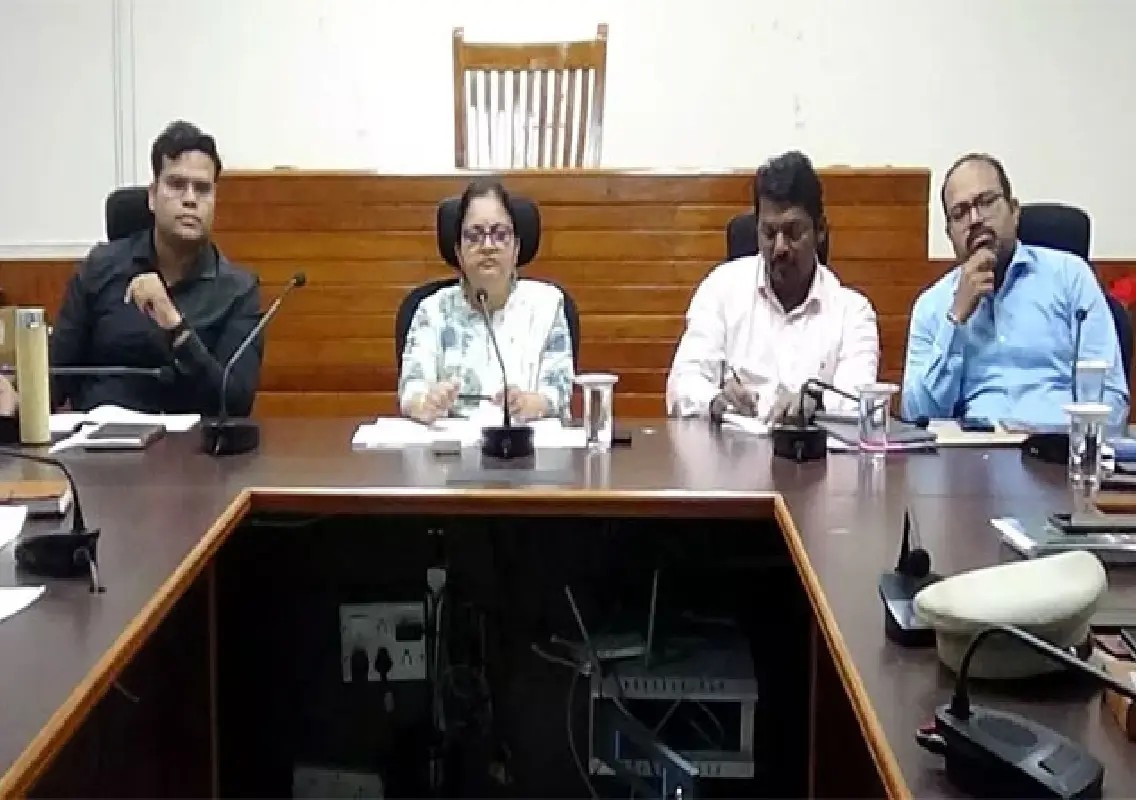
The issue was discussed during a meeting of the District Disaster Management Authority held on Wednesday.
Speaking at the meeting, Zilla Panchayat Chief Executive Officer Prateek Bayal said officials have been directed to identify private water sources and tanker operators in advance so that drinking water can be supplied from alternative sources whenever necessary.
He said the administration is taking proactive measures to ensure that residents in vulnerable areas do not face hardship if water levels decline in the coming months.
146 villages across seven taluks identified
According to the district administration, 146 villages under 94 gram panchayats have been identified as being susceptible to drinking water shortages.
The taluk-wise distribution is as follows:
- Karkala taluk: 21 villages under 17 gram panchayats
- Kundapur taluk: 57 villages under 36 gram panchayats
- Udupi taluk: Six villages under four gram panchayats
- Byndoor taluk: 22 villages under 15 gram panchayats
- Brahmavar taluk: 25 villages under 13 gram panchayats
- Kaup taluk: Five villages under four gram panchayats
- Hebri taluk: 10 villages under five gram panchayats
Among these, Kundapur taluk has the highest number of vulnerable villages, followed by Brahmavar and Byndoor.
Alternative water supply to be arranged
Deputy Commissioner Swaroopa T K directed officials to make all necessary arrangements to supply drinking water from alternative sources based on the requirements of residents in the identified villages.
She instructed departments concerned to remain prepared for any eventuality and ensure that water is supplied promptly wherever shortages arise.
The administration plans to utilise identified private borewells, open wells and water tankers as part of its contingency strategy.
No disruption in drinking water supply: DC
The Deputy Commissioner stressed that the administration would not allow any disruption in the supply of drinking water anywhere in the district.
She directed officials to closely monitor the situation in vulnerable areas and respond immediately if signs of water scarcity emerge.
The early identification of affected villages and available water resources is expected to help authorities respond more efficiently and avoid delays in providing relief.
Preventive measures ahead of dry months
Although the southwest monsoon is still underway, officials have initiated precautionary measures in view of concerns over below-normal rainfall and the possibility of declining groundwater levels in the coming months.
By preparing a database of private water sources and tanker operators in advance, the district administration aims to strengthen its disaster preparedness and ensure uninterrupted access to safe drinking water.
Officials said the situation will continue to be monitored closely, and additional measures will be taken if rainfall remains deficient or water levels fall further before the end of the year.