







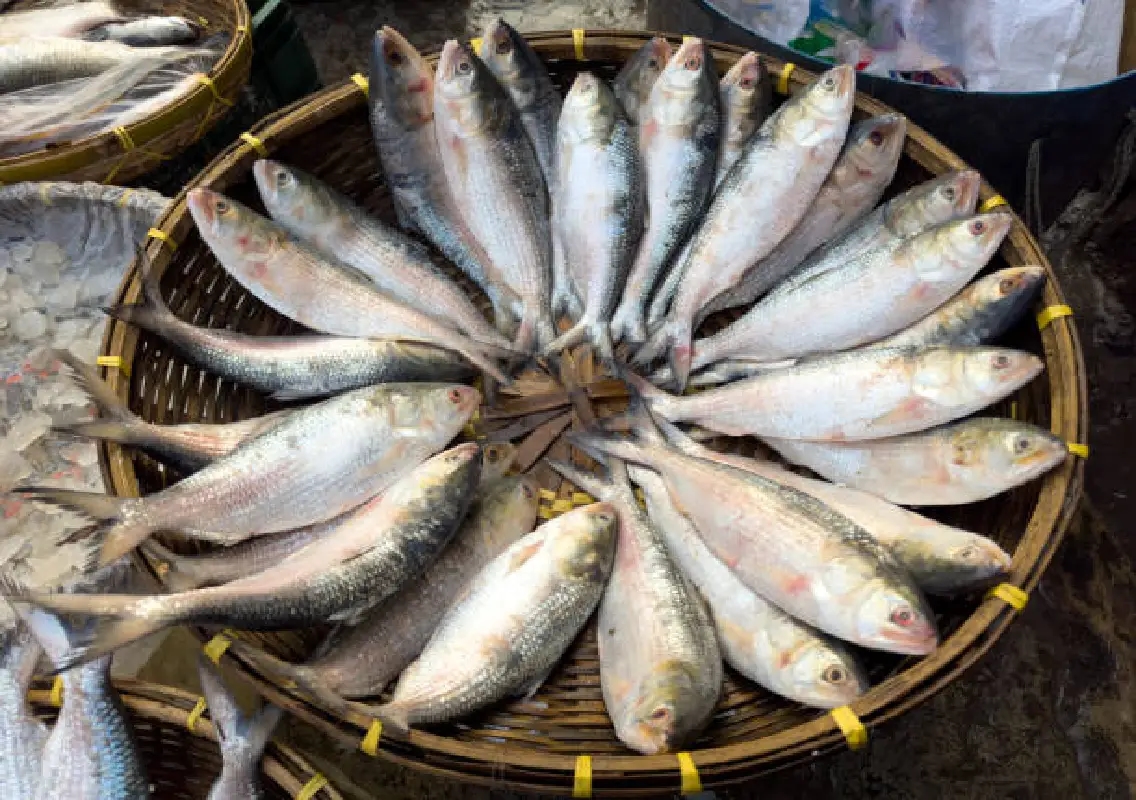


Udupi: The ongoing conflict involving Iran, the United States, and Israel has begun to severely impact the fishing industry along Karnataka’s coast, with Udupi witnessing a sharp fall in fish prices and growing uncertainty among fishing communities.
At Malpe, one of Asia’s largest fishing harbours, the situation has become increasingly difficult for fishers, traders, and vendors. The combined effects of disrupted export markets and widespread hotel closures due to commercial LPG shortages have significantly reduced demand for fish.
Market sources indicate that fish prices have dropped between ₹50 and ₹200 per kilogram, depending on the variety, leading to heavy losses across the supply chain.
Demand collapses due to hotel shutdowns
A key factor behind the price crash is the shutdown of hotels and restaurants, which form a major segment of bulk buyers. Many hotels across coastal Karnataka and neighbouring regions have either shut down or reduced operations due to the ongoing cooking gas crisis.
Fish traders in Malpe said that hotels which earlier purchased large quantities for supply to Kerala and other regions have stopped buying altogether. This disruption has effectively broken the supply chain, leaving traders with unsold stock.
“Hotels that used to buy fish in bulk have shut down. The war and LPG shortage have severely affected our business,” said local vendors, expressing hope that the situation will improve if the conflict ends soon.
Women vendors bear the brunt
Women fish vendors are among the worst affected by the downturn. In Udupi city alone, around ten wholesale traders and hundreds of women are involved in fish sales, many of whom depend heavily on daily income.
With demand collapsing, these vendors are struggling to sell their catch and are often forced to reduce prices further to avoid losses. Several women traders reported that their daily earnings have dropped drastically, pushing them into financial distress.
“Almost all non-vegetarian hotels are closed, and demand has fallen sharply. Business has nearly come to a standstill,” said a local vendor.
Supply chain disruption spreads impact
The effects of the crisis are not limited to Udupi alone. Fish from the region is regularly supplied to towns such as Shirva, Kaup, Karkala, and even larger markets like Bengaluru, apart from neighbouring Kerala.
However, hotel closures and reduced consumption in these areas have led to a ripple effect, further weakening demand. Even operational hotels are purchasing smaller quantities due to rising LPG costs.
In some cases, hotels have shifted to outdoor cooking using clay stoves to cope with the gas shortage. However, this alternative has also been affected by intermittent night rainfall, making operations more difficult.
Current price trends
The ongoing crisis has led to noticeable fluctuations in fish prices across varieties. Pomfret (Manji), which earlier sold for around ₹1,550 per kilogram, is now priced at approximately ₹1,400. Seer fish (Anjal) is being sold in the range of ₹1,000 to ₹1,100 per kilogram.
Indian mackerel (Bangude) is currently available between ₹260 and ₹300 per kilogram, while finned bullseye (commonly known as disco fish) is priced between ₹140 and ₹180. Pink perch (Rani fish) is being sold between ₹245 and ₹280 per kilogram, and prawns are priced in the range of ₹320 to ₹340.
Despite these lower prices, demand remains weak, leaving traders unable to recover costs.
Rising costs add to pressure
While fish prices have dropped, operational costs have increased significantly. Hotels that remain open are reportedly paying up to ₹1,000 extra for LPG cylinders, which has led some to increase menu prices.
This imbalance—falling fish prices and rising input costs—has placed both suppliers and buyers under financial strain, further complicating recovery.
Conclusion
The ongoing geopolitical conflict and resulting fuel crisis have created a cascading impact on the fishing industry in Udupi. With demand shrinking, prices falling, and livelihoods at risk, stakeholders are hoping for a swift resolution to the conflict and stabilisation of supply chains. Until then, the sector remains under severe stress, affecting thousands dependent on fishing and related trades.