







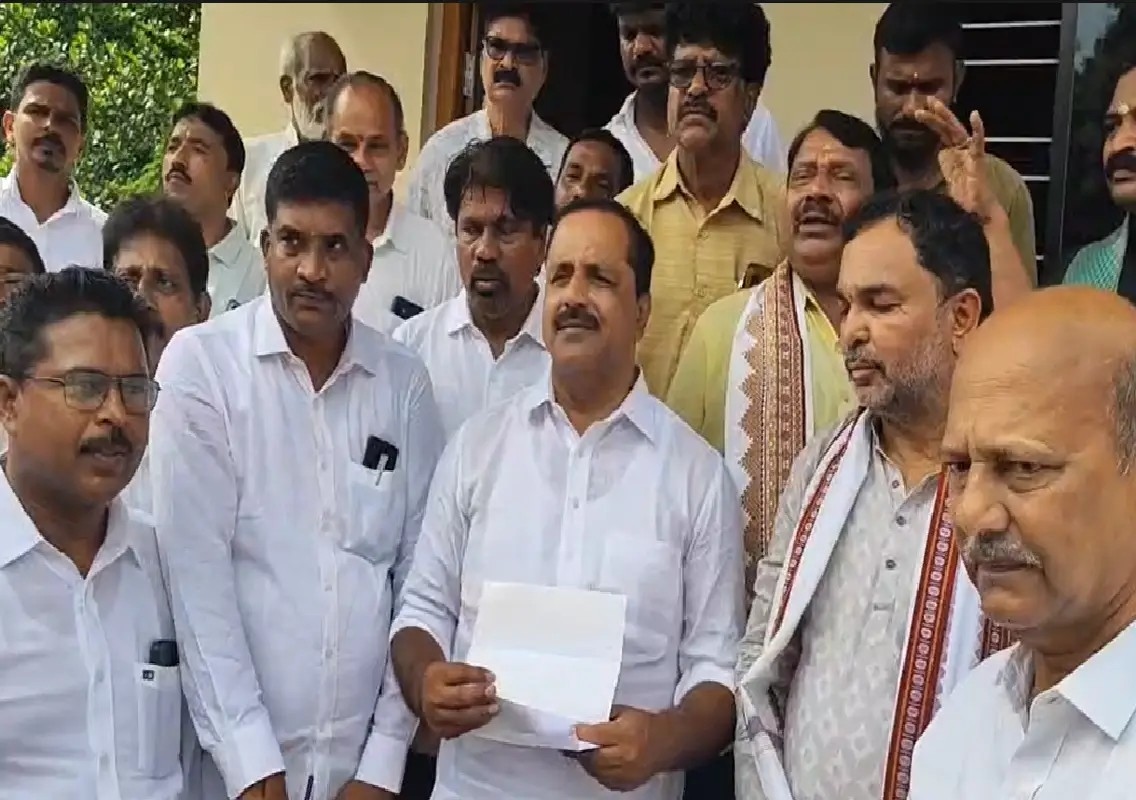


Brahmavar: Karnataka Health and Family Welfare Minister U T Khader Fareed visited the historic Malik Dinar Jumma Masjid at Santegudde and several prominent religious centres in Barkur on Tuesday, describing the ancient town as a unique symbol of communal harmony, cultural heritage and shared history. During the visit, he called for collective efforts to preserve Barkur’s rich legacy and assured government support for its development and heritage conservation.
Minister praises Barkur’s rich historical legacy
Addressing those present during his visit, Khader said Barkur occupies a special place in Karnataka’s history owing to its centuries-old cultural and religious significance.
He noted that several dynasties, including the Vijayanagara rulers, had governed Barkur over the centuries, yet the region had successfully preserved its traditions, customs and cultural identity.
“Many kings ruled this region, but its traditions and cultural values have been preserved to this day. This is a remarkable achievement,” the minister said.
He observed that the town continues to reflect its historical importance despite changes in rulers and administrations over the years.
Barkur reflects India’s spirit of communal harmony
Khader said Barkur is home to ancient temples, mosques and churches, where people from different communities have coexisted peacefully for generations.
According to him, the town represents the true spirit of India’s diverse cultural and religious heritage.
“The spirit of India’s culture is evident the moment one sets foot in Barkur. It is a land with thousands of years of history and a glorious civilisational legacy. I pay my respects to this region, which stands as a symbol of communal harmony, culture and humanity,” he said.
The minister added that his interactions during the visit reinforced the values of brotherhood, mutual respect and trust that continue to flourish among the people of Barkur.
Calls for preserving traditions and values
Khader urged the public to protect the values of love, trust, brotherhood, culture and tradition by following the guidance of elders.
He also appealed to the younger generation to play an active role in building a trustworthy society, a developed Karnataka and a stronger India.
Emphasising the importance of preserving historical sites, the minister assured that the state government would extend all possible assistance for the development of Barkur and efforts to restore its historical prominence.
Heritage conservation highlighted
Speaking at the programme, Coastal Development Authority Chairman M A Gaffoor stressed the need for a comprehensive plan to revive Barkur’s historical significance.
He said systematic efforts should be undertaken to conserve the town’s heritage structures and promote its cultural legacy for future generations.
The proposal, he added, would help restore Barkur’s identity as one of the region’s most important historical centres.
Visits prominent religious sites
During his visit, Khader offered prayers and visited several prominent religious institutions in Barkur.
These included the historic Malik Dinar Jumma Masjid at Santegudde, Sri Babbuswami Moola Kshetra, Kachoor Malthidevi Daivasthana, Panchalingeshwara Temple and St Peter’s Church.
The visits reflected Barkur’s unique character as a place where multiple faiths and traditions have flourished side by side for centuries.
Dignitaries accompany minister
Several public representatives and local leaders accompanied the minister during the visit.
Among those present were District President of the Guarantee Scheme Implementation Committee Ashok Kumar Kodavoor, Congress leader Molahalli Dinesh, Panchalingeshwara Temple Renovation Committee President Suggi Sudhakar Shetty and several other dignitaries.
Conclusion
Khader’s visit highlighted Barkur’s enduring legacy as a centre of history, faith and communal harmony. Reiterating the government’s commitment to preserving the town’s cultural heritage, he called upon citizens to work together to protect its traditions and pass them on to future generations.