







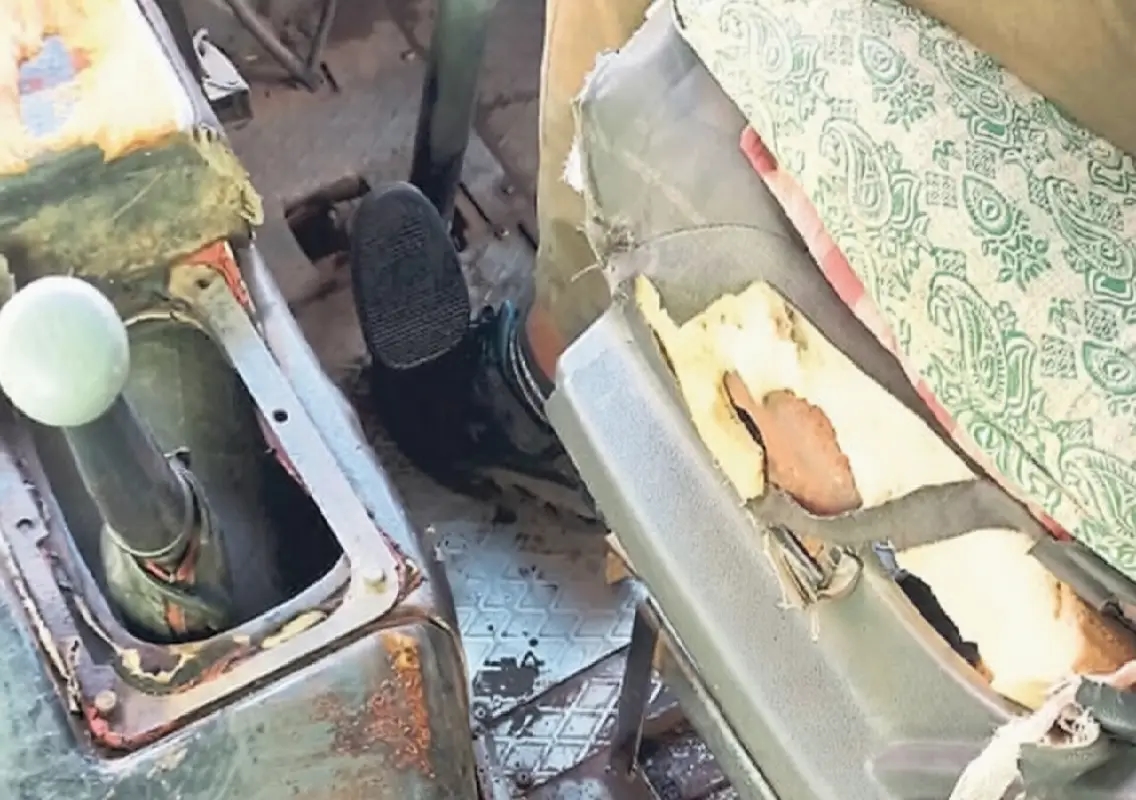


Malpe: Panic and concern have gripped residents of Thenkandiyoor in Malpe after a leopard was suspected to have climbed onto a parked bus and damaged its interior at Garadimajalu on Wednesday night. The unusual incident has raised fresh fears about the movement of wild animals in residential areas along the coastal belt.
Damage noticed on parked bus
The incident came to light on Thursday morning when the bus driver arrived at the parking spot and found the interior of the vehicle damaged. The bus had been parked at its regular location at Garadimajalu after the conductor returned home for the night.
According to local sources, the driver’s seat and several cushions inside the bus were found badly torn. The damage appeared extensive and unusual, prompting initial suspicion that miscreants may have vandalised the vehicle during the night.
The bus owner and local residents immediately alerted authorities after noticing the condition of the bus, seeking clarification on how such damage could have occurred in a normally quiet area.
Paw marks point to leopard presence
What initially appeared to be an act of vandalism took a serious turn after large paw marks were discovered near the bus. Upon closer inspection, the size and shape of the marks led officials to suspect that a leopard may have climbed onto the vehicle and caused the damage.
Forest Department officials who visited the spot said the torn cushions and claw marks inside the bus were consistent with the movement of a large wild animal. While no direct sighting of the leopard has been reported so far, the paw impressions have strengthened the suspicion of leopard activity in the area.
Residents said this is the first such incident involving a parked vehicle in the locality, making the situation all the more alarming.
Forest Department steps up action
Following the discovery, the Forest Department swung into action and deployed preventive measures to track and capture the suspected animal. Two cages have been placed in the Hampankatte area, which is close to Thenkandiyoor and surrounded by vegetation.
Officials said the cages were installed as a precautionary measure, as the area has dense greenery that could provide cover for wild animals. Forest staff are also keeping a close watch on movement patterns and have advised residents to remain alert, especially during night hours.
However, officials admitted that no concrete clues such as fresh pugmarks or camera trap footage have been found so far to conclusively confirm the presence of a leopard.
Residents express fear and anxiety
The suspected leopard movement has caused anxiety among residents of Thenkandiyoor and nearby areas. Many families have expressed concern over the safety of children, elderly people and livestock.
Some residents claimed that stray dogs have been unusually restless at night over the past few days, which they believe could indicate the presence of a predator. Others said they have heard unusual sounds during late hours, though these accounts remain unverified.
Locals have urged authorities to intensify patrolling and install camera traps to monitor the situation and prevent any untoward incidents.
History of wildlife sightings in coastal belt
Wildlife movement into human habitations has been reported from time to time in coastal Karnataka, especially in areas close to forest patches, plantations and water bodies. Experts say shrinking forest cover and availability of food sources near human settlements often draw animals such as leopards closer to villages.
Forest officials reiterated that leopards are elusive by nature and usually avoid human contact. However, accidental encounters can occur, particularly at night.
Advisory issued to public
The Forest Department has advised residents not to venture out alone after dark, to keep doors and windows secured, and to avoid leaving livestock unattended at night. People have also been asked to immediately inform authorities if they spot any wild animal or fresh signs such as paw marks.
Officials stressed that panic should be avoided and cooperation from the public is essential to handle the situation safely and effectively.
Conclusion
While the suspected leopard attack on the parked bus has not yet been conclusively confirmed, the incident has highlighted growing concerns over human–wildlife interaction in the Malpe region. Until clarity emerges, authorities are maintaining heightened vigilance, and residents are hoping for swift action to ensure safety and restore peace in the area.