







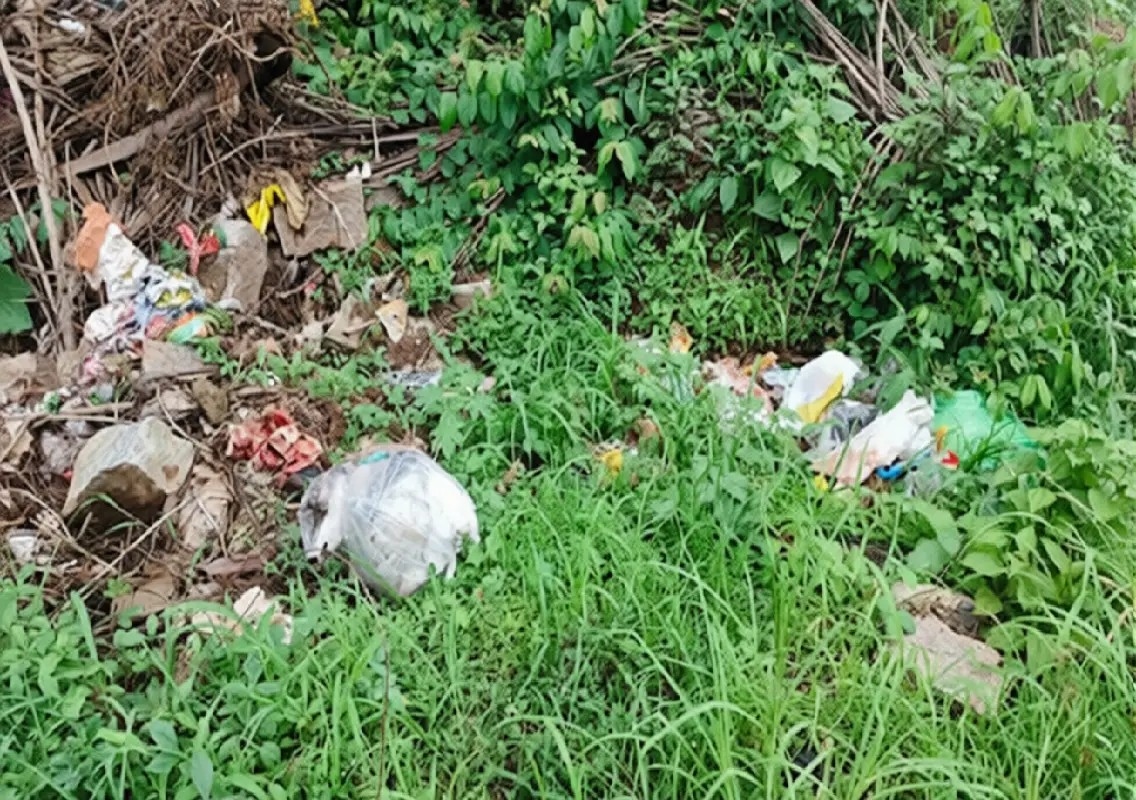


Udupi: As the world marked World Environment Day with renewed emphasis on environmental conservation and sustainable living, Udupi continues to face a growing challenge that threatens its reputation as one of Karnataka’s cleanest and most picturesque coastal districts. Indiscriminate littering by the public remains a persistent problem, affecting beaches, roadsides, markets, riverbanks and residential areas despite repeated awareness campaigns and waste-management initiatives.
The issue has become increasingly visible across the district, where plastic waste, food packaging, disposable cups, bottles and other forms of garbage can be found scattered in public spaces. Environmentalists and civic authorities have expressed concern over the long-term impact of such behaviour on public health, tourism and the environment.
Public spaces increasingly affected by waste
Littering has become a common sight in several parts of the district, including busy commercial centres, tourist attractions and residential neighbourhoods.
Garbage is frequently dumped along roadsides, on vacant plots, near drains and on riverbanks. Such irresponsible disposal practices not only affect the visual appeal of public spaces but also create environmental and sanitation challenges.
Despite regular cleaning efforts by local authorities, waste often reappears within days, highlighting the need for greater public responsibility and behavioural change.
Environmental groups have pointed out that while civic agencies can provide infrastructure and services, maintaining cleanliness ultimately depends on the cooperation of citizens.
Beaches bear the brunt of littering
Among the worst-affected areas are Udupi’s popular beaches, which attract thousands of tourists and local visitors throughout the year.
Large quantities of plastic waste, food containers, bottles and leftover packaging are often left behind after visits, particularly during weekends and holidays.
Environmental activists warn that much of this waste eventually enters the sea, posing a serious threat to marine ecosystems. Plastic debris can harm fish, turtles, seabirds and other marine species through ingestion and entanglement.
The accumulation of waste along the coastline also undermines the district’s efforts to promote sustainable tourism and preserve its natural beauty.
Waste disposal remains a challenge
The problem extends beyond tourist destinations. Improper waste disposal continues to be reported in urban and rural areas alike, despite the availability of waste collection systems.
Municipalities and gram panchayats across the district have introduced door-to-door waste collection and segregation programmes aimed at improving waste management practices.
However, officials note that the effectiveness of these systems depends largely on public participation. Many residents continue to mix wet and dry waste or discard garbage in open spaces instead of utilising designated collection services.
Such practices reduce the efficiency of waste-processing systems and increase the burden on civic authorities.
Plastic waste worsens environmental concerns
The growing use of single-use plastic items remains one of the biggest contributors to the littering problem.
Although restrictions on certain plastic products are in force, their widespread use continues in markets, social gatherings, public events and everyday activities.
Discarded plastic waste can remain in the environment for decades, contaminating soil and water resources while posing risks to wildlife.
During the monsoon season, plastic waste often blocks drainage channels and stormwater systems. This can result in waterlogging and increase the likelihood of urban flooding, particularly in low-lying areas.
Authorities regularly spend significant resources clearing clogged drains and removing accumulated waste from public places.
Community efforts continue
Several social organisations, educational institutions and environmental groups have actively participated in efforts to address the issue.
Beach clean-up drives, tree plantation programmes, awareness campaigns and environmental education initiatives have been organised throughout the district to encourage responsible behaviour.
These programmes aim to educate people about the environmental consequences of littering and promote sustainable practices such as reducing plastic consumption and segregating waste at source.
However, activists stress that lasting results can only be achieved when such practices become part of everyday life rather than occasional campaigns.
A collective responsibility
Environmental experts emphasise that maintaining cleanliness is not solely the responsibility of local authorities.
Every citizen has a role to play by avoiding littering, properly disposing of waste, reducing dependence on single-use plastics and encouraging environmentally responsible habits within their communities.
As World Environment Day highlights the importance of protecting natural resources, Udupi’s waste-management challenge serves as a reminder that meaningful environmental conservation begins with simple individual actions.
A clean street, a litter-free beach and responsible waste disposal practices can collectively contribute to preserving the district’s rich natural heritage for future generations.
The message on this World Environment Day is clear: protecting the environment requires collective action, and keeping Udupi clean is a responsibility shared by every resident and visitor.