







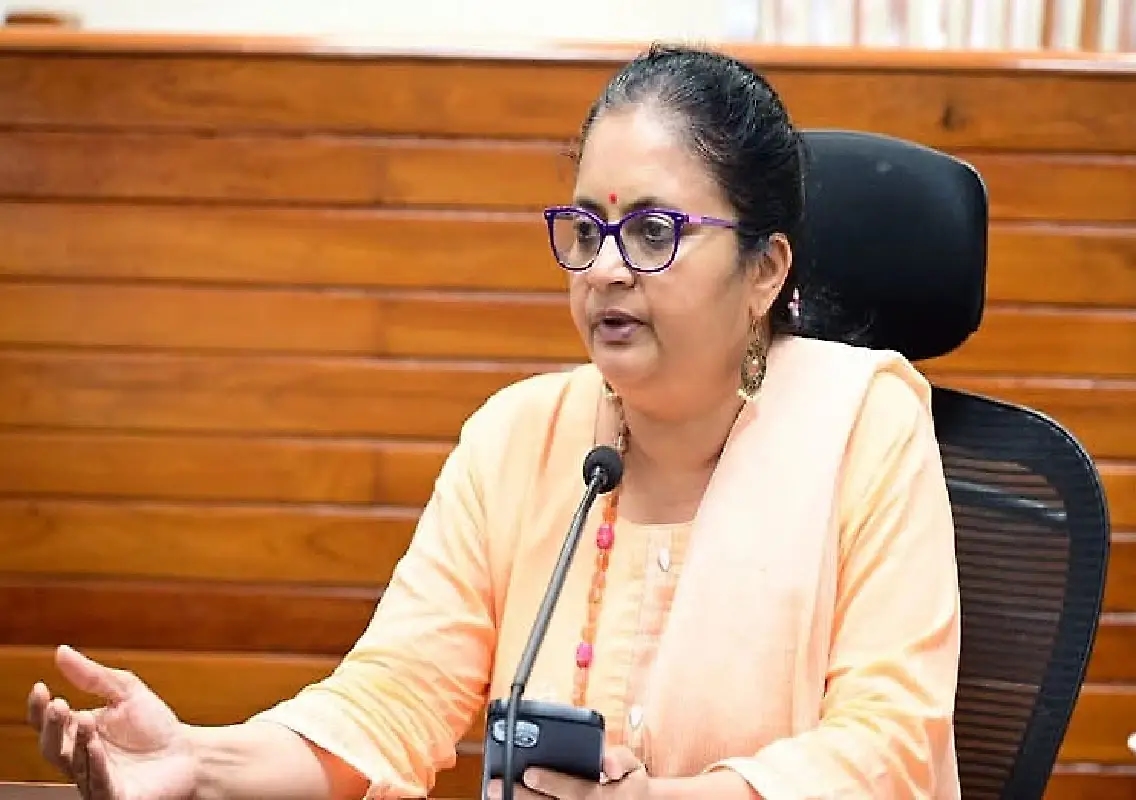


Udupi: Neglecting or abandoning parents or senior citizens could result in imprisonment of up to three months and a fine of Rs 5,000 under the Maintenance and Welfare of Parents and Senior Citizens Act, 2007, Udupi Deputy Commissioner Swaroopa T K said.
She stressed the need for effective implementation of laws and government programmes intended to protect senior citizens and ensure that they live with dignity, security and proper care.
Swaroopa was speaking at a district-level committee meeting held under the Maintenance and Welfare of Parents and Senior Citizens Act, 2007, at the deputy commissioner’s office auditorium in Udupi.
Officials told to prioritise senior citizens
The deputy commissioner directed officials to ensure the speedy disposal of applications relating to the maintenance and welfare of senior citizens.
She also instructed authorities to give priority to cases involving the protection of senior citizens’ property when such matters come before the tribunal.
Swaroopa said the government had introduced several legal provisions and welfare programmes for elderly citizens. However, she stressed that their effectiveness depended on proper implementation by officials at the district and local levels.
She said senior citizens who face neglect or abandonment should be able to access the available legal and administrative mechanisms without unnecessary delays.
2,870 senior citizens identified across district
According to Swaroopa, a revised list of 2,870 senior citizens within the jurisdiction of police stations across Udupi district is being maintained.
The list also includes senior citizens who live alone, enabling the authorities to identify vulnerable elderly people who may require closer attention.
The deputy commissioner directed beat police personnel to visit the homes of such senior citizens once a week and check on their welfare.
She said any problems reported by elderly people during these visits should be addressed on a priority basis.
The initiative is intended to strengthen contact between the police and senior citizens and ensure that elderly people living alone do not remain isolated when they require assistance.
Hospitals asked to give priority treatment
Swaroopa also directed government and private hospitals in the district to provide treatment to senior citizens on a priority basis.
The direction is aimed at making healthcare services more accessible to elderly people, particularly those who may face difficulties due to age or limited mobility.
She emphasised that protecting senior citizens requires coordination between different departments and institutions rather than relying solely on legal provisions.
Police, health authorities, social welfare officials and voluntary organisations all have a role to play in ensuring that elderly residents receive timely support, she said.
Property rights and protection highlighted
The deputy commissioner also drew attention to issues concerning the property of senior citizens.
She said many elderly people transfer their self-acquired property to their children or relatives through gift deeds. In some cases, however, senior citizens may subsequently be denied proper care and maintenance despite having transferred their property.
Swaroopa also highlighted the possibility of fraudulent creation or manipulation of property documents.
She said the law provides a mechanism under which documents relating to property transferred in certain circumstances can be challenged and, where applicable, declared invalid and cancelled.
She called for greater awareness among senior citizens about these legal safeguards so that they understand their rights before transferring their property.
The issue is particularly important for elderly people who depend on their children or relatives for day-to-day support after transferring ownership of their assets.
Awareness programmes in educational institutions
Swaroopa directed officials to organise awareness programmes in schools and colleges to encourage respect and positive values towards senior citizens.
Such programmes should focus on the relationship between older and younger generations and highlight the responsibilities of families and society towards elderly people.
She said awareness among younger generations could help strengthen family and community support systems for senior citizens.
The deputy commissioner emphasised that legal protection alone would not be sufficient unless senior citizens were also treated with dignity and respect in their families and communities.
Committee meeting attended by officials
Additional Deputy Commissioner Abid Gadyal, District Health Officer Dr Basavaraj Hubballi, Assistant Commissioner Rashmi S R, District Disabled Welfare Officer Ratna and Women and Child Development Department Deputy Director Premamurthy K attended the meeting.
District Information Officer Manjunath B, other district-level officials and representatives of voluntary organisations were also present.
The meeting reviewed measures aimed at strengthening the welfare and protection mechanisms available to senior citizens in Udupi district.
Focus on dignity and security of elderly
The directions issued at the meeting place emphasis on both legal protection and day-to-day welfare of senior citizens.
From monitoring elderly people living alone to giving priority to their applications, healthcare and property-related concerns, the measures are intended to provide a wider support system for vulnerable senior citizens.
The deputy commissioner’s emphasis on awareness programmes also seeks to address the issue at the social level by encouraging younger generations to understand their responsibilities towards elderly family members.
With 2,870 senior citizens included in the revised police-station-wise list, regular welfare checks by beat police could provide an additional layer of support to those living alone.
The district administration has stressed that the objective is to ensure that senior citizens are able to live with dignity, safety and access to timely assistance when required.