







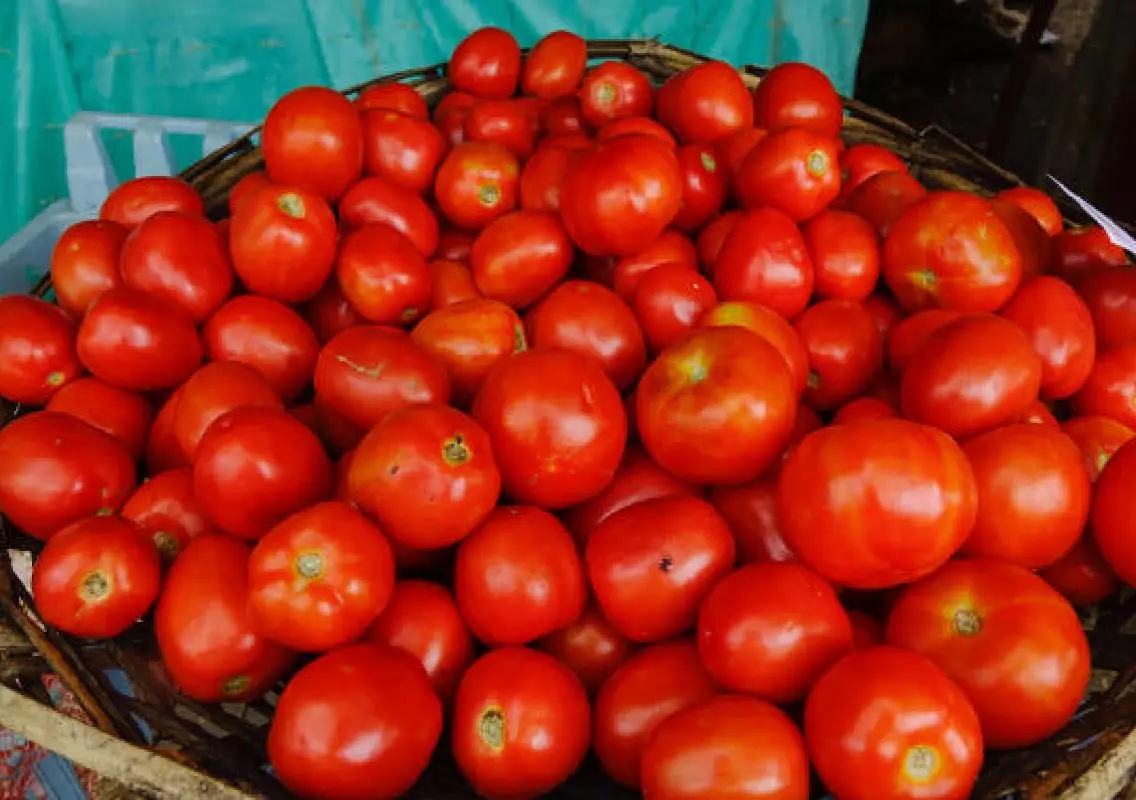


Udupi: Tomato prices have risen sharply in Udupi district, increasing from Rs 30 to Rs 40 per kg within a week and putting additional pressure on household and commercial food budgets.
The retail price of tomatoes, which was around Rs 30 per kg at the end of September, has increased by Rs 10 in just one week. Consumers are now paying around Rs 40 per kg in the retail market.
The sudden increase has been attributed mainly to reduced supply from major tomato-producing districts in Karnataka and rising transportation costs.
Reduced supply pushes prices up
A key reason cited for the increase is the decline in tomato production in Kolar and Chikkaballapura, which are among Karnataka’s major tomato-producing regions.
Farmers in these areas had reportedly faced a combination of inadequate rainfall and sharp price crashes during earlier periods. The poor returns prompted several growers to remove their tomato saplings, resulting in a reduction in cultivation.
The decline in production has subsequently affected the quantity of tomatoes reaching markets.
With supply falling while demand remains steady, retail prices have started moving upwards in Udupi and other markets.
The situation highlights how fluctuations in farm-level prices and cultivation decisions in major producing districts can quickly affect consumers in distant markets.
Transportation costs add to increase
Apart from reduced availability, rising transportation costs are also being cited as an important factor behind the price increase.
Tomatoes are transported to Udupi from production centres in Karnataka and neighbouring regions. Any increase in the cost of fuel, logistics and transportation can add to the final retail price of the perishable commodity.
The combination of lower supply and higher transportation expenses has therefore contributed to the latest increase in tomato prices.
For consumers, the change represents a rise of around 33% from the Rs 30 per kg price recorded at the end of September.
Homemakers face higher kitchen expenses
The increase has raised concerns among homemakers, who are already required to manage household budgets amid fluctuations in vegetable prices.
Tomatoes are a commonly used ingredient in everyday cooking, making sudden changes in their retail price immediately noticeable to consumers.
A Rs 10 increase per kg may appear modest, but repeated increases in the prices of several vegetables can significantly affect monthly household expenditure.
Consumers are therefore keeping a close watch on the vegetable market amid expectations that prices could remain volatile in the coming days.
Hotels also feel the impact
The price increase is also likely to affect hotels, restaurants and other food businesses that use tomatoes in large quantities.
Commercial establishments purchase vegetables regularly and in greater volumes than individual households. Any sustained increase in tomato prices can consequently raise the cost of preparing several dishes.
Hotel owners may eventually have to absorb the additional cost or adjust their menu pricing if vegetable prices remain elevated.
The impact could be more noticeable if tomato prices rise further during the festival period, when demand for food and catering services generally increases.
Dasara raises concern over further increase
With Dasara festivities approaching, consumers are concerned that tomato prices could rise further.
The festival period often sees increased demand for vegetables and other essential food items. Consumers have therefore urged the authorities to monitor the vegetable market and take appropriate measures to prevent unreasonable price increases.
Any further disruption in supply from major producing districts could put additional pressure on retail prices.
Farmers’ losses affect market supply
The current situation also illustrates the impact of sharp price fluctuations on farmers.
When growers receive very low prices for their produce, they may reduce cultivation or remove standing crops to minimise losses. While such decisions can be financially necessary for farmers, a subsequent reduction in production can lead to tighter supplies and higher prices for consumers.
Kolar and Chikkaballapura have a significant role in Karnataka’s tomato supply. A reduction in cultivation in these areas can therefore have consequences beyond the farming communities themselves.
The current increase in Udupi demonstrates the close connection between farm-level production decisions, transportation costs and retail prices.
Consumers seek market intervention
Consumers have urged authorities to monitor tomato prices and overall vegetable supply in the district, particularly during the Dasara period.
They have called for appropriate measures to ensure that adequate quantities of vegetables reach the market and that consumers are not burdened by excessive price increases.
For now, tomato prices in Udupi stand at around Rs 40 per kg, compared with Rs 30 at the end of September. Whether prices stabilise or rise further will depend largely on supply from major producing areas and transportation costs in the coming days.