







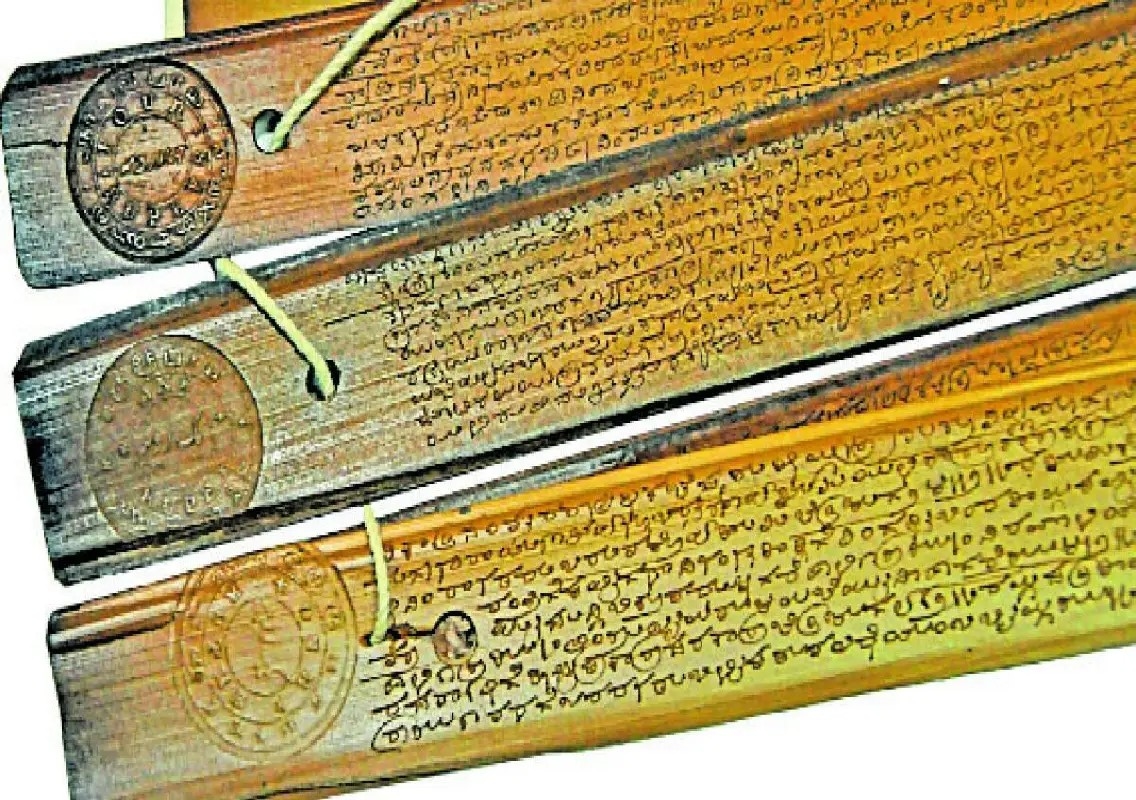


Udupi: A total of 4,756 ancient manuscripts have been digitised in Udupi district as part of Karnataka’s manuscript preservation initiative, while more than 4 lakh manuscripts have been digitised across the state so far, Udupi Deputy Commissioner Swaroopa T K said. She urged individuals and institutions to come forward with information on manuscripts in their possession to help preserve Karnataka’s rich cultural and historical heritage.
Swaroopa was chairing a meeting on the Karnataka Jnana Bhandara Manuscripts and Digitisation Act, 2026, held recently at the Deputy Commissioner’s office at Rajathadri in Manipal.
Digitisation drive gathers pace
Addressing the meeting, the Deputy Commissioner said the statewide survey and digitisation of ancient manuscripts is progressing under the Jnana Bharatham Mission.
She noted that more than 4 lakh manuscripts have already been digitised across Karnataka, while the national digitisation effort has crossed 1 crore manuscripts.
According to her, preserving manuscripts through digitisation is essential to protect India’s historical and cultural legacy for future generations.
“Preserving manuscripts is a vital step towards safeguarding our rich historical and cultural heritage for future generations. People of the district should actively cooperate with this initiative,” she said.
Public urged to participate
Swaroopa appealed to educational institutions, religious organisations and members of the public to actively support the digitisation programme.
She requested universities, mutts, sculptors, astrologers, priests’ households, Brahmin families, temples, libraries, ashrams, Jain basadis, Ayurveda scholars and other custodians of ancient manuscripts to upload details of the manuscripts in their possession through the Jnana Bharatham app.
Officials said wider public participation would help identify and preserve valuable manuscripts that remain in private collections.
Preserving traditional knowledge
The Deputy Commissioner said digitisation would safeguard a vast repository of traditional knowledge contained in ancient manuscripts.
These manuscripts include information on ancient languages and scripts, literary traditions, Ayurveda and medicinal practices, temple architecture, idol carving techniques, customs, rituals and the social practices of earlier generations.
She said digitisation would ensure that this valuable knowledge remains accessible to researchers and future generations while protecting fragile original manuscripts from deterioration.
Awareness campaigns planned
Swaroopa also emphasised the need to increase public awareness about the manuscript digitisation initiative.
She urged urban local bodies and gram panchayats to organise extensive awareness campaigns encouraging people to voluntarily participate in the survey and register manuscripts available in their homes or institutions.
According to officials, greater public involvement will play a key role in identifying undocumented manuscripts and expanding Karnataka’s digital archive of historical records.
Among those present at the meeting were Commissioner Mahantesh Hangaragi, Tourism Department Assistant Director Vindhya N M, Dhanalakshmi from the Department of Archaeology, Museums and Heritage, District Vishwakarma Carpenter Association President Harish Acharya, Ayush Federation of India district unit President Dr T N Anchan, and Saligrama Zone Brahmin Association President Pattabhi Somayaji.