









Udupi: The draft electoral roll prepared under the Special Intensive Revision (SIR) 2026 will be published at 11 am on August 24, Udupi deputy commissioner Swaroopa T K said.
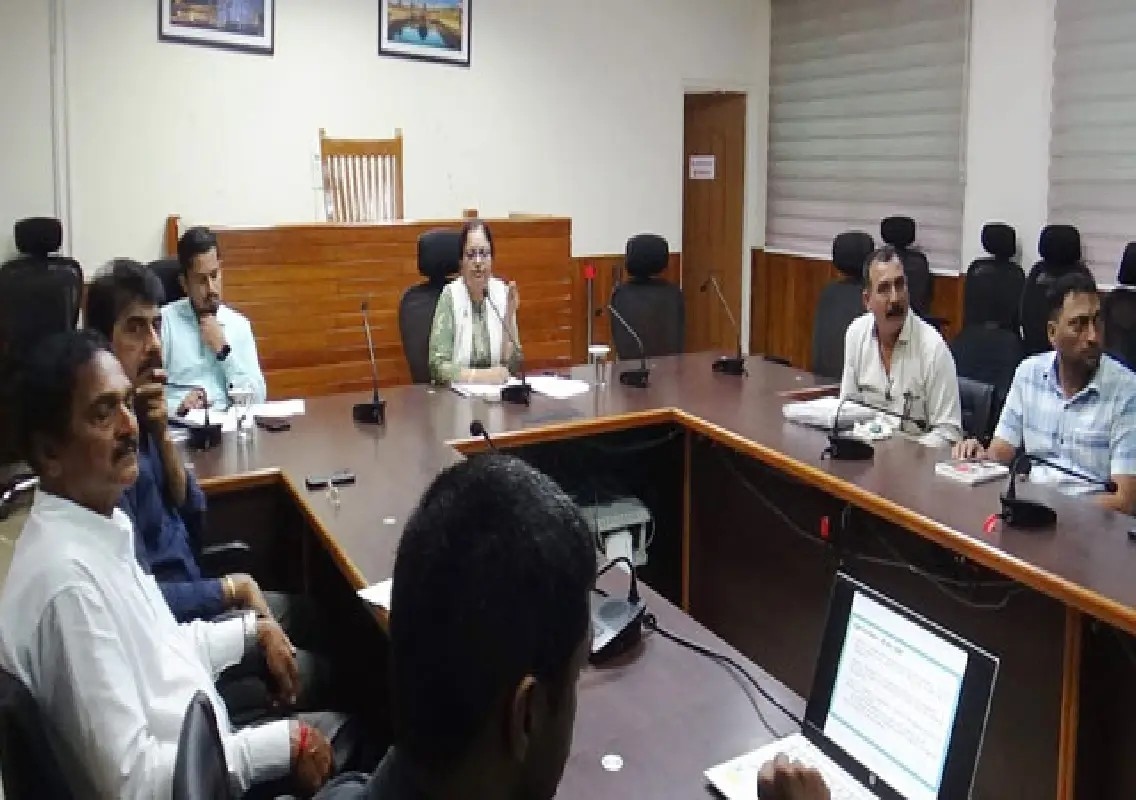
She was speaking at a meeting with representatives of registered and recognised political parties at the deputy commissioner’s office in Rajathadri, Manipal, on Tuesday. The meeting was held to discuss the publication of the draft electoral roll and the activities to be undertaken following its release.
Enumeration process completed
According to the revised SIR-2026 schedule, the door-to-door collection of enumeration forms was completed on August 17.
Of the total 10,63,876 voters registered in Udupi district, enumeration forms relating to 10,00,545 voters have been digitised during the first phase of the revision process.
Swaroopa said the draft electoral roll would be made available to the public on August 24. Following its publication, recognised political parties will be provided with both printed and soft copies of the draft roll.
The publication will mark the completion of the first phase of the special intensive revision exercise in the district and the beginning of the next stage involving verification and adjudication of cases requiring further examination.
Over 63,000 voters excluded from draft roll
As many as 63,331 voters will not be included in the draft electoral roll for various reasons identified during the revision exercise.
The largest category comprises voters who have reportedly permanently migrated from their registered addresses. A total of 29,361 such voters have been identified.
The enumeration process also identified 21,262 deceased voters whose names are proposed to be excluded from the draft roll.
Another 8,374 voters have been identified as having duplicate voter identity cards. In addition, 4,145 voters were categorised as absent, while 189 voters fell under other categories.
The exclusion of these names at the draft stage is part of the revision process. Cases requiring further verification will undergo the prescribed adjudication procedure before final decisions are taken.
Nearly 98,000 voters face adjudication
Across Udupi district’s five Assembly constituencies, 97,697 voters, accounting for 9.18% of the total electorate, will be subject to the adjudication process.
The process is intended to allow the relevant authorities to examine cases where additional verification or documentation is required.
Electoral Registration Officers (EROs) and Assistant Electoral Registration Officers (AEROs) will issue notices to voters concerned at least seven days before the scheduled hearing.
The notice process is intended to provide affected voters with sufficient time to respond and produce the documents required for verification.
BLOs to deliver notices
Booth Level Officers (BLOs) will undertake the task of delivering adjudication notices to voters at their respective addresses.
The BLOs will deliver the notices door-to-door and obtain acknowledgements from the recipients. The acknowledgement, along with a photograph of the recipient, will subsequently be uploaded through the ECINET/BLO app.
This digital process is intended to create a record of notice delivery and acknowledgement as the adjudication stage progresses.
Following the issue of notices, hearings will be conducted at designated locations. The relevant documents will be examined during the hearings before the Electoral Registration Officers take appropriate decisions.
Swaroopa said the authorities would follow the prescribed process of notice, hearing and document verification before deciding cases under adjudication.
Political parties briefed on process
Representatives of registered and recognised political parties attended the meeting and were briefed about the revised schedule and the activities to be carried out following publication of the draft roll.
Providing recognised political parties with printed and digital copies of the draft electoral roll is expected to enable them to examine the list and participate in the revision process as prescribed.
The involvement of political parties is an important part of the electoral roll revision exercise, as representatives can examine the draft and bring discrepancies or concerns to the attention of election authorities.
The district administration has also outlined the next steps, including issuing notices, conducting hearings and verifying supporting documents in cases identified for adjudication.
Officials and party representatives attend meeting
Additional deputy commissioner Abid Gadyal was present at the meeting along with representatives of various political parties.
Among those who attended were BJP’s Chandrashekar Prabhu, JD(S)’s Jayaram Acharya and Congress’s B Vijay.
The meeting provided an opportunity for the district administration to explain the revised SIR-2026 schedule and the procedures that will follow the publication of the draft electoral roll.
With the draft roll scheduled for publication on August 24, attention will now shift to the adjudication process involving the 97,697 voters identified across the district’s five Assembly constituencies.
The subsequent hearings and document verification will determine the status of the names under scrutiny before the electoral roll revision process moves towards its next stage.