







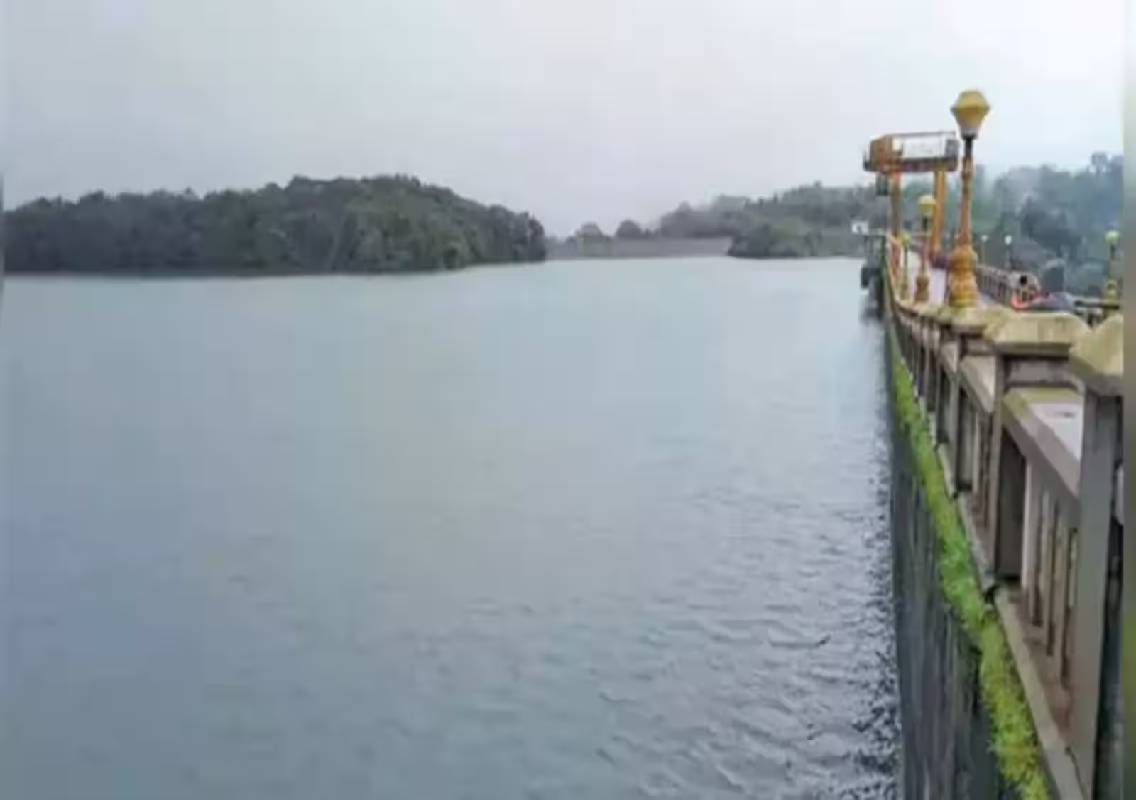


Udupi: For the first time in the history of the Varahi Left Bank Canal, irrigation water has been released ahead of its usual schedule following a shortage of monsoon rainfall in parts of Udupi district. The Varahi Irrigation Corporation began releasing water into the canal in the second week of September, instead of the customary late December or first week of January, offering relief to farmers facing water shortages.
The early release comes amid declining water levels in rivers, streams, ponds and other local water sources in the Kundapur region. The rainfall deficit, along with the reported influence of El Niño, has contributed to falling groundwater levels and increasing stress on agricultural land.
The canal, which extends across approximately 38 km, is expected to support around 6,000 hectares of agricultural land and plantations in several villages. Officials have, however, urged farmers to use the available water carefully because storage levels in the reservoir have declined.
First early release in the canal’s history
Water release through the Varahi Left Bank Canal traditionally begins towards the end of December or in the first week of January for the summer irrigation season. This year, the schedule was advanced by several months as farmers struggled with inadequate rainfall and a shortage of water for their fields.
The canal’s irrigation operations began in 2015 under the leadership of then Irrigation Minister M.B. Patil. Since then, water has generally been released according to the established winter schedule.
The current situation prompted farmers to seek an earlier release, with agricultural fields and plantations facing water stress following the poor monsoon. The Varahi Irrigation Corporation subsequently began supplying water in September.
According to the report, farmers had started requesting water from the first week of September. Officials assessed the situation and decided to advance the release to address the immediate requirements of agricultural land within the canal’s command area.
The decision marks a significant change in the canal’s operating schedule, although officials have cautioned that the availability of water in the coming months will depend on reservoir conditions and the prevailing rainfall situation.
Around 6,000 hectares to benefit
The Varahi Left Bank Canal serves agricultural areas across a 38-km stretch, covering several villages in the Kundapur region. The early release is expected to provide irrigation support to approximately 6,000 hectares of farmland and plantations.
Villages and areas expected to benefit include Ullur 74, Kullanje, Halady, Kakunje, Billadi, Vandaru, Shiriyara, Kollebailu, Hardalli-Mandalli, Yadadi-Mathyadi, Molahalli, Heskattur, Hombadi-Mandadi, Korgi, Koni, Katkare, Kalavara, Asodu and Vakwadi.
For farmers in these areas, the canal provides an important source of irrigation when rainfall and local water availability are insufficient. The early release is particularly significant for fields and plantations that cannot depend entirely on rain during periods of dry weather.
The availability of canal water is expected to help farmers manage their crops and reduce the immediate pressure caused by declining water levels in smaller local water sources.
However, the quantity of water available for continued irrigation remains a concern, given the reduced storage in the reservoir. Farmers have been advised to prioritise essential agricultural needs and avoid unnecessary wastage.
Officials urge farmers to conserve water
Praveen Bhat, Superintending Engineer of the Varahi Irrigation Corporation, said farmers had been requesting water from early September and that the corporation decided to begin the release after assessing the situation.
He said arrangements had been made to ensure that water could be drawn wherever required and to prevent wastage. He also cautioned that the reservoir’s declining water level made it difficult to predict how the situation would develop in the coming months.
The appeal for careful water use is intended to ensure that available supplies support as much agricultural land as possible. With rainfall remaining a concern, farmers may need to manage irrigation schedules according to crop requirements and the water available through the canal.
Officials have emphasised that the early release does not remove the need for conservation. The duration and extent of future supplies will depend on reservoir storage and the broader water situation.
Rainfall shortage affects groundwater and farming
The shortage of rainfall has affected several natural water sources in the region. Falling levels in rivers, streams, ponds and wells have increased pressure on farmers who rely on these sources for irrigation.
Farmer leader Hariprasad Shetty Kanakki said the rainfall deficit and El Niño-related conditions had contributed to falling groundwater levels and reduced river flows, leaving agricultural fields without adequate water.
He also highlighted the importance of the Varahi project, under which water released after power generation at the Karnataka Power Corporation facility can be channelled towards agricultural fields.
The use of water from the Varahi system has been particularly important during the current period of water stress, he said. The early canal release has therefore provided a measure of relief to farmers who had been seeking irrigation supplies.
Water availability remains uncertain
Although the early release has helped address immediate irrigation needs, officials have warned that water availability could become a challenge if reservoir levels continue to fall.
Farmers across the canal’s command area have been asked to use water judiciously and plan their irrigation according to actual crop requirements. Avoiding wastage will be important to ensure that available supplies reach the largest possible area.
The situation also highlights the importance of reliable irrigation infrastructure in regions where agricultural production is vulnerable to fluctuations in rainfall.
For now, the Varahi Left Bank Canal has offered support to farmers facing a difficult monsoon season. Whether the supply can be maintained through the coming months will depend on reservoir storage, rainfall and the careful management of the available water.