







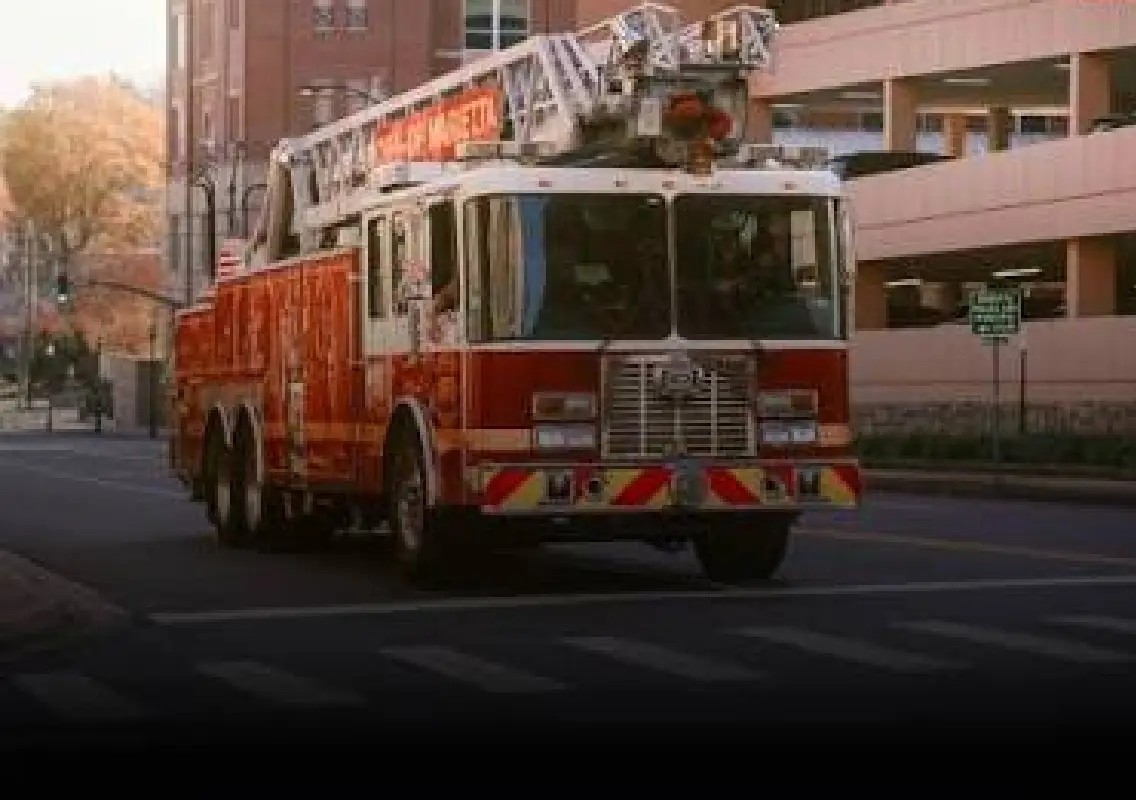


Islamabad: Fifteen newborn babies were killed after a fire broke out in the gynaecology ward of the Pakistan Institute of Medical Sciences (PIMS) in Islamabad early on Wednesday, in a devastating incident that has raised fresh concerns over safety arrangements in neonatal and maternity facilities.
According to officials, 16 newborns were inside the nursery when the fire broke out at around 7 am. Rescue teams managed to evacuate the ward, but only one baby could reportedly be rescued alive. The remaining 15 newborns died in the fire.
The blaze occurred at the major government hospital in Pakistan’s federal capital, prompting an immediate emergency response from rescue personnel and hospital authorities.
Initial information indicated that the fire may have started after an air-conditioner compressor exploded inside the nursery. Rescue officials cited the compressor as the suspected source of the blaze, although a detailed investigation will be required to establish the exact cause.
Fire breaks out in hospital nursery
The fire reportedly erupted in the gynaecology ward at around 7 am, when the nursery was housing 16 newborn babies.
The ward was quickly engulfed by the blaze, creating an extremely difficult situation for hospital staff and rescuers. Newborns are particularly vulnerable during emergencies because many require constant medical support and may not be able to be moved quickly without specialised equipment and personnel.
Rescue teams were dispatched to the hospital after the fire was reported. They worked to extinguish the flames, evacuate people from the affected area and carry out cooling operations once the fire was brought under control.
Despite the emergency response, 15 newborns could not be saved.
The scale of the tragedy has shocked the capital and drawn attention to the safety arrangements in facilities caring for newborns and mothers.
Air-conditioner compressor suspected to have caused blaze
According to preliminary information reported by local officials and media, an air-conditioner compressor exploded inside the nursery and may have triggered the fire.
The suspected equipment failure is now expected to form an important part of the investigation.
At this stage, authorities have not provided a final determination of the cause. A full investigation will be needed to establish whether the compressor malfunctioned, whether there were electrical problems or whether any other factor contributed to the outbreak and rapid spread of the fire.
The condition of the equipment, electrical installations and fire-safety arrangements inside the ward are likely to come under scrutiny as officials examine what happened.
Investigators may also examine whether the nursery had adequate fire alarms, extinguishing systems, emergency exits and evacuation procedures.
Rescue teams launched immediate operations
Emergency personnel rushed to PIMS after receiving information about the fire.
Their response involved several stages, including extinguishing the blaze, evacuating people from the affected area and cooling the site after the fire was brought under control.
Rescue teams had to work in an environment where smoke and flames posed significant risks while newborns were inside the ward.
The emergency operation ultimately resulted in one baby being rescued, while 15 others died.
The incident has once again highlighted the difficulties emergency responders face when fires break out in specialised hospital wards where patients may be unable to evacuate independently.
Tragedy raises hospital safety concerns
The deaths have raised questions about fire safety in neonatal and maternity facilities, where patients can be particularly vulnerable.
Unlike many other hospital patients, newborn babies cannot independently move away from a fire or smoke-filled environment. Premature and critically ill babies may also require incubators, oxygen, monitoring systems and other equipment, making emergency evacuation even more complicated.
Hospitals therefore require specialised fire-prevention and evacuation plans for such wards.
The Islamabad incident is likely to prompt scrutiny of the safety measures in place at the affected PIMS facility, particularly the condition and maintenance of electrical and air-conditioning equipment.
Officials may also examine whether staff were adequately prepared to respond to a fire and whether evacuation procedures were capable of being implemented quickly enough.
Investigation expected to examine safety arrangements
While the suspected air-conditioner compressor failure provides an initial indication of how the fire may have started, the precise cause remains subject to investigation.
Authorities are expected to establish how the fire began, how quickly it spread and whether there were any failures in the hospital’s safety systems.
Investigators could also assess the availability and functionality of fire extinguishers, alarms, emergency lighting and other equipment designed to protect patients and staff.
The layout of the nursery and the availability of safe evacuation routes may also be examined.
Determining these factors will be important not only for establishing responsibility but also for preventing similar tragedies in other hospitals.
PIMS is a major hospital in Islamabad
The Pakistan Institute of Medical Sciences is a major public healthcare facility serving Islamabad and surrounding areas.
The hospital provides a range of medical services, including specialised treatment and maternity care. Its gynaecology facilities therefore cater to mothers and newborn children who may require close medical supervision.
The fire in such a sensitive area has made the incident particularly serious.
The deaths of 15 newborns represent a devastating loss for their families, many of whom would have been expecting to take their children home after treatment.
The incident has also placed a focus on the need for hospitals to maintain high standards of fire prevention and emergency preparedness.
One newborn survives
Of the 16 newborns reportedly present in the nursery when the fire started, only one was rescued.
The survival of the baby offers a small measure of relief amid the otherwise devastating loss, although further details about the child’s condition have not been provided in the initial reports.
The authorities and hospital management are expected to provide further information as the emergency response and investigation continue.
Meanwhile, the families affected by the deaths face the difficult task of coping with an enormous loss.
Focus shifts to accountability and prevention
The immediate emergency has been brought under control, but questions surrounding the tragedy are likely to remain.
A hospital nursery is expected to have particularly stringent safety measures because newborns cannot protect themselves during an emergency. Any shortcomings in equipment maintenance, fire detection or evacuation procedures could have serious consequences.
The investigation will therefore be important in determining whether the fire was solely the result of an equipment failure or whether other factors contributed to the loss of life.
If safety deficiencies are identified, authorities will need to consider corrective measures across hospital facilities, particularly in neonatal and maternity wards.
Regular inspections and maintenance of electrical systems, air-conditioning equipment and fire-safety infrastructure can play an important role in reducing the risk of similar incidents.
A devastating loss
The Islamabad hospital fire has resulted in the deaths of 15 newborns in one of the most tragic circumstances imaginable for their families.
With 16 babies reportedly inside the nursery when the fire broke out, the scale of the loss has also highlighted the unique challenges of protecting newborns during hospital emergencies.
While preliminary information points to an air-conditioner compressor as the possible source of the fire, the exact cause and circumstances will have to be established through a detailed investigation.
Beyond determining what went wrong, the tragedy underscores the need for hospitals to maintain rigorous fire-safety standards, particularly in wards housing patients who cannot evacuate without assistance.
For the families who lost their newborn children, however, the investigation cannot undo the tragedy. The priority now is to establish the facts, ensure accountability wherever necessary and strengthen hospital safety measures so that such a devastating incident is not repeated.