







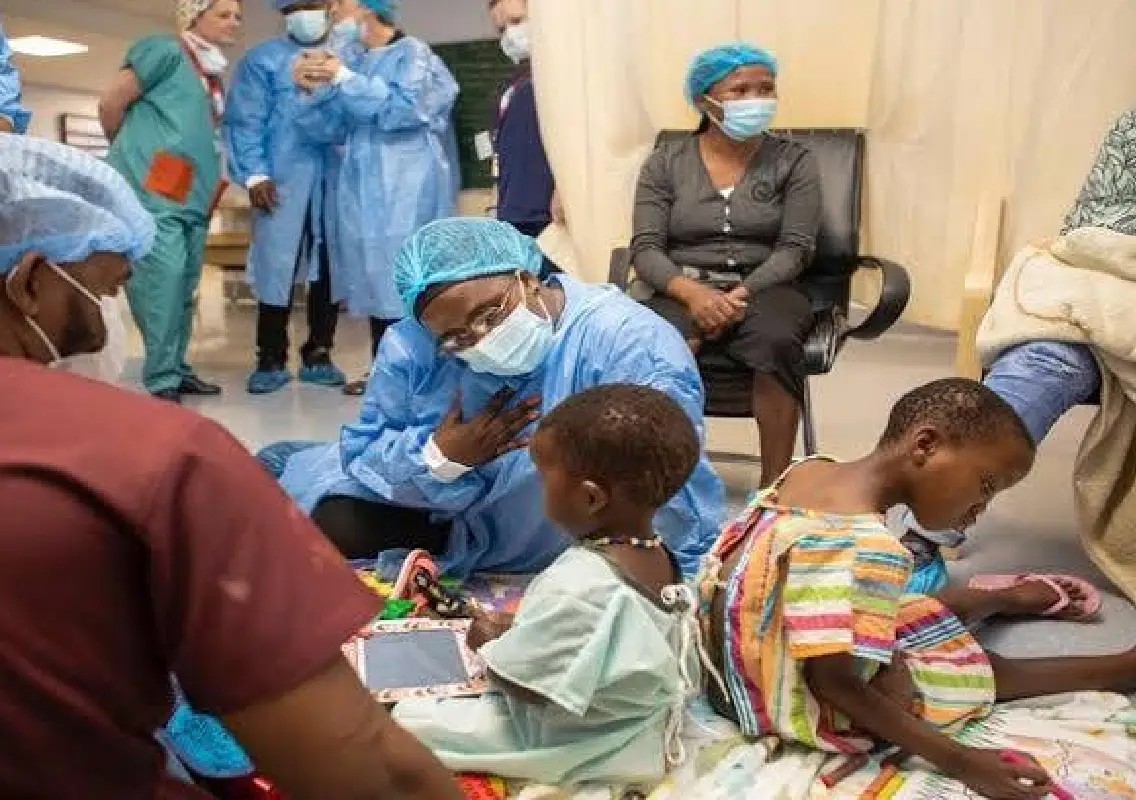


Healthcare experts have raised alarm over a growing shortage of critical anaesthesia supplies in parts of Africa, warning that thousands of children could face delays or cancellations of life-saving surgical procedures.
According to medical professionals and international health organisations, shortages of key anaesthetic medicines and equipment are affecting hospitals and healthcare facilities across several countries, placing vulnerable young patients at increased risk.
Essential surgeries under threat
Anaesthesia plays a crucial role in enabling safe surgical procedures. Without adequate supplies, doctors may be unable to perform operations ranging from emergency interventions to treatments for congenital conditions, injuries, and other serious illnesses.
Health experts warn that children are particularly vulnerable because delays in surgery can have long-term consequences for their health, development, and quality of life.
Growing pressure on healthcare systems
Many healthcare systems across Africa already face challenges including limited resources, workforce shortages, and funding constraints. The shortage of anaesthesia supplies has added further pressure on hospitals that are struggling to meet patient needs.
Medical professionals say some facilities have been forced to postpone non-emergency procedures, while others are attempting to manage limited stock by prioritising the most urgent cases.
Calls for urgent international action
Public health advocates are urging governments, pharmaceutical manufacturers, and international organisations to work together to restore supply chains and ensure access to essential medicines.
Experts emphasise that access to safe anaesthesia is a fundamental component of modern healthcare and a critical requirement for achieving broader global health goals.
The situation has highlighted the importance of resilient medical supply systems capable of supporting healthcare services during periods of disruption. Health organisations warn that without swift intervention, the shortage could have serious consequences for thousands of children requiring urgent surgical care.
As efforts continue to address the crisis, healthcare providers are calling for immediate measures to protect vulnerable patients and prevent avoidable suffering.