







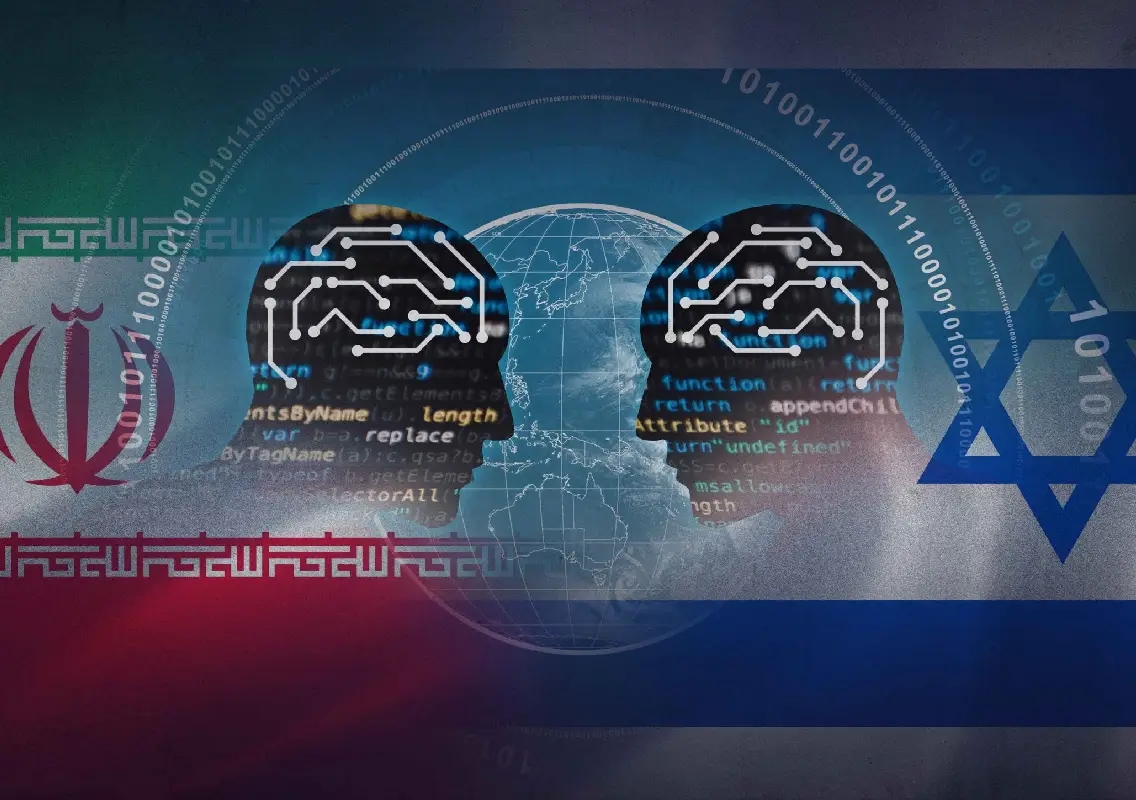


Reports suggesting that artificial intelligence systems were used to analyse intelligence and assist in operational planning during the recent Iran strike have triggered intense debate among defence experts and technology analysts about the future of warfare.
According to reports in international media, advanced AI tools were used to process vast amounts of intelligence data and simulate military scenarios, significantly accelerating decision-making during the operation.
AI speeds up military decision-making
Military analysts say the technology dramatically shortened what is known as the “kill chain”—the process of identifying a target, analysing intelligence, securing approvals, and executing a strike.
Tasks that previously required teams of analysts working for days or weeks were reportedly completed within minutes with the help of AI systems capable of processing enormous volumes of data.
The technology analysed large streams of intelligence inputs, including communications, field reports and other sources, helping analysts quickly identify potential targets.
From analysis to strategy
Beyond data processing, reports suggest that AI tools were also used for simulated battle planning and scenario modelling.
By running multiple strategic simulations, the systems were able to predict possible responses and evaluate different operational outcomes. This helped planners estimate potential retaliation and assess interception strategies.
Defence experts say such tools are increasingly being integrated into modern military planning to improve speed and efficiency in complex operations.
Ethical concerns and human oversight
The growing role of artificial intelligence in defence systems has also raised ethical and security concerns among academics and policy experts.
Some researchers warn that rapid AI-generated recommendations could create what experts call “decision compression”, where the speed of machine-generated analysis leaves little time for human deliberation.
In such situations, there is concern that human decision-makers might increasingly act as approvers rather than active analysts, relying heavily on automated recommendations.
Expanding role of tech companies
The development of military AI systems is closely linked with major technology companies working with defence agencies.
While some firms have expressed concerns about the use of AI in surveillance or autonomous weapons, others have agreed to allow their systems to operate within secure government and defence environments.
Experts say the evolving relationship between technology companies and national security agencies could shape the next phase of AI-driven defence innovation.
Debate over the future of work
Beyond the battlefield, analysts say these developments also highlight the wider impact of artificial intelligence on the global workforce.
If AI systems can rapidly analyse complex geopolitical intelligence and strategic scenarios, similar technologies may increasingly transform professions such as data analysis, logistics, finance, and legal research.
As governments and industries continue to adopt advanced AI systems, the debate over automation, accountability, and human oversight is expected to intensify worldwide.