







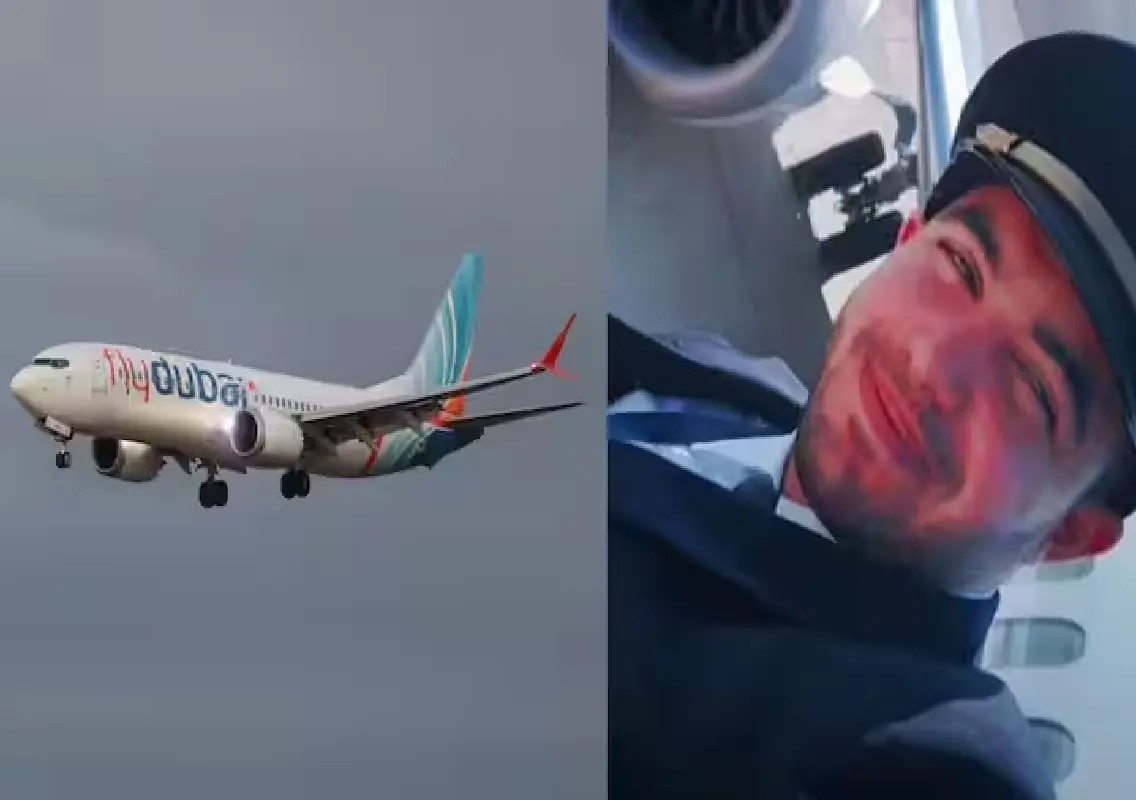


Dubai: Al Qaeda has reportedly praised the attempted takeover of a Flydubai flight travelling from Dubai to Tel Aviv and called on its supporters to carry out similar attacks against aircraft carrying Americans, Israelis and others it considers enemies.
The appeal reportedly appeared in the latest edition of al-Bayan, a weekly propaganda publication launched in July by supporters of the terror group. The publication invoked the September 11, 2001, attacks in the United States while referring to the recent incident involving Flydubai Flight FZ1073.
According to a report by the New York Post, the publication carried imagery referring to both the 9/11 attacks and the Flydubai incident. Its messaging praised the alleged attacker and sought to portray the confrontation involving the United States and Israel as an ongoing conflict.
The material was reportedly circulated through Al Qaeda-linked Telegram channels on Saturday before apparently being removed.
Propaganda publication invokes 9/11
The reported use of 9/11 imagery is significant because Al Qaeda has historically used the attacks to promote its extremist propaganda and encourage violence.
The latest publication reportedly sought to draw a connection between the 2001 attacks and the attempted takeover of the Flydubai aircraft. It praised the alleged attacker and called for similar acts of violence against aircraft.
Such material is being viewed in the context of continuing concerns over extremist propaganda and its potential to encourage copycat violence. Authorities and security agencies routinely monitor extremist communications for indications of threats, recruitment efforts and attempts to inspire attacks.
The publication’s reported messaging does not establish that the Flydubai incident was directed or organised by Al Qaeda. However, its praise of the incident and subsequent calls for further attacks have raised additional security concerns.
Questions emerge over alleged attacker’s social media accounts
The propaganda appeared as questions continued to surround social media activity attributed to the alleged attacker, identified in reports as Omani national Hamam al-Hammami.
According to a CNN report, posts appeared on his LinkedIn and Instagram accounts around nine hours after the Flydubai incident had been thwarted, despite the fact that he was already in custody.
Both accounts were subsequently deleted. It remains unclear who uploaded the posts or whether the material had been scheduled in advance.
One of the posts reportedly contained cockpit footage showing Israeli aircraft in the vicinity before ending with an image of Ayman al-Zawahiri, who succeeded Osama bin Laden as Al Qaeda’s leader and was killed in 2022.
The social media activity is likely to form part of the wider investigation into the alleged attacker’s background, motives and possible extremist links.
Indian pilot fought to regain control
The incident itself began when Indian Captain Smit Machchhar was allegedly attacked inside the cockpit by his co-pilot. The co-pilot reportedly stabbed him and attempted to take control of the aircraft.
Machchhar later described the incident while speaking to Israeli Prime Minister Benjamin Netanyahu from his hospital bed.
According to his account, the flight had been proceeding normally when the co-pilot asked to pray. Machchhar said he turned his attention towards the front of the cockpit out of respect.
Minutes later, he felt a heavy blow to the back of his head.
Initially, the pilot said he believed the aircraft might have suffered some form of serious problem. As the assault continued, however, he realised that he was being attacked by the other person inside the cockpit.
Machchhar said his vision became severely blurred and that he subsequently realised the aircraft was rapidly descending.
Despite his injuries and confusion, the Indian pilot managed to make another attempt to reach the cockpit door. He eventually pushed himself towards the door and opened it, allowing people outside to enter the cockpit and help regain control of the aircraft.
Describing the moment to Netanyahu, Machchhar said he had one final fight left in him and that he believed he would die if he did not act.
His actions were central to preventing the situation from developing into a potentially catastrophic incident involving passengers and crew.
Reports raise questions over co-pilot’s background
Further questions have emerged over the alleged attacker’s professional history.
A Wall Street Journal report, citing people familiar with the matter, said the co-pilot had previously been banned from flying in Oman amid concerns over alleged radical views.
The report said he was later hired by Flydubai and was permitted to operate the sensitive UAE-Israel route. It remains unclear whether the reported concerns had been communicated to other countries or airlines, or what precisely was meant by the allegations concerning his views.
These claims remain part of the investigation and have not, by themselves, established the full circumstances surrounding the alleged attacker’s employment or radicalisation.
The UAE is leading the investigation into the incident. Israeli officials have described the episode as terrorism, while Netanyahu has said the attacker had undergone Islamic radicalisation and intended to crash the aircraft.
Investigation continues amid wider security concerns
The reported Al Qaeda propaganda has added another dimension to an already serious aviation security investigation. Authorities will now be examining not only what happened inside the aircraft but also the alleged attacker’s background, online activity, professional history and any possible extremist connections.
At the same time, the reported calls for copycat attacks underline the continuing threat posed by extremist propaganda, particularly when incidents involving commercial aviation are portrayed as models for further violence.
The investigation remains ongoing, and several questions surrounding the alleged attacker’s motives, background and online activity are yet to be conclusively answered. Officials are expected to establish the full chain of events before drawing final conclusions about the incident and any wider extremist links.