







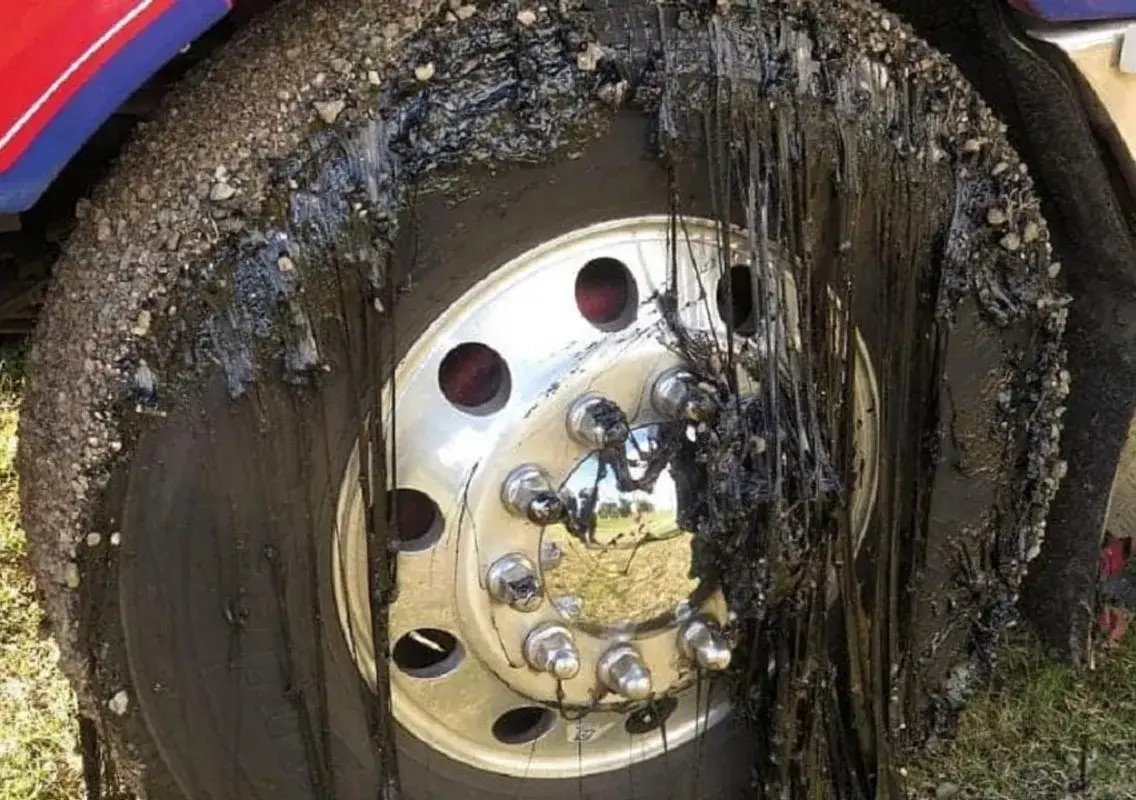


Residents of Arizona in the United States are experiencing the harsh effects of an intense heatwave, with reports emerging of car hoods swelling, asphalt softening, and plastic materials melting under extreme temperatures.
Images and videos circulating on social media show the visible impact of the scorching weather on infrastructure and vehicles. In several areas, road surfaces reportedly softened due to prolonged exposure to high temperatures, while plastic components on vehicles and outdoor installations showed signs of warping and heat damage.
Heatwave exposes infrastructure challenges
Arizona is no stranger to extreme summer temperatures, but prolonged periods of intense heat can place enormous strain on roads, vehicles, and public infrastructure. Asphalt, which absorbs and retains heat, can soften and deform when temperatures remain exceptionally high for extended periods.
Vehicle owners are also being advised to take precautions, as prolonged exposure to direct sunlight can damage paint, plastic fittings, tyres, and other exterior components.
Health and safety concerns grow
Authorities have repeatedly urged residents to limit outdoor activities during peak afternoon hours, stay hydrated, and monitor vulnerable individuals, including children, the elderly, and those with underlying health conditions.
Extreme heat remains one of the deadliest weather-related hazards in many parts of the world. Experts warn that prolonged exposure can lead to heat exhaustion, heatstroke, and other serious health complications.
Rising temperatures draw global attention
The incident has renewed discussions about the increasing frequency and intensity of heatwaves being experienced across several regions worldwide. Climate experts have highlighted how extreme weather events are becoming more common, placing additional pressure on urban infrastructure and public services.
As temperatures continue to rise during the summer season, officials are encouraging residents to follow safety advisories and take preventive measures to protect themselves from the effects of excessive heat.