







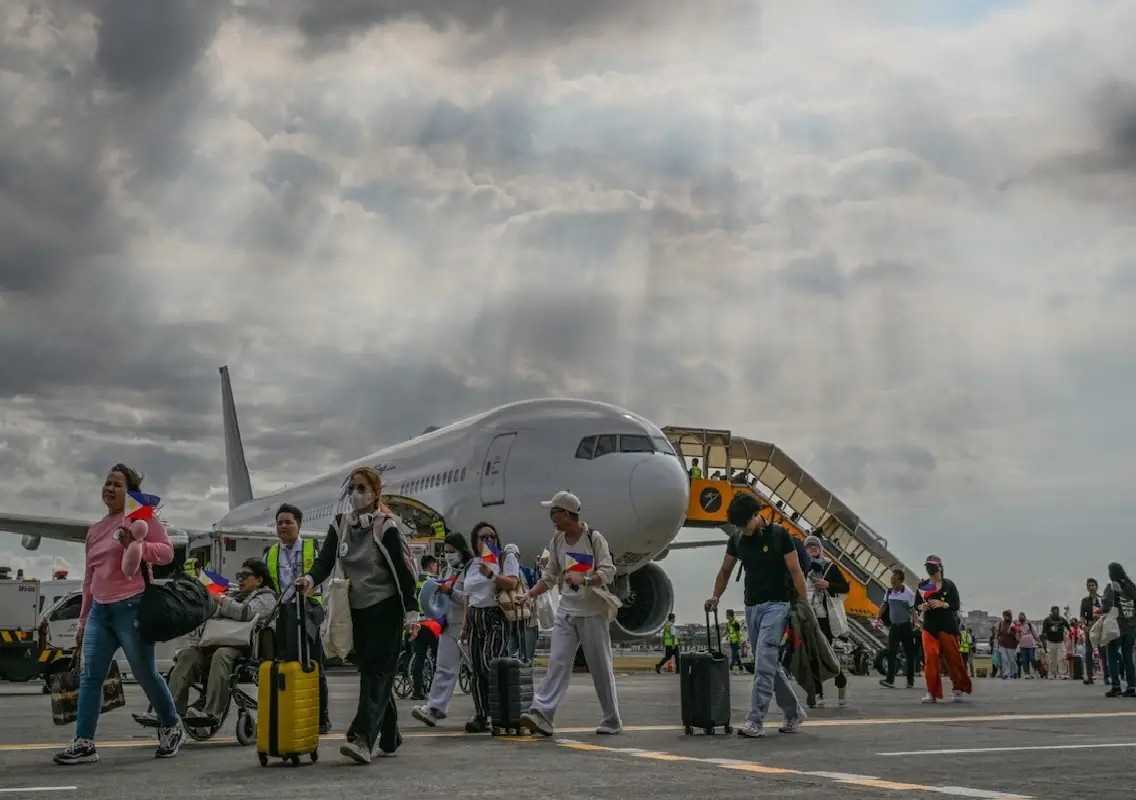


Dubai: Millions of Asian migrant workers who keep Gulf economies running are facing a growing but often overlooked danger as regional conflicts threaten their homes, workplaces and livelihoods.
The issue has gained renewed attention following the latest Gulf conflict, which has exposed how poorly existing labour systems protect migrant workers during wartime. A recent analysis by The Diplomat argues that workers from South Asia have increasingly become among the forgotten civilian victims of regional violence.
Migrant workers are often closest to danger
Migrant workers make up a large share of the workforce in Gulf countries and are employed in construction, logistics, transport, hospitality, security, ports and other essential services.
These jobs can place workers close to infrastructure affected by missile strikes, drones and other military threats. Human Rights Watch has also highlighted wider occupational safety concerns affecting migrant workers across the Gulf.
During the recent conflict, migrant workers from Bangladesh, Pakistan and Nepal were among those affected. The Diplomat cited Human Rights Watch figures showing at least 11 civilian deaths and 268 injuries across the Gulf by March 16, with migrant workers accounting for most of the victims.
Going home is not always an option
For many workers, leaving a conflict zone is far more complicated than booking a flight home. Recruitment costs, loans, family responsibilities and dependence on wages can make sudden departure financially devastating.
Workers may also depend on employers for accommodation, transport, documents and information, leaving them particularly vulnerable when normal services are disrupted.
The experience has also highlighted the importance of stronger emergency systems. India, for instance, has established monitoring and evacuation measures for its nationals, including seafarers. The government said 3,972 Indian seafarers had been repatriated from the Gulf region following the escalation.
Countries must prepare before the next crisis
Experts are calling for stronger regional cooperation, including emergency evacuation arrangements, multilingual safety information, access to shelters, wage protection and compensation for workers injured or killed during conflicts.
The Abu Dhabi Dialogue, which brings together labour-sending and receiving countries, is already discussing social protection and ethical labour migration.
For millions of Asian families dependent on Gulf employment and remittances, protecting migrant workers cannot remain an afterthought. Their safety must be treated as an essential part of regional security, not as a cost of doing business.