







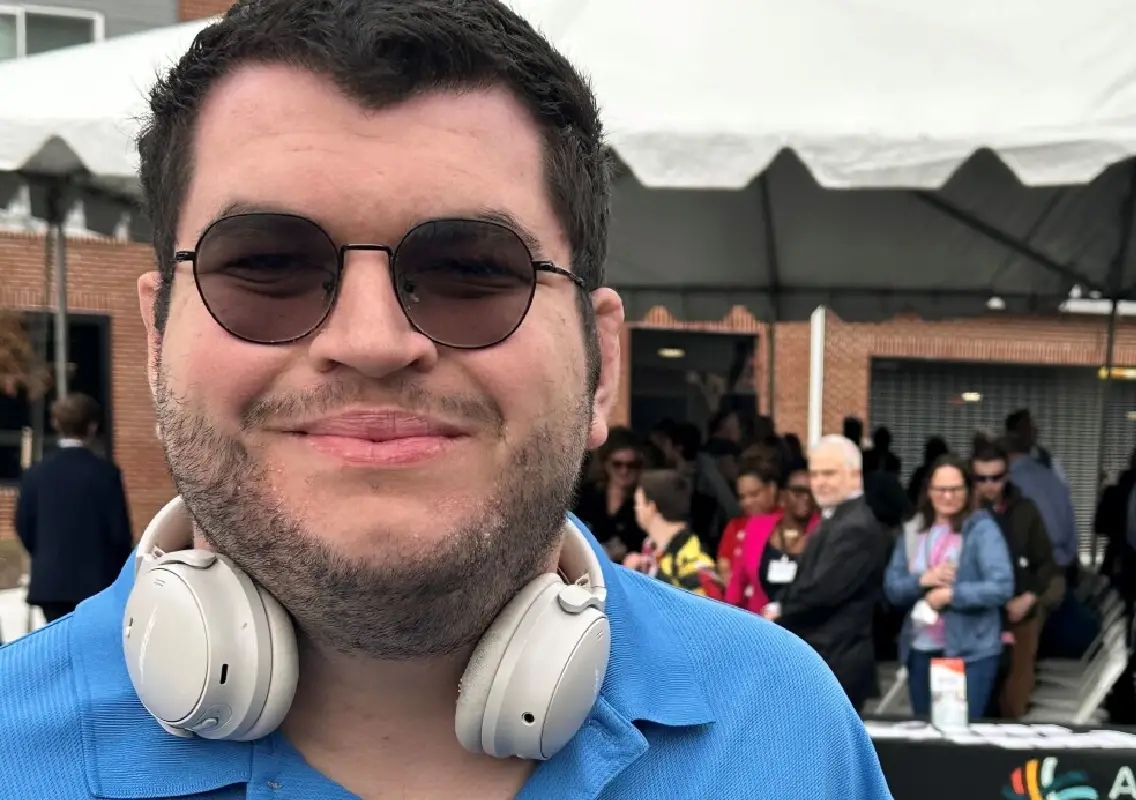


A 25-year-old autistic man in the United States was shot dead by police after calling 911 during a mental health crisis and requesting a wellness check, raising concerns about how emergency services respond to individuals with disabilities.
The victim, Alex LaMorie, had recently moved into Patuxent Commons, a residential complex designed to support individuals with autism and other disabilities.
According to his family, LaMorie had relocated to the community just three days before the incident.
Call for help turns tragic
On February 28, LaMorie reportedly experienced a mental health crisis and followed a safety plan developed with his family, which advised him to call police for a wellness check if he felt unsafe.
Earlier that day, he had sent his mother an encouraging message saying, “Life is too short to be mad at everyone, so I’m nice to almost everyone instead.”
Later, he told her he was in distress and had contacted emergency services.
When officers arrived at the apartment complex in Columbia, Maryland, they initially searched the building but were unable to find him.
Police say he approached with a knife
Authorities said officers later saw LaMorie walking toward them from a parking lot while holding a knife.
Police claimed they repeatedly instructed him to drop the weapon, but he continued moving toward them. Three officers then opened fire, fatally shooting him.
The officers involved — Joel Rodriguez, Cody Bostic and Joseph Riebau — have been placed on administrative leave pending investigation.
Officials from the Maryland Office of the Attorney General said body camera footage of the incident may be released within 20 days.
Advocate remembered by family and community
Friends and family described LaMorie as a compassionate and passionate advocate within the autism community.
He had spoken publicly about grief and autism and served on the advisory board of the Autism & Grief Project, helping others navigate emotional challenges.
Diagnosed with autism at age 13, LaMorie had previously spoken openly about his experiences, saying autism shaped his identity and relationships.
His family remembered him as “a kind, loving and enthusiastic person” who had worked hard to maintain his mental health and stability.
The incident has renewed discussions about crisis response protocols and the need for specialised approaches when dealing with individuals experiencing mental health emergencies.