







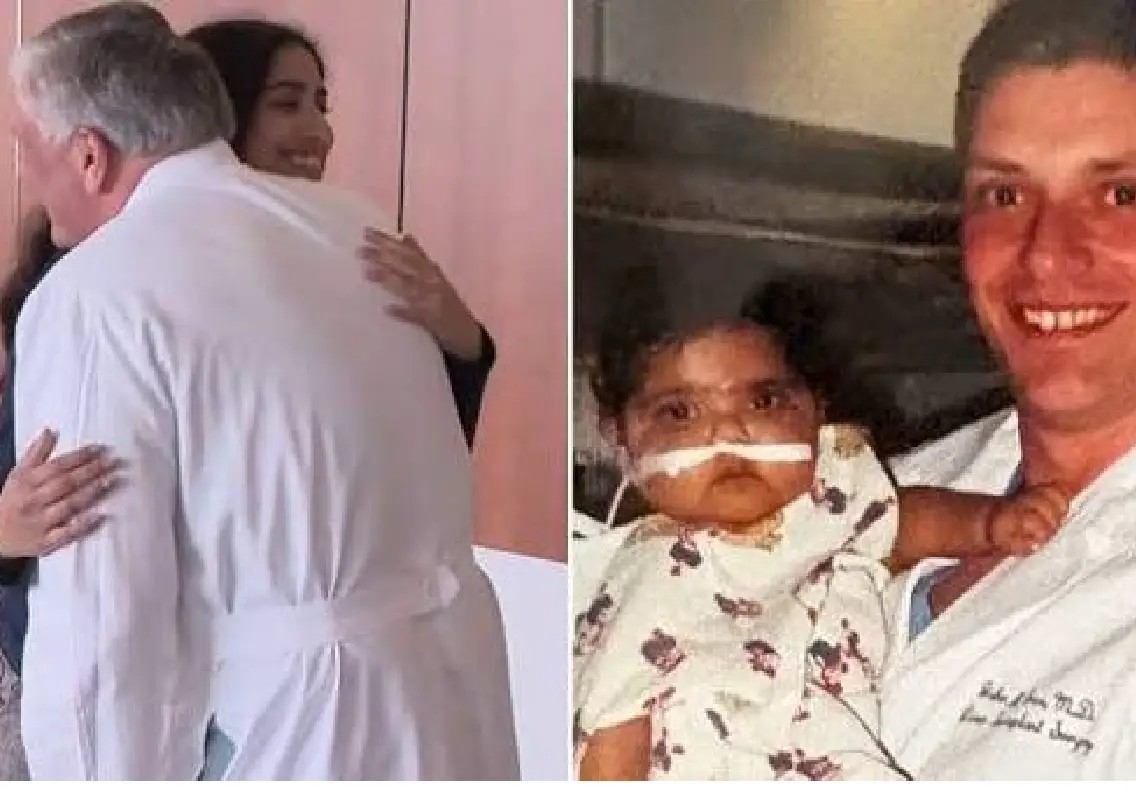


On September 11, 2001, as the United States grappled with the devastating terrorist attacks that claimed nearly 3,000 lives, a six-month-old baby in Houston was fighting for her own chance at survival.
The infant urgently needed a liver transplant, but the attacks had brought commercial air travel across the country to a standstill. With time running out, an extraordinary effort began to get a donated liver to the child.
A race against time when flights stopped
The donated organ was located about 800 miles away. With normal flights grounded, transporting it to Houston appeared almost impossible.
Strangers and officials stepped in to help. A C-130 military aircraft was used to move the organ, overcoming the travel restrictions imposed after the attacks.
The liver was eventually delivered to Houston, allowing doctors to proceed with the transplant.
A second chance at life
The transplant gave the baby a chance to survive at a time when the country was experiencing one of its darkest days.
The story has remained a remarkable example of how medical teams, military personnel and ordinary people came together in an emergency to protect one vulnerable life.
While the nation was focused on an unprecedented crisis, a separate race against time was unfolding for one child and her family.
From critically ill baby to law student
Twenty-five years later, the baby whose life depended on that extraordinary journey has grown into a young woman pursuing a legal education.
Her journey from a critically ill six-month-old to a law student offers a powerful reminder of the lasting impact of organ donation and the people who make transplants possible.
On a day remembered for immense loss, her story stands out as one of survival, cooperation and hope — showing how, even during extraordinary moments of crisis, people can come together to save a life.