







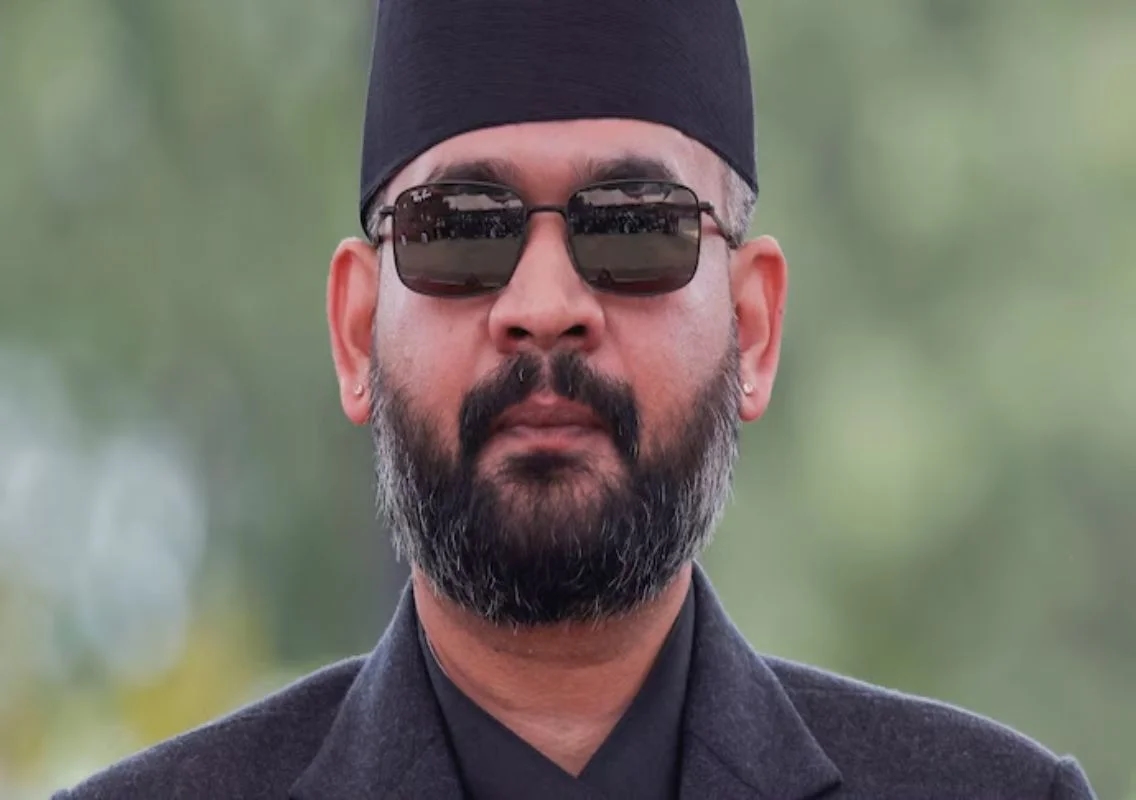


Kathmandu: Nepal’s youngest Prime Minister in decades, Balendra Shah, has wasted no time in signalling sweeping changes, unveiling a 100-point reform agenda within 48 hours of taking office.
The 35-year-old leader, who rose from rapper to political disruptor, is pushing aggressive institutional reforms—ranging from banning student politics to reshaping bureaucracy and recalibrating ties with India.
Politics out of campuses
One of the most controversial decisions of the new government is a blanket ban on student politics in educational institutions.
Political student unions will be removed and replaced with non-partisan bodies such as student councils within 90 days.
Shah has justified the move by pointing to long-standing issues of violence, disruption and political interference on campuses. According to him, depoliticising education is key to restoring academic discipline.
However, critics argue that student politics has historically served as a training ground for democratic leadership and that the ban could curb political participation among youth.
Depoliticising bureaucracy
The Shah government has also moved to curb political influence within state institutions.
Civil servants and teachers have been barred from holding party affiliations, while partisan trade unions within government bodies are set to be dismantled.
Supporters believe this could improve efficiency and reduce interference in governance, but detractors warn it may weaken workers’ rights and silence institutional dissent.
Education reforms signal deeper overhaul
Beyond campus politics, the government has proposed major changes in the education system:
- Removal of citizenship requirement for undergraduate admissions
- Strict enforcement of academic calendars
- Scrapping internal exams up to Grade 5
- Renaming institutions with foreign or colonial-sounding names
The moves aim to standardise systems, improve access and reshape institutional identity.
Arrests of political rivals raise eyebrows
The reform push has coincided with strong action against opposition figures.
Former Prime Minister K P Sharma Oli was arrested following a probe into last year’s Gen Z protests. Former minister Ramesh Lekhak has also been detained.
Both face charges linked to the suppression of protests that left at least 77 people dead.
In a separate case, lawmaker Rekha Sharma was arrested over allegations of abuse of a minor domestic worker.
While supporters see these actions as accountability measures, critics have raised concerns over potential political targeting.
Honouring Gen Z protesters
In a move aimed at delivering on campaign promises, the government has announced jobs for families of 27 students killed during the protests.
The Nepal Electricity Authority has begun recruitment to provide employment to one eligible family member per victim, with postings in their home districts.
India ties: cautious reset underway
Shah has also made early diplomatic overtures to India, engaging with Prime Minister Narendra Modi.
In his first official exchange, Shah expressed eagerness to work closely with New Delhi, signalling a possible reset in ties that have seen periodic tensions.
As Kathmandu’s former mayor, Shah had earlier taken a strong nationalist stance, often criticising external influence, including that of India.
New Delhi, however, appears to be taking a cautious approach, maintaining a wait-and-watch stance despite reiterating its ‘Neighbourhood First’ policy.
A disruptive start
Shah’s early decisions have drawn sharp reactions across the political spectrum.
From banning student politics to arresting rivals and initiating structural reforms, his approach reflects a leadership style that is decisive and confrontational.
Conclusion
Balendra Shah’s opening moves as Prime Minister mark one of the most disruptive starts in Nepal’s recent political history. While his reforms aim to overhaul institutions and deliver accountability, they also risk deepening political divisions. As Nepal enters a new phase, the success of this bold reset will depend on how effectively reform is balanced with democratic freedoms.