







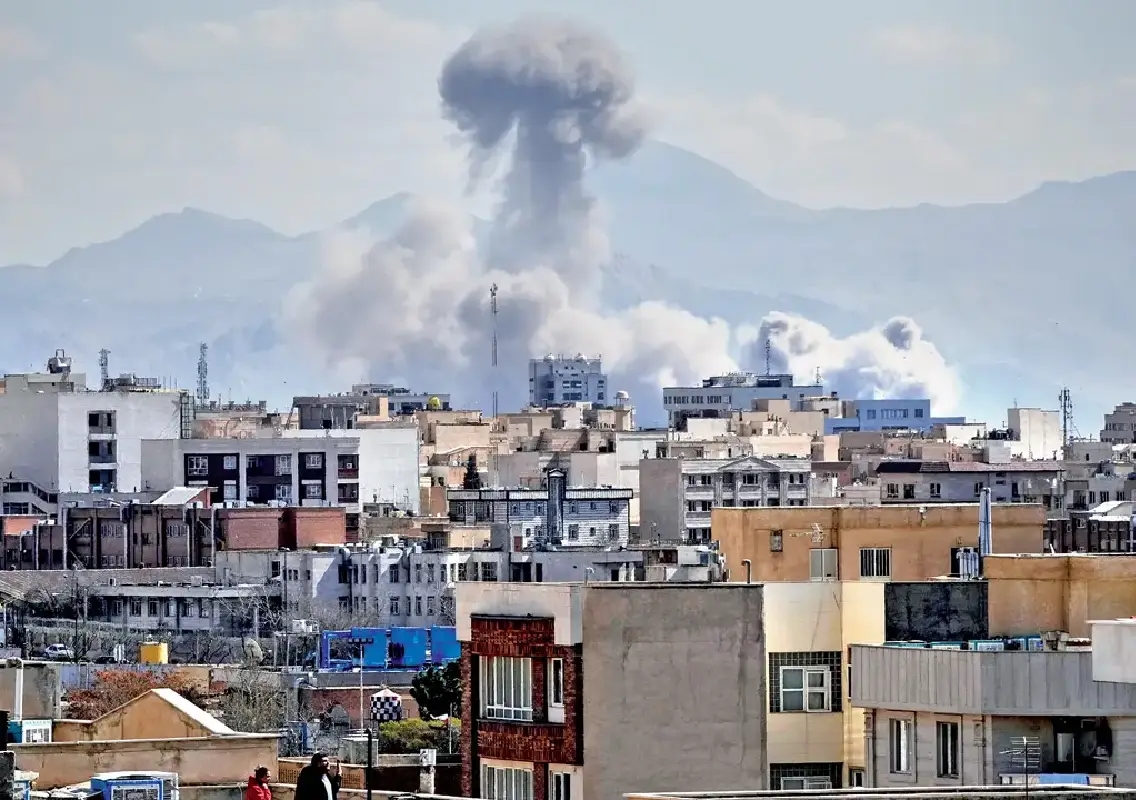


Seventy-year-old Yaar Banu Biwi of Sakchura Bagundi village in Basirhat, North 24-Parganas, has not slept for two days. Since tensions escalated between Iran and the US-Israel alliance, she has been desperately trying to reach her son in Tehran — but without success.
Her son, Amir Hossain Gazi, 34, has lived in the Iranian capital for the past eight years with his wife and three children. A religious teacher by profession, he had built a modest life there. However, communication has been cut off since Friday after reported internet shutdowns and repeated missile strikes across parts of Iran.
‘After that, silence’
“The last time I spoke to my son, he asked me to send money so that he, his wife and children could return home. After that, silence,” Yaar Banu said, her voice trembling.
Amir reportedly sought financial help for airfare, but the family says they cannot afford tickets for five people. Now, 14 family members in Basirhat gather around the television daily, anxiously following developments.
Missile and aerial strikes have intensified in recent days, raising fears of wider regional escalation. Internet disruptions in Iran have further complicated efforts by families abroad to contact their loved ones.
Plea for help
Yaar Banu has appealed for government intervention, urging Prime Minister Narendra Modi to assist Indians stranded in conflict-hit regions. “When our children are back home, many Indian mothers like me will pray for the Prime Minister,” she said tearfully.
Meanwhile, the Embassy of India in Tehran has issued an advisory urging Indian nationals in Iran to leave using available means, including commercial flights, as the security situation evolves.
For families like the Gazi household, uncertainty weighs heavily — with hope resting on restored communication and safe passage home.